Luxury looks on a shoestring budget are not a myth, especially in the classic-car world where depreciation and fashion cycles work in your favor. I have focused on older models that project wealth, comfort and heritage while trading at surprisingly low prices, so buyers can “fake it till they make it” without sacrificing driving enjoyment or long-term value.
1) Jaguar XJ6
The Jaguar XJ6 is the archetypal classic sedan that looks like old-world money but now sells for used-hatchback cash. Long, low and lined with chrome, it delivers the kind of driveway presence that modern crossovers cannot match, yet tidy examples often sit under the 10,000 dollar mark in many markets. Guides to cheap cars that look expensive repeatedly highlight how traditional luxury styling and supple suspension tuning make older Jaguars feel richer than their asking prices suggest.
For buyers, the stakes are clear, you can access leather-lined comfort, wood trim and a genuinely refined highway ride for less than some economy cars. I see the XJ6 as a gateway into the world of executive classics, provided you budget for maintenance and prioritize rust-free, well-documented cars over the very cheapest examples.
2) Mazda MX-5 Miata
The Mazda MX-5 Miata proves that a compact sports car under 5,000 dollars can look every bit as chic as far pricier European roadsters. Early NA and NB generations, especially with a clean soft top and original wheels, mimic high-end roadster elegance while staying firmly in budget territory. Lists of sports cars for under 5,000 dollars emphasize how the Miata blends style, speed and affordability, pairing light weight with a rev-happy engine.
For enthusiasts, that combination means you can show up at a cars-and-coffee meet in something that looks like a boutique weekend toy, yet costs less to buy and run than many family sedans. I find that the Miata’s timeless proportions and huge aftermarket support also help preserve resale value, which matters if you plan to trade up later.
3) Mercedes-Benz 450SL
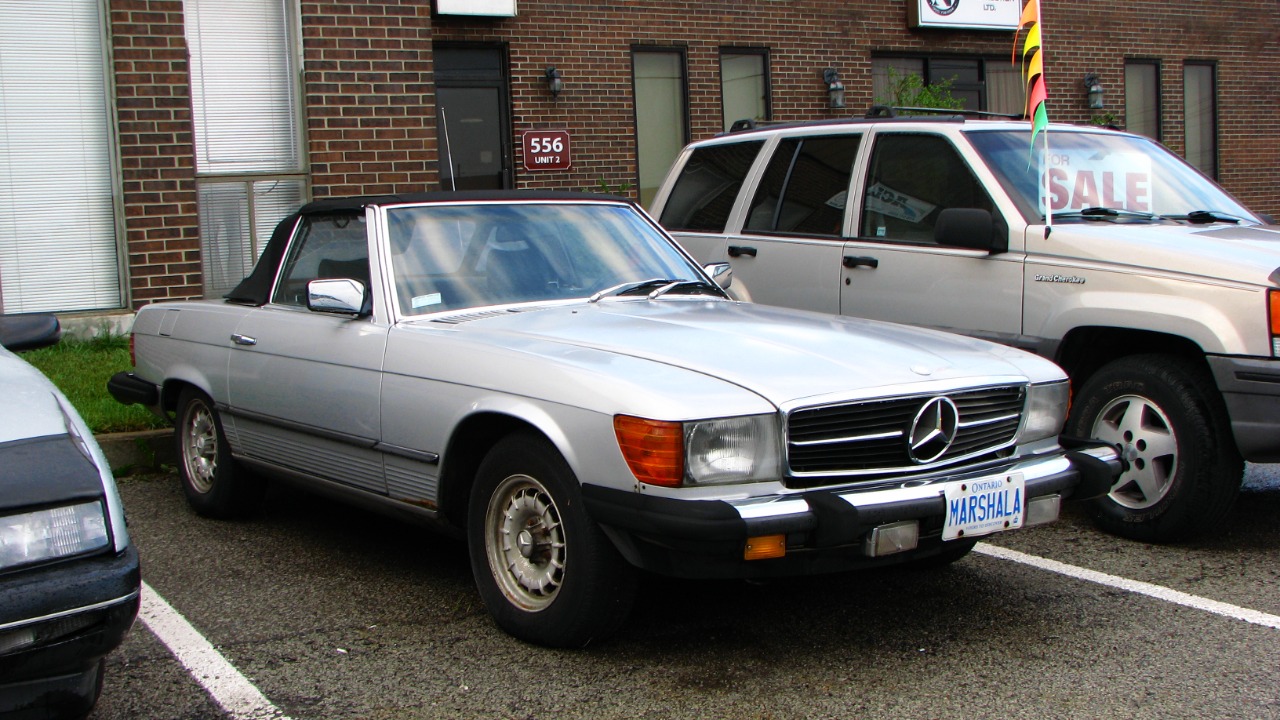
The Mercedes-Benz 450SL is a textbook “old money” classic, with its long hood, removable hardtop and generous chrome giving it the aura of a Riviera cruiser. Despite that image, driver-quality cars often change hands around 15,000 dollars, a fraction of what similarly glamorous convertibles command. Coverage of old money classic cars notes how the 450SL’s mix of heritage badge, solid build and understated styling delivers both style and substance at relatively low entry cost.
For buyers chasing a luxury look, the 450SL offers a powerful signal, it suggests generational wealth rather than sudden money, which is exactly the aesthetic many “stealth wealth” shoppers want. I would prioritize cars with documented maintenance on timing chains and fuel systems, since mechanical neglect can quickly erase the savings from that modest purchase price.
4) Ford Mustang (1960s)
A 1960s Ford Mustang might be a mass-market pony car, but visually it reads like a bespoke cruiser, especially in fastback or well-optioned coupe form. Market-watchers tracking the 30 hottest buys of 2026 have flagged early Mustangs as smart purchases that still look premium while remaining accessible in restorable condition. Project cars can often be found under 20,000 dollars, giving buyers a path into a blue-chip classic without supercar money.
For stakeholders in the classic market, that matters, the Mustang’s broad parts support and cultural cachet help stabilize values, making it less risky than more obscure coupes. I see the key decision as whether you want a driver-grade car now or are willing to invest time and cash into a restoration that can unlock both enjoyment and potential appreciation.
5) BMW 3 Series (E30)
The BMW 3 Series E30 has become shorthand for attainable European sophistication, with crisp lines and a purposeful stance that still look expensive today. Enthusiast guides to cheap cars with expensive looks often highlight how compact sedans and coupes can project Luxury without the price tag, and the E30 fits that brief perfectly. Many four-cylinder and higher-mileage six-cylinder examples remain available below 8,000 dollars, especially outside the most feverish collector circles.
For drivers, the rear-wheel-drive layout and communicative steering deliver the kind of engagement that newer appliances lack, which is why the E30 still anchors discussions of Best Affordable Sports Cars and Best Affordable Luxury Vehicles in broader More Car Rankings. I would focus on rust, suspension wear and cooling systems, since a well-sorted chassis is what makes this car feel genuinely premium on the road.
6) Chevrolet Camaro (1970s)
The 1970s Chevrolet Camaro offers classic American muscle aesthetics, with long doors, a low roofline and aggressive haunches that look far pricier than the car’s current values. In discussions of cheap cars make you look rich in 2025, muscle cars often appear as examples of premium design and luxury features that exceed expectations once depreciation has done its work. Driver-grade Camaros from this era can still be found near the 5,000 dollar mark, especially in base trims or needing cosmetic attention.
For budget-conscious enthusiasts, that price point opens the door to V8 soundtracks and curbside presence that rival far more expensive coupes. I see the main trade-off in running costs, fuel and insurance can be higher than for imports, so the smart move is to buy the best-structured shell you can and upgrade mechanicals gradually.
7) Rolls-Royce Silver Shadow (early models)
Early Rolls-Royce Silver Shadow sedans might be the ultimate example of a car that screams wealth yet trades at surprisingly modest prices. Analyses of style and substance in old money classics point out that the Silver Shadow’s stately silhouette and lavish interiors can be accessed for 25,000 dollars or less, especially for higher-mileage or less-than-perfect examples. That figure is remarkable when you consider the car’s original positioning as a hand-built luxury limousine.
For image-conscious buyers, the stakes are high, few badges confer as much perceived status as Rolls-Royce, yet maintenance complexity can turn a cheap purchase into an expensive ownership experience. I would treat pre-purchase inspections as non-negotiable, particularly around hydraulic systems and corrosion, to keep the dream of affordable opulence from becoming a financial sinkhole.
8) Porsche 944
The Porsche 944 delivers classic sports-car proportions, with its long hood, flared arches and tidy hatchback tail giving it a distinctly upscale look. Market previews of the hottest buys of 2026 have singled out transaxle Porsches like the 944 as smart acquisitions that blend luxury-brand cachet with entry-level pricing around 12,000 dollars. That puts a genuine Porsche badge within reach of buyers who might otherwise be shopping mainstream coupes.
For enthusiasts, the front-engine, rear-transaxle layout offers balanced handling and everyday usability, which broadens the car’s appeal beyond weekend toys. I would pay close attention to timing belts, clutch condition and evidence of regular servicing, since a well-maintained 944 can feel far more expensive from behind the wheel than its purchase price suggests.
9) Volvo 240 Series
The Volvo 240 Series, especially in wagon form, turns boxy design into a kind of minimalist elegance that has aged into cult chic. Commentators on cheap cars that look expensive and are great to drive often note that understated styling and solid road manners can project quiet wealth more effectively than flashy badges. Well-kept 240s still trade under 6,000 dollars, yet their reputation for durability and safety gives them a gravitas that newer budget cars struggle to match.
For families and commuters, that combination of practicality and perceived quality means you can arrive at a gallery opening or a school run in something that feels intentionally retro rather than simply old. I would look for later-model cars with fuel injection and minimal rust, since those examples tend to deliver the most refined driving experience.
10) Toyota Celica (1980s)
The 1980s Toyota Celica wraps sharp-edged styling and pop-up headlights around a reliable, economical drivetrain, creating a coupe that looks more exotic than its price suggests. Lists of cheap sports cars blending style and speed consistently include older Japanese coupes under 5,000 dollars, highlighting how they rival pricier imports for visual drama. Clean Celicas from this era often sit in that sub-5,000 dollar bracket, especially in non-turbo trims.
For younger enthusiasts or first-time classic buyers, the Celica offers a low-risk way to enter the hobby with a car that still turns heads at local meets. I would prioritize rust-free bodies and unmodified examples, since originality tends to support values and keeps the ownership experience closer to that of a period-correct sports coupe.
More From TheDailyOverview
- Dave Ramsey says these two simple questions show whether you’re rich or poor
- Retired But Want To Work? Try These 18 Jobs for Seniors That Pay Weekly
- IRS raises capital gains thresholds for 2026 and what’s new
- 12 ways to make $5,000 fast that actually work

Cole Whitaker focuses on the fundamentals of money management, helping readers make smarter decisions around income, spending, saving, and long-term financial stability. His writing emphasizes clarity, discipline, and practical systems that work in real life. At The Daily Overview, Cole breaks down personal finance topics into straightforward guidance readers can apply immediately.

