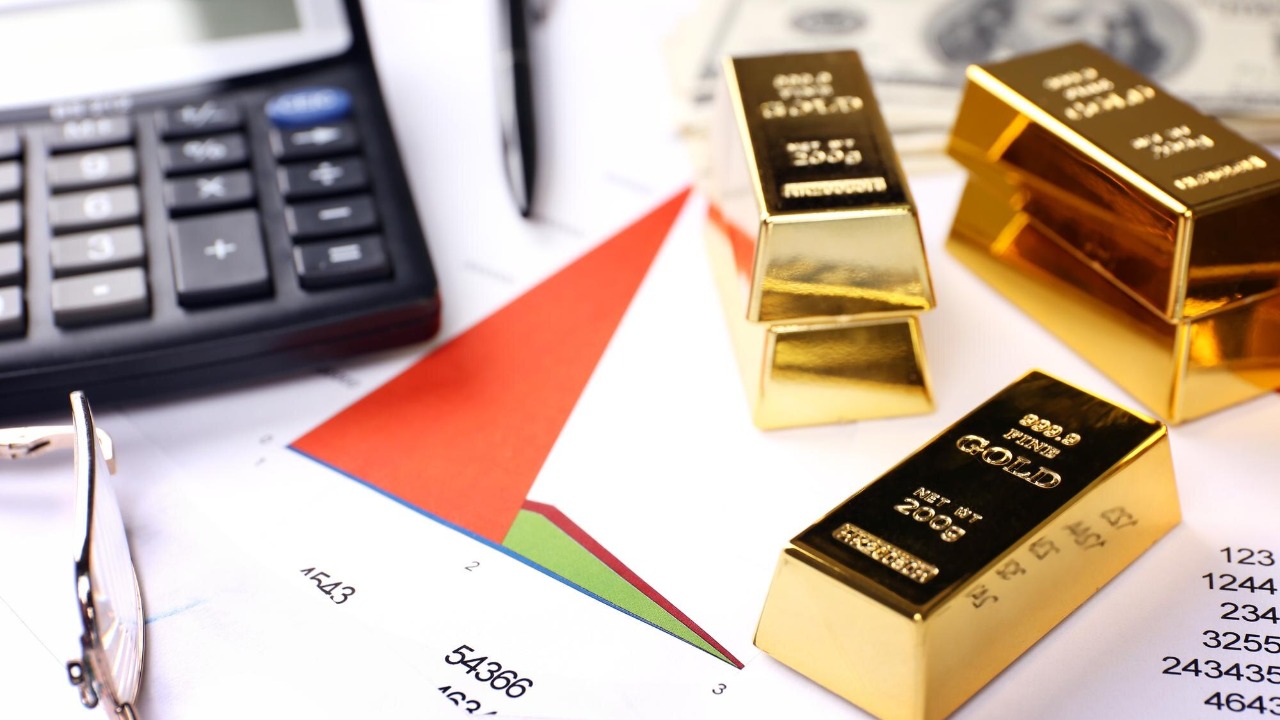
As gold prices inch closer to historic highs, investors and market analysts are keenly observing the market dynamics. Understanding the factors driving this surge is crucial for making informed decisions. Here are three urgent aspects to consider in the current gold market scenario.
Market Dynamics Driving Gold Prices

Global economic uncertainty has long been a driver of gold prices. In times of geopolitical tension and economic instability, investors typically flock to gold as a safe-haven asset. Events such as trade wars, military conflicts, and political upheaval lead to increased demand for gold, which often results in price hikes. For instance, the ongoing tensions in the Middle East have significantly impacted investor sentiments, pushing them towards the relative safety of gold.
Inflation and currency fluctuations are also pivotal in shaping gold’s valuation. Rising inflation rates erode the purchasing power of fiat currencies, making gold a more attractive store of value. Similarly, currency devaluation in key economies can enhance gold’s appeal as a hedge against financial instability. As inflationary pressures mount globally, the attraction of gold as a protective asset grows stronger.
Interest rates and monetary policies play a crucial role in determining gold’s market dynamics. When central banks decide to lower interest rates, the opportunity cost of holding non-yielding assets like gold diminishes, making it more appealing to investors. Conversely, rising interest rates can deter gold investments. However, in today’s economic climate, where many central banks are adopting dovish stances, gold continues to thrive.
Investment Strategies Amidst Rising Gold Prices
Diversification and risk management become paramount as gold prices rise. Investors are encouraged to diversify their portfolios to mitigate risks associated with the volatile nature of gold. Allocating assets across different sectors and geographical regions helps cushion against unforeseen market shifts. A balanced approach can safeguard against potential downturns in the gold market.
Timing the market is often a challenge for even seasoned investors, particularly in the gold sector, where prices can be unpredictable. Strategies such as dollar-cost averaging can help investors navigate these fluctuations by spreading out investments over time. This approach reduces the impact of market volatility and allows for a more measured entry into the gold market, especially when prices are near historic highs.
The debate between long-term versus short-term investments in gold is ongoing. While short-term investments can yield quick profits from price spikes, they also carry higher risks. Long-term holdings, however, offer stability and the potential for sustained growth. Investors must weigh the pros and cons of each strategy and consider their financial goals before deciding on their investment approach.
Potential Economic Implications
Rising gold prices have significant implications for emerging markets, particularly those reliant on gold imports and exports. Countries that are major gold producers may benefit from increased revenues, whereas those dependent on imports might face economic strain. The balance of trade in these regions can shift dramatically, influencing overall economic stability and growth prospects.
Consumer behavior and spending are also affected by surging gold prices. As the cost of gold rises, consumer confidence might wane, leading to reduced spending on non-essential goods. Additionally, industries dependent on gold, such as jewelry and electronics manufacturing, may face higher production costs. This could lead to increased prices for end consumers, altering spending patterns.
High gold prices can also impact industrial and technological demand. Industries that rely heavily on gold for production may need to explore alternative materials or pass on increased costs to consumers. This shift could spur innovation in material science, as companies seek cost-effective substitutes to maintain profitability.
Expert Predictions and Market Projections

Expert predictions on gold’s future trajectory vary, with some analysts forecasting continued price increases in the short to medium term. For example, some experts speculate that gold prices could reach as high as $3,500 per ounce by 2025, driven by persistent economic uncertainties. However, these forecasts remain subject to global economic conditions and geopolitical developments.
Gold’s role as a hedge against recession is a topic of ongoing debate among market analysts. With many economies teetering on the brink of recession, gold is often viewed as a protective asset. Its historical performance during economic downturns underscores its value as a stabilizing force in investment portfolios.
Comparing gold’s performance with other commodities, such as oil, provides valuable insights into its market standing. While both commodities are influenced by global events, gold’s reputation as a safe-haven asset sets it apart. Understanding these dynamics helps investors make informed decisions in the broader commodity market.
Historical Context and Future Outlook
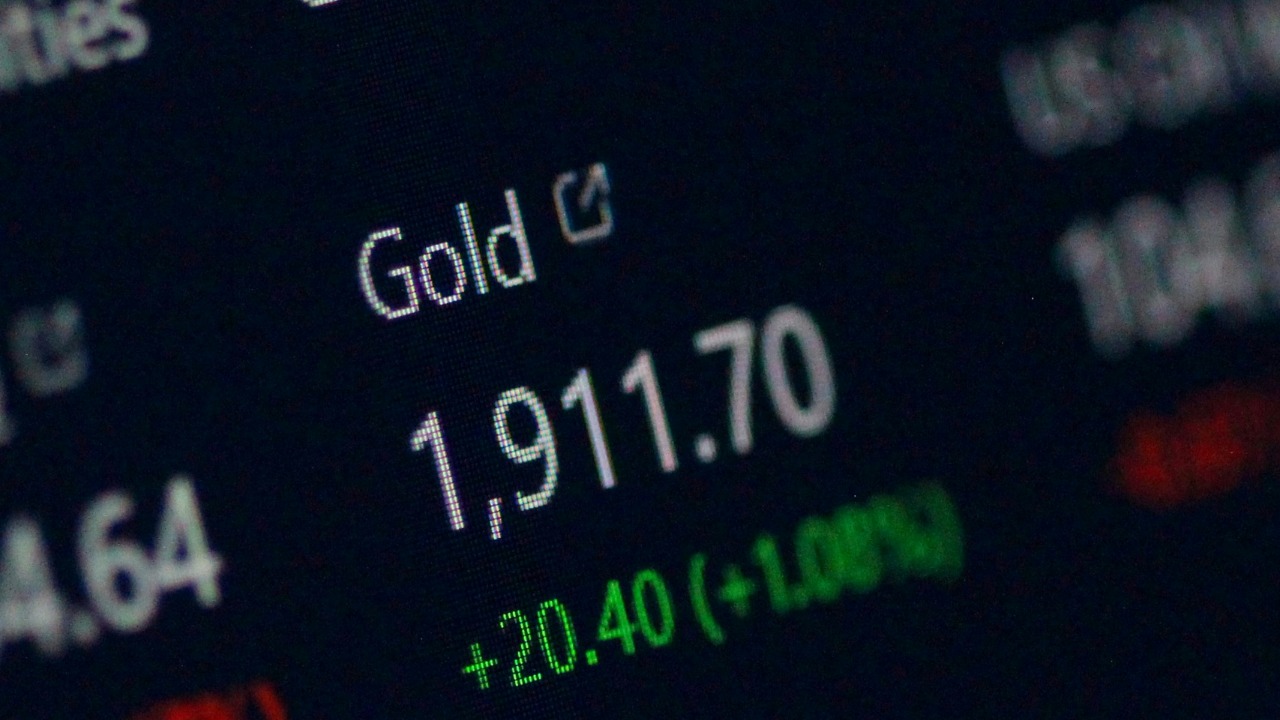
Reflecting on past gold price surges offers valuable lessons for today’s investors. Historical instances, such as the gold rushes of the 19th century or the price spikes during the 2008 financial crisis, highlight the asset’s enduring appeal during uncertain times. These events reinforce the importance of understanding market conditions and the factors driving gold’s valuation.
Technological advancements in gold mining could significantly influence future supply and prices. Innovations in mining techniques and renewable energy use could improve efficiency and reduce environmental impacts, potentially increasing the available gold supply. These developments might moderate price increases, offering a more stable outlook for this precious metal.
The future of gold in an evolving financial landscape remains a topic of speculation. As digital currencies and alternative investments gain prominence, gold’s traditional role could shift. However, its historical significance and intrinsic value suggest that gold will continue to play a crucial role in investment portfolios worldwide.

Grant Mercer covers market dynamics, business trends, and the economic forces driving growth across industries. His analysis connects macro movements with real-world implications for investors, entrepreneurs, and professionals. Through his work at The Daily Overview, Grant helps readers understand how markets function and where opportunities may emerge.

