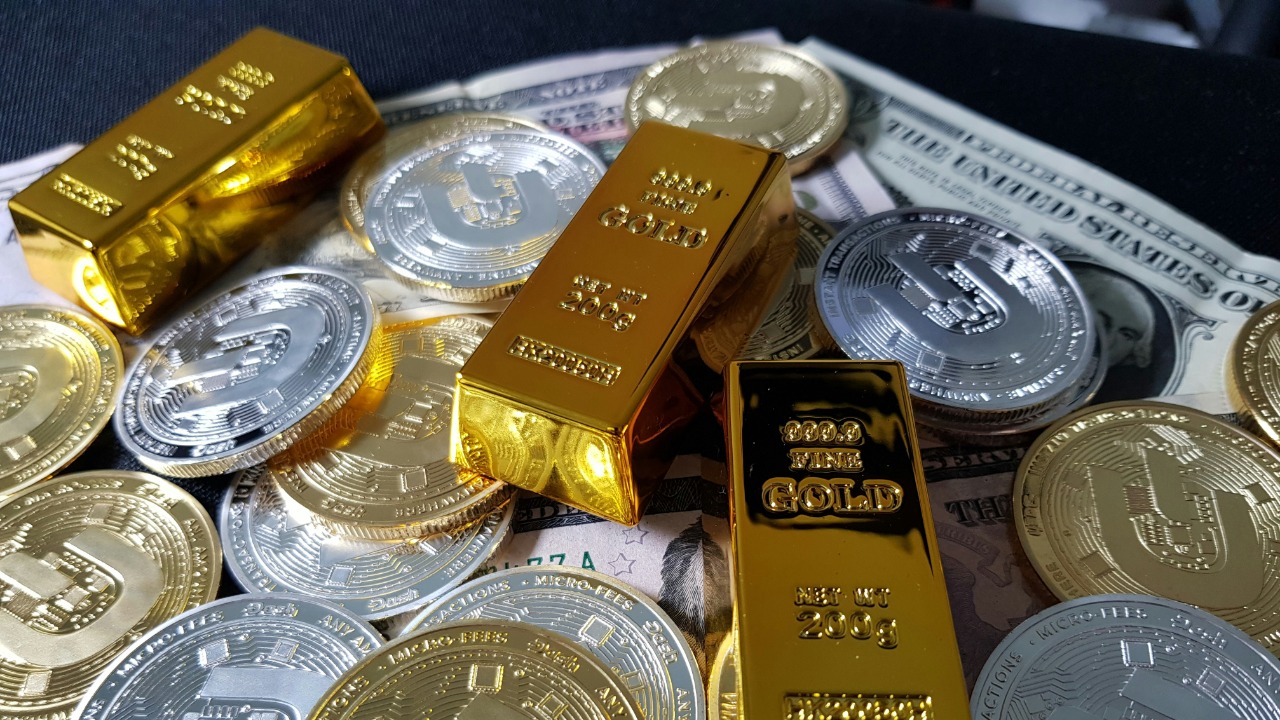
In 2025, the debate between investing in gold versus silver has intensified, with many investors considering Gold ETFs and Silver ETFs to navigate volatile markets. As the year progresses, physical gold and gold ETFs are being scrutinized for their accessibility and cost-effectiveness, while silver is gaining traction due to its industrial demand. This shift is prompting investors to reevaluate their strategies, with some guides suggesting silver may offer advantages over gold through the year.
Historical Performance Comparison

Gold has long been revered as a stable safe-haven asset, offering security during economic downturns. Its historical performance underscores its role as a hedge against inflation and currency devaluation. In contrast, silver’s higher volatility is often driven by its industrial applications, which can lead to significant price swings. Notably, silver has outperformed gold during certain economic cycles, particularly when industrial demand surges. According to Moneywise, silver’s dual role in both industrial and investment sectors positions it uniquely for potential gains.
Examining price trends over past decades reveals that inflationary periods often favor silver bars over gold bars for potential gains. During such times, silver’s affordability and industrial demand can lead to higher returns compared to gold. A report from CBS News highlights how inflation can enhance silver’s appeal as an investment. Projections for 2025 suggest that silver’s involvement in both jewelry and technology sectors may enable it to surpass gold’s returns, as detailed by Gainesville Coins.
Investment Forms: Physical vs. ETFs
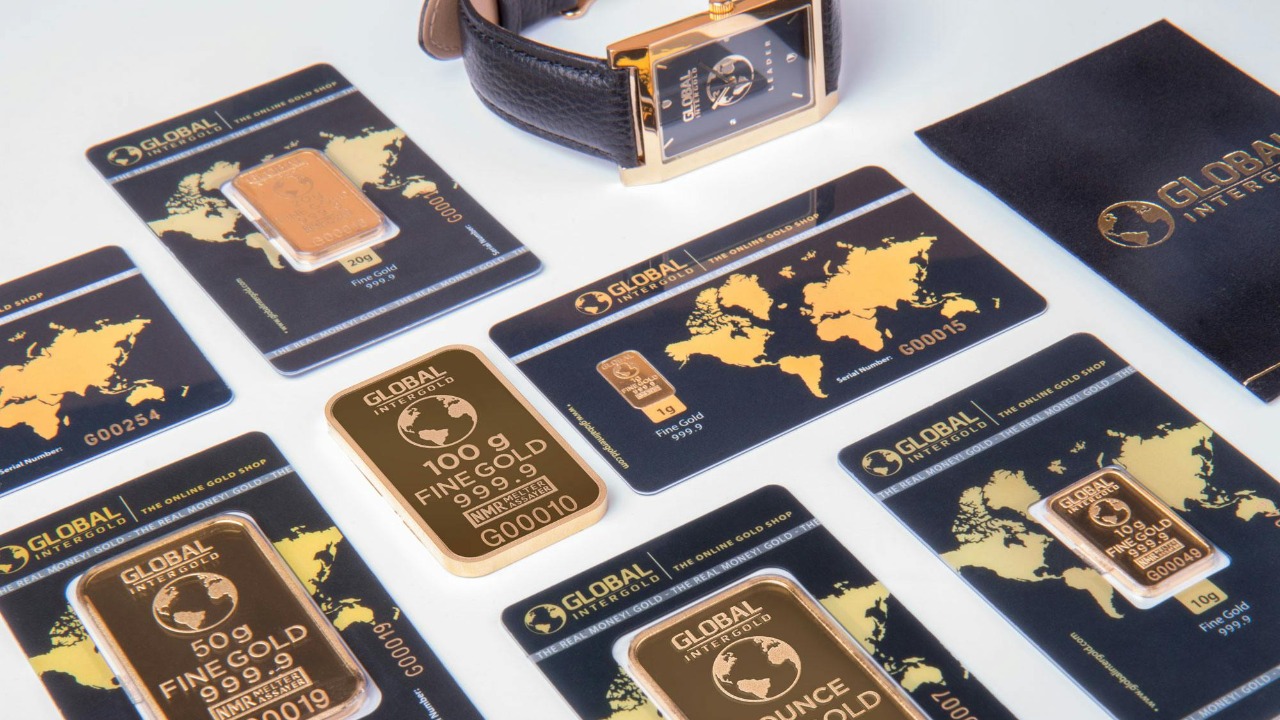
When considering investment forms, physical gold offers the advantage of tangible ownership, though it comes with storage challenges and higher premiums. In contrast, gold ETFs provide ease of trading and lower costs, making them an attractive option for many investors in 2025. According to Financial Express, gold ETFs are increasingly preferred due to their accessibility and cost-effectiveness.
For silver, physical bars are often seen as more affordable during inflationary periods, offering a tangible asset that can be held directly. However, silver ETFs provide liquidity benefits, allowing for easier portfolio diversification. The CBS News report emphasizes the affordability of silver bars, while ETFs offer a more flexible investment vehicle. The structure of ETFs for both metals involves considerations of expense ratios and tax implications, with silver ETFs potentially being more accessible, as noted by Groww.
Market Drivers and Risks
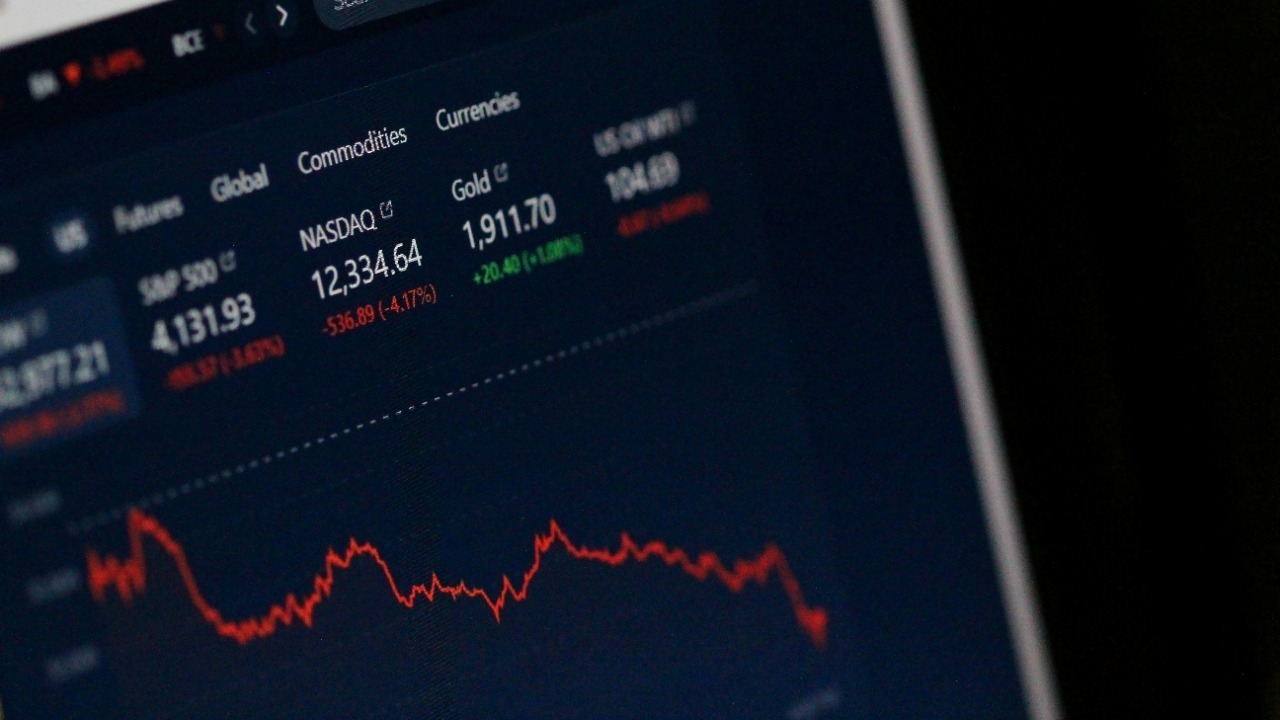
Gold’s enduring appeal as an inflation hedge is often tied to geopolitical events and economic uncertainty. Its stability makes it a favored choice during turbulent times. On the other hand, silver’s price is more sensitive to industrial demand fluctuations, which can lead to greater volatility. Moneywise highlights how these dynamics affect investment decisions, with silver’s industrial uses playing a significant role in its market performance.
In 2025, factors such as mining supply constraints are expected to boost silver prices, particularly in tech-driven economies. This trend is supported by Gainesville Coins, which notes the impact of supply issues on silver’s market value. However, investors must also consider risks like storage costs for physical forms and market liquidity differences between gold and silver ETFs. These factors can influence the overall investment strategy, as detailed by Groww.
Investor Suitability and Strategies

For conservative investors, gold’s stability remains a cornerstone of their 2025 portfolios. Its historical performance as a safe-haven asset makes it an attractive option for those seeking to preserve wealth. Meanwhile, aggressive investors may leverage silver’s growth potential, capitalizing on its industrial demand and price volatility. Financial Express outlines strategies that cater to different risk appetites, emphasizing the importance of aligning investments with individual goals.
Allocation recommendations often suggest that silver bars may offer better entry points during inflationary periods, providing an opportunity for higher returns. The CBS News report underscores the potential benefits of silver in such economic conditions. Ultimately, the choice between gold and silver investments depends on various factors, including market conditions, investor preferences, and long-term financial objectives.

Cole Whitaker focuses on the fundamentals of money management, helping readers make smarter decisions around income, spending, saving, and long-term financial stability. His writing emphasizes clarity, discipline, and practical systems that work in real life. At The Daily Overview, Cole breaks down personal finance topics into straightforward guidance readers can apply immediately.
