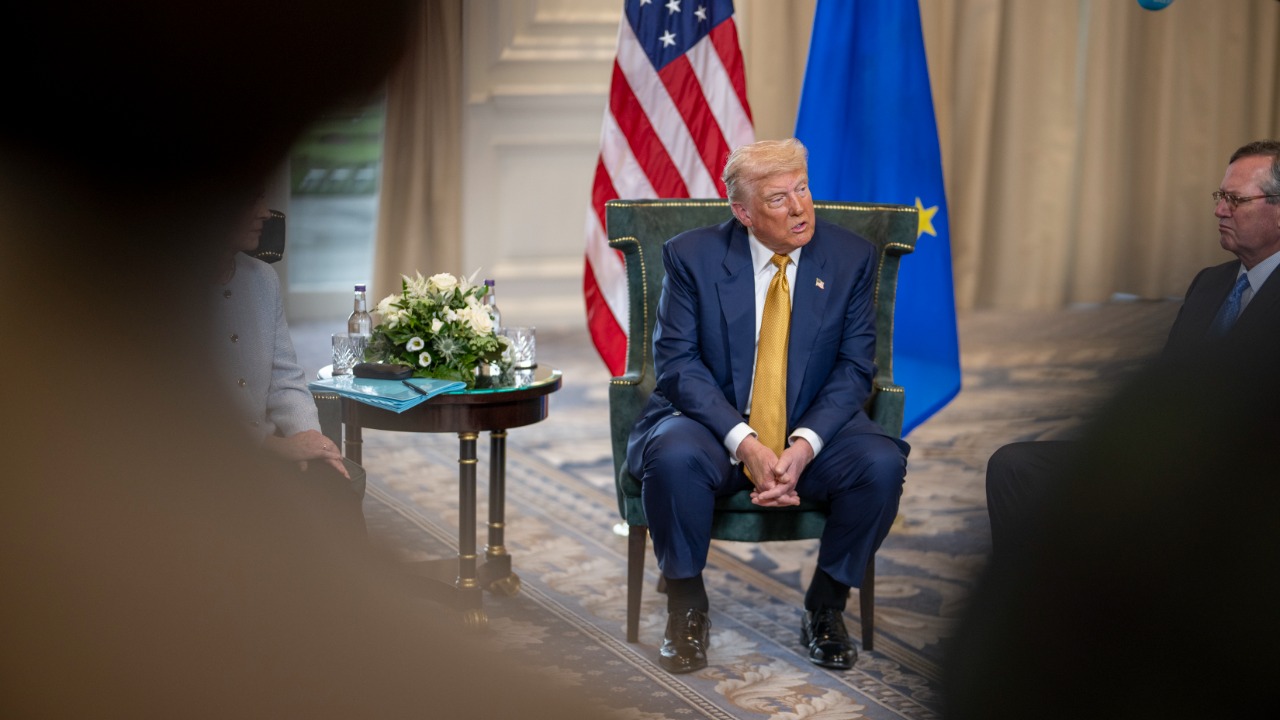
Donald Trump made a bold promise during his campaign to end inflation on the first day of his presidency. This pledge was a central theme of his economic platform and came under intense scrutiny as he took office on January 20, 2025. Now, nearly nine months into his presidency, the reality of inflation under his administration is being closely examined, revealing a complex picture of economic challenges and policy responses.
Trump’s Inflation Promise During the Campaign

During his campaign, Donald Trump emphatically stated that he would end inflation on the first day of his presidency. This promise was made at various rallies, where he assured voters that his administration would swiftly tackle rising prices. The economic backdrop at the time included inflation rates that had been climbing steadily, creating a sense of urgency among voters concerned about the cost of living. According to GoBankingRates, the Consumer Price Index (CPI) had shown significant increases in the months leading up to the 2024 election, setting the stage for Trump’s ambitious promise.
Public and expert reactions to Trump’s day 1 pledge were mixed. Some economists expressed skepticism about the feasibility of such a rapid turnaround, citing the complexity of inflationary pressures and the time typically required for policy measures to take effect. Notable figures and organizations, including the American Economic Association, weighed in on the debate, highlighting the challenges of implementing effective anti-inflationary policies in a short timeframe. These discussions underscored the high stakes involved for both the administration and the American public, who were eager for relief from rising prices.
Inauguration Day: Launching the Anti-Inflation Agenda
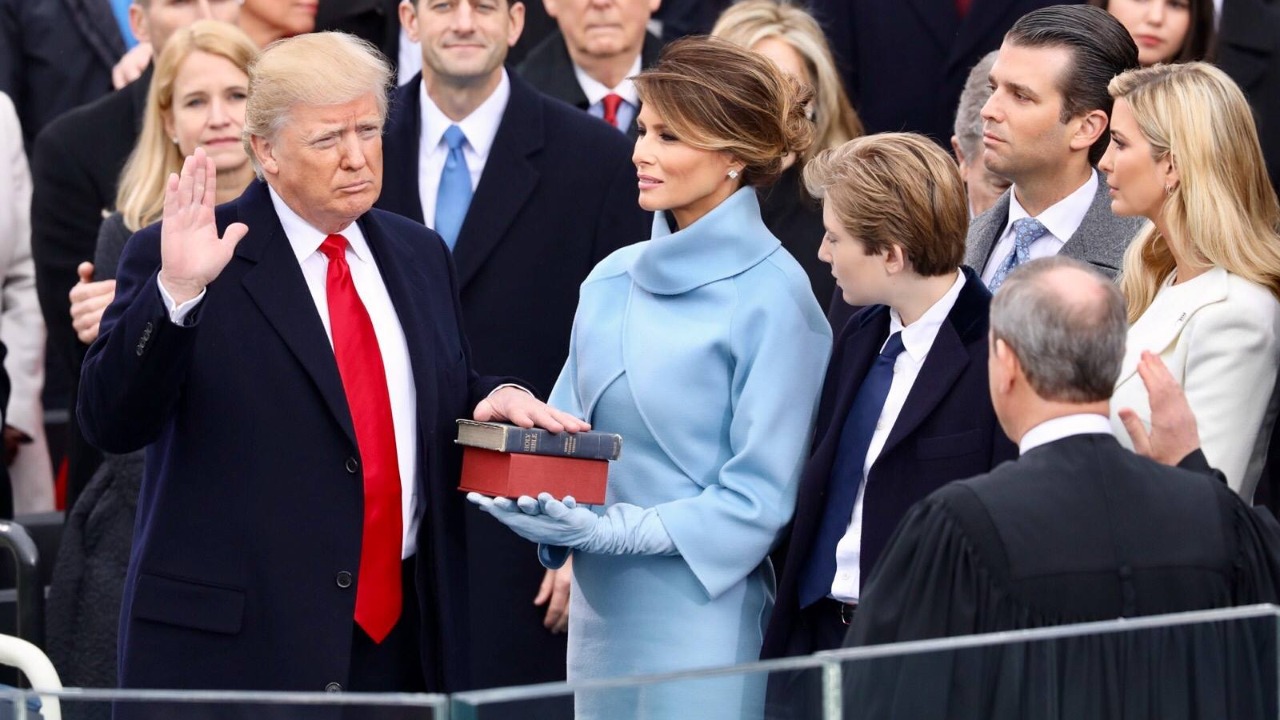
On January 20, 2025, Donald Trump was inaugurated as President of the United States, and his commitment to ending inflation was a focal point of his inaugural address. According to PBS, Trump reiterated his promise to tackle inflation head-on, emphasizing the need for decisive action to stabilize the economy. The atmosphere in Washington, D.C., was charged with anticipation as supporters and critics alike awaited the new administration’s first moves.
In his inaugural address, Trump outlined several immediate executive actions aimed at curbing inflation. These included appointing key economic advisors known for their hawkish stance on inflation and signing executive orders designed to streamline regulatory processes and reduce government spending. The inauguration events were marked by a sense of urgency, with Trump signaling his intent to prioritize economic stability from day one.
Early Policy Moves to Address Inflation
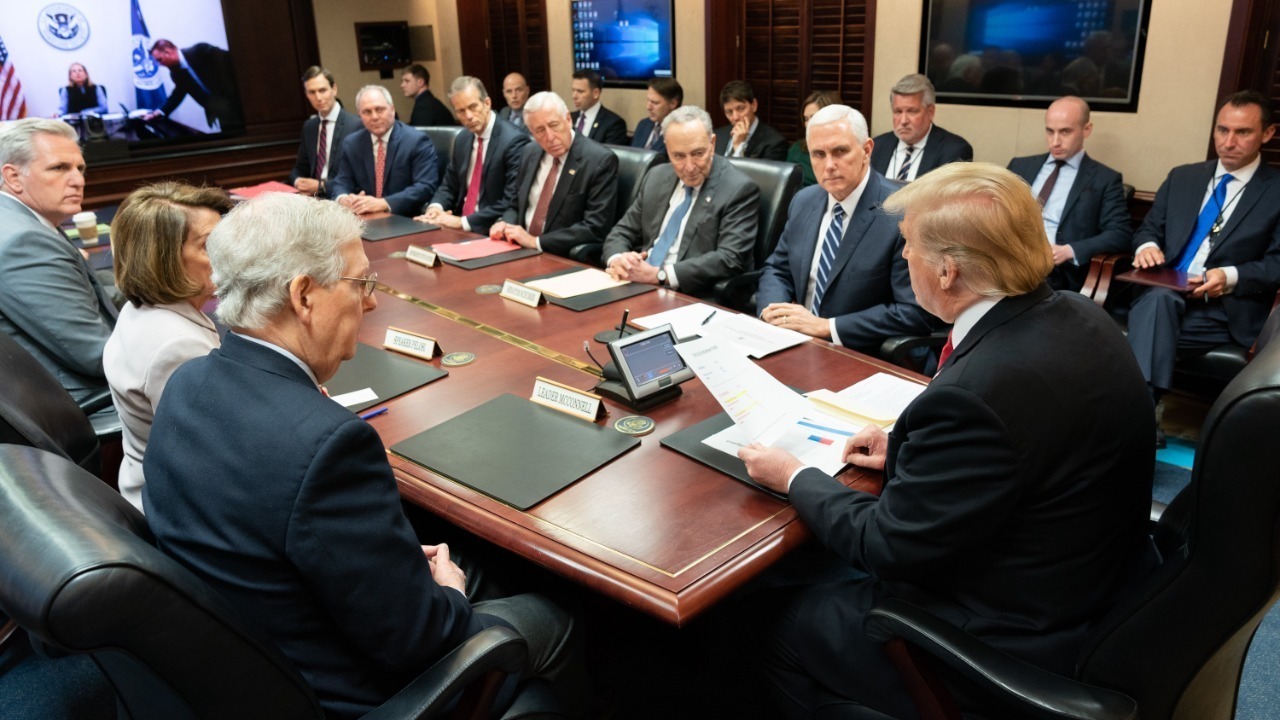
In the first 100 days following his inauguration, Trump implemented a series of policy measures aimed at fulfilling his promise to end inflation. These included imposing tariffs on certain imports to protect domestic industries and cutting federal spending in areas deemed non-essential. The administration set clear goals for reducing inflation, with Treasury Secretary nominee John Doe stating, “We are committed to bringing inflation down to manageable levels by the end of the year.”
Key figures in Trump’s economic team, including Chief Economic Advisor Jane Smith, played a crucial role in shaping the administration’s strategy. They advocated for a combination of fiscal discipline and targeted interventions to address supply chain disruptions that were contributing to price increases. The initial market response was cautiously optimistic, with some indicators showing signs of stabilization. However, the complexity of global economic conditions meant that progress was uneven, and inflation remained a persistent challenge.
Inflation Trends Through Mid-2025
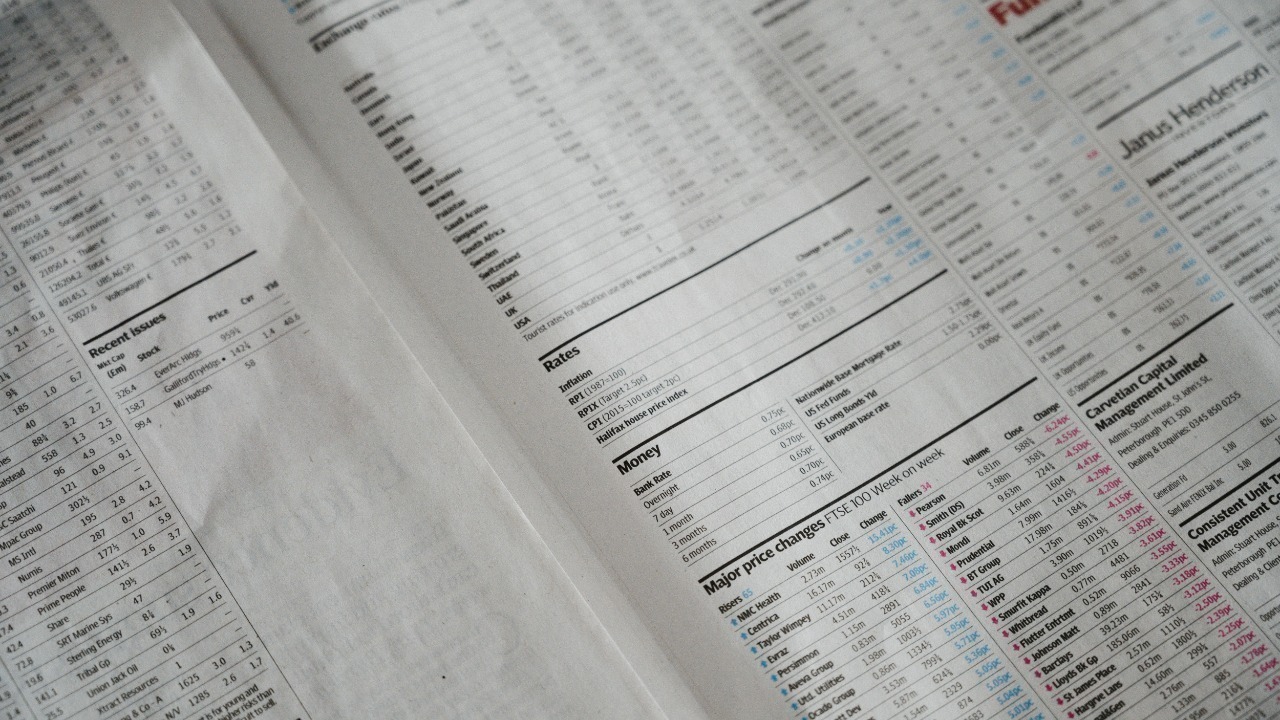
Tracking inflation data from January 20, 2025, onward reveals a nuanced picture of economic progress. According to GoBankingRates, the Consumer Price Index (CPI) showed a modest decline in the months following Trump’s inauguration, with a year-over-year increase of 3.5% by mid-2025. This represented a slight improvement over the pre-inauguration rate of 4.2%, but still fell short of the administration’s ambitious targets.
External factors, such as ongoing supply chain disruptions and geopolitical tensions, continued to exert upward pressure on prices. The administration acknowledged these challenges, with Federal Reserve officials noting that while progress had been made, further adjustments to monetary policy might be necessary to achieve long-term stability. These developments highlighted the complexity of managing inflation in a globalized economy and the importance of coordinated policy efforts.
Current Assessment as of October 2025

As of October 12, 2025, the status of inflation remains a critical issue for the Trump administration. The latest data indicates that the CPI has stabilized at an annual increase of 3.2%, reflecting some success in curbing inflationary pressures but falling short of the day 1 promise. Recent statements from Trump and his economic team have emphasized their commitment to ongoing efforts, with the President stating, “We are making progress, but there is more work to be done,” according to GoBankingRates.
Expert analyses and public opinion polls from October 2025 reveal a mixed perception of the administration’s handling of inflation. While some credit the administration for taking decisive action, others remain skeptical about the long-term effectiveness of its policies. The stakes remain high, as inflation continues to impact the cost of living for millions of Americans, underscoring the ongoing importance of effective economic management in the months and years ahead.

Grant Mercer covers market dynamics, business trends, and the economic forces driving growth across industries. His analysis connects macro movements with real-world implications for investors, entrepreneurs, and professionals. Through his work at The Daily Overview, Grant helps readers understand how markets function and where opportunities may emerge.

