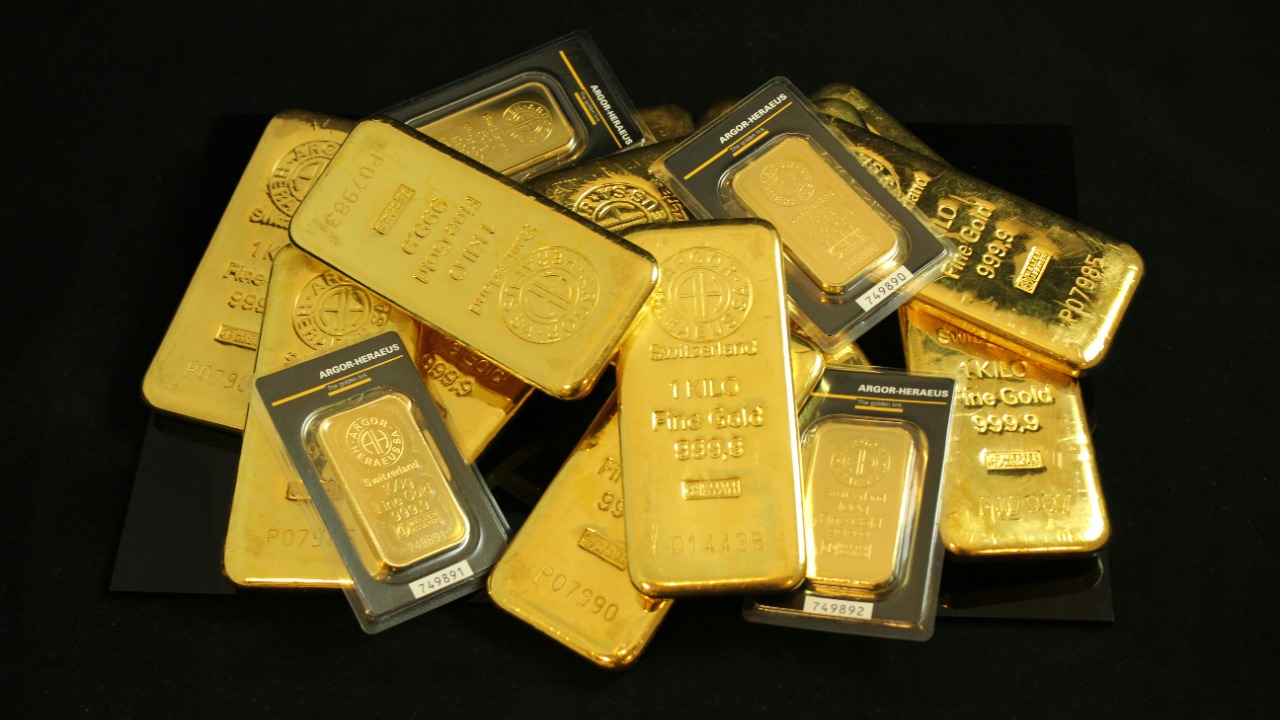
Gold prices have recently experienced a dramatic shift, soaring to unprecedented heights before plummeting rapidly. This volatility has left many investors questioning whether they should adjust their retirement strategies. As of October 24, 2025, the fluctuating value of gold highlights its dual nature as both a safe-haven asset and a speculative commodity. With economic uncertainties continuing to influence the market, retirees must carefully consider how to balance risk and preservation in their portfolios.
Gold’s Record High Surge
Gold’s ascent to record highs was driven by a combination of inflation fears and geopolitical tensions. Investors, seeking to hedge against economic instability, increased their allocations to gold, often through gold IRAs, to diversify their portfolios. This surge was further fueled by significant market triggers, such as central bank purchases, which bolstered demand and pushed prices upward. The allure of gold as a protective asset during uncertain times was evident as it reached these peaks, drawing in both seasoned investors and newcomers looking to safeguard their wealth.
However, the rapid rise in gold prices was not solely due to investor sentiment. Specific market dynamics, including aggressive buying by central banks, played a crucial role in propelling gold to its record levels. These institutions, wary of global economic conditions, sought to bolster their reserves with gold, thereby intensifying the upward pressure on prices. This strategic move by central banks underscored the metal’s enduring appeal as a reliable store of value amidst fluctuating economic landscapes.
Factors Driving the Rapid Plunge
The subsequent sharp decline in gold prices can be attributed to several economic indicators, most notably rising interest rates. As interest rates increased, the opportunity cost of holding non-yielding assets like gold became more apparent, prompting a shift in investor sentiment. This pivot was further exacerbated by a growing confidence in equities, as global conditions began to stabilize, leading investors to reallocate their assets away from gold.
Technical market factors also played a significant role in accelerating gold’s decline. Profit-taking by investors who had capitalized on the earlier highs contributed to the downward momentum. As prices began to fall, the selling pressure intensified, creating a feedback loop that further drove prices down. This rapid plunge serves as a stark reminder of the inherent volatility in commodity markets and the need for investors to remain vigilant and adaptable in their strategies.
Impact on Retirement Portfolios
The volatility in gold prices has significant implications for retirement portfolios, particularly for those heavily invested in the metal. The sharp fluctuations can erode long-term savings, prompting a reevaluation of retirement strategies. For investors overexposed to gold, this rollercoaster ride underscores the importance of diversification to mitigate risk. While gold can offer protection during turbulent times, its unpredictable nature necessitates a balanced approach to asset allocation.
Recent trends highlight the dual nature of gold as both a hedge and a risk. During periods of economic uncertainty, gold’s value as a safe-haven asset is undeniable. However, its susceptibility to rapid price swings poses a challenge for retirees seeking stability. Age-specific considerations also come into play, with those nearing retirement potentially opting for more conservative shifts in their portfolios to preserve capital amid the current market conditions.
Strategic Adjustments for Investors
In light of gold’s recent volatility, investors may need to consider strategic adjustments to their portfolios. Rebalancing techniques, such as reducing gold holdings post-plunge while maintaining a hedge, can help manage risk. Exploring alternative assets to pair with gold, such as equities or bonds, can provide a more stable foundation for retirement savings. Ongoing market analysis suggests that a diversified approach can better withstand the ups and downs of commodity markets.
Monitoring future signals, such as Federal Reserve policies, is crucial for timing portfolio changes effectively. As economic conditions evolve, staying informed about potential shifts in interest rates or monetary policy can provide valuable insights for retirement planning. By remaining proactive and adaptable, investors can navigate the complexities of the market and make informed decisions that align with their long-term financial goals.
Ultimately, the recent fluctuations in gold prices serve as a reminder of the importance of a well-rounded investment strategy. By balancing risk and reward, retirees can better position themselves to weather the uncertainties of the market and secure their financial future.
More From TheDailyOverview
- Dave Ramsey warns to stop 401(k) contributions
- 11 night jobs you can do from home (not exciting but steady)
- Small U.S. cities ready to boom next
- 19 things boomers should never sell no matter what

Grant Mercer covers market dynamics, business trends, and the economic forces driving growth across industries. His analysis connects macro movements with real-world implications for investors, entrepreneurs, and professionals. Through his work at The Daily Overview, Grant helps readers understand how markets function and where opportunities may emerge.