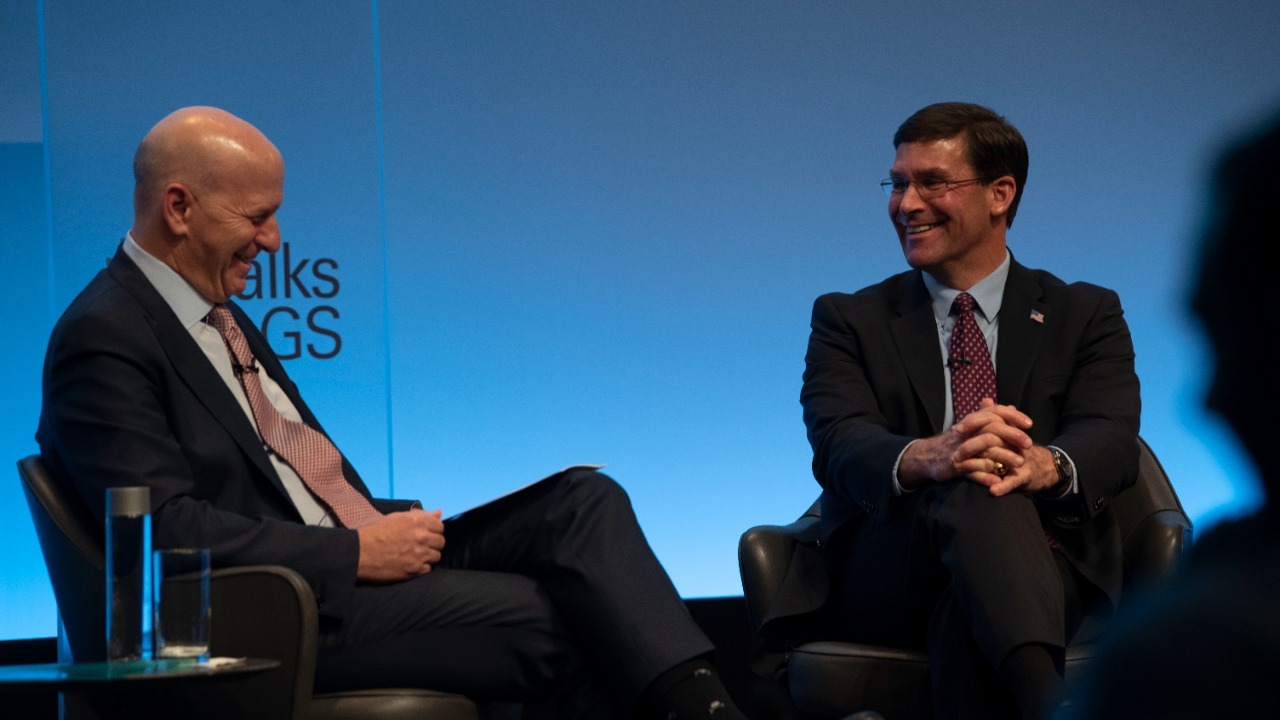
Goldman Sachs has declared that the current market is not experiencing an AI bubble, a stance articulated amid surging investments in artificial intelligence. The firm’s young multimillionaire clients are heavily committing to AI-energy investments and healthcare innovations, reflecting a shift from broader tech skepticism to targeted high-growth sectors. This confidence aligns with broader trends where executives are going all in on AI, signaling a maturing investment landscape post-2024 volatility.
Goldman Sachs’ Assessment of AI Market Dynamics
Goldman Sachs has explicitly stated that “we’re not in an AI bubble,” marking a significant departure from the concerns over tech stock overvaluation that dominated discussions in 2024. The announcement on November 9, 2025, emphasizes sustainable growth drivers, suggesting that the market has matured beyond speculative hype. This perspective is supported by recent data showing robust enterprise adoption of AI technologies, which has stabilized funding rounds since mid-2025.
Previously, Goldman Sachs had issued warnings about the potential for an AI hype bubble, but recent analyses indicate a pivot based on concrete metrics. The firm highlights the steady increase in enterprise-level AI integration as a key factor in their revised outlook. This shift underscores a broader industry trend where AI is no longer seen as a speculative venture but as a critical component of business strategy, further validating Goldman Sachs’ current position.
Young Multimillionaire Clients’ Focus on AI-Energy and Healthcare
The investment patterns of Goldman Sachs’ young multimillionaire clientele reveal a strong focus on AI-energy investments. These clients, typically under 40 with net worths exceeding $10 million, are driven by the intersection of power demands for data centers and advancements in renewable technology. This strategic focus represents a departure from more diversified portfolios earlier in 2025, highlighting a targeted approach to sectors with high growth potential.
In parallel, these investors are also committing to healthcare innovations powered by AI, such as diagnostics and personalized medicine. This shift indicates a strategic allocation towards sectors that promise significant returns and societal impact. The enthusiasm of these young investors has accelerated deal flow in these niches, contrasting with the slower growth observed in legacy sectors.
Broader Executive Momentum in AI Commitments
The trend of executives going “all in on AI” is becoming increasingly evident, as reported on November 9, 2025. C-suite leaders are reallocating budgets to AI infrastructure, reflecting a strategic shift amid post-pandemic recovery. This momentum is characterized by aggressive hiring and partnerships in AI, with cross-industry applications ranging from manufacturing to finance.
Changes from previous quarters are notable, as executive caution in 2024 has given way to a more aggressive stance on AI investments. This shift is driven by the recognition of AI’s transformative potential across various sectors. The executive buy-in not only validates Goldman Sachs’ non-bubble thesis but also influences venture capital flows into AI-adjacent fields like energy and healthcare, underscoring the broader economic implications of this trend.
More From TheDailyOverview
- Dave Ramsey says these two simple questions show whether you’re rich or poor
- Retired But Want To Work? Try These 18 Jobs for Seniors That Pay Weekly
- IRS raises capital gains thresholds for 2026 and what’s new
- 12 ways to make $5,000 fast that actually work

Grant Mercer covers market dynamics, business trends, and the economic forces driving growth across industries. His analysis connects macro movements with real-world implications for investors, entrepreneurs, and professionals. Through his work at The Daily Overview, Grant helps readers understand how markets function and where opportunities may emerge.

