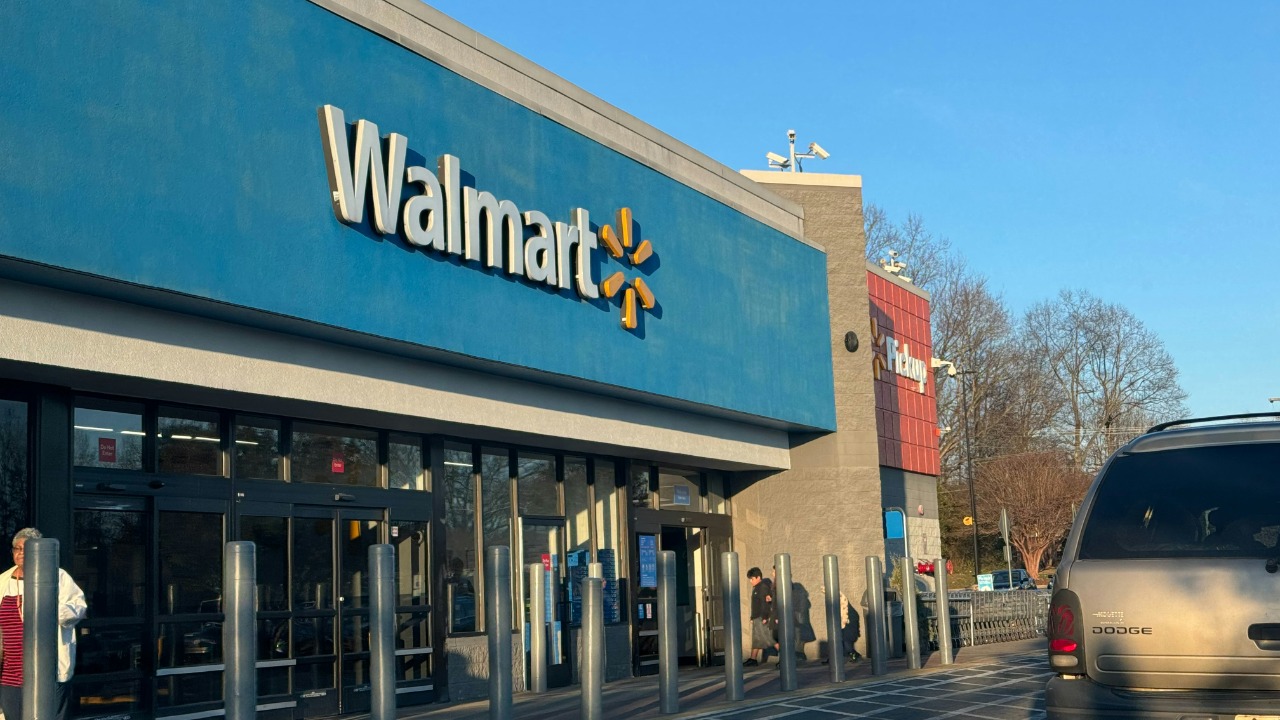
Walmart’s recent transition to self-checkout systems across its U.S. stores has led to the hiring of 15,000 new associates. This strategic move, announced by the retail giant on October 15, 2024, aims to enhance customer service and inventory management. The initiative coincides with broader positive trends in the labor market, as the U.S. unemployment rate fell to 4.1% in September 2024, signaling a recovery and boosting optimism about job prospects.
The Checkout System Overhaul
Walmart’s rollout of advanced self-checkout kiosks in over 4,000 stores marks a significant shift in its operational strategy. This change reduces the need for traditional cashier roles but creates new opportunities for “customer hosts” who assist with complex transactions and provide support on the sales floor. According to Walmart’s operational update, this initiative began in early 2024 and aims to improve efficiency while reallocating staff to more customer-focused roles. John David Rainey, Walmart’s CFO, emphasized that the company is not eliminating jobs but evolving them to better serve customers, highlighting a strategic pivot towards enhancing shopper experiences.
The initial implementation of these kiosks in high-traffic areas like Texas and Florida has already demonstrated success. Pilot programs conducted in 2023 showed a 20% increase in throughput at checkout lanes, according to internal Walmart data. This efficiency boost not only streamlines the shopping process but also allows Walmart to reallocate resources towards improving customer service, a move that aligns with the company’s broader goals of enhancing operational efficiency and customer satisfaction.
Impact on Job Creation
The addition of 15,000 new hires targets entry-level positions with an average starting wage of $15 per hour. These roles offer pathways for advancement into specialized positions, such as tech support for the kiosks, as detailed in Walmart’s hiring initiative announcement. This recruitment drive is part of a broader effort to diversify the workforce, with Walmart partnering with local workforce development programs in 20 states to fill these positions by the end of 2024. This approach not only addresses skills gaps in digital retail tools but also supports community employment initiatives.
Economists from the National Retail Federation suggest that Walmart’s tech-driven shift could indirectly create up to 50,000 jobs in related sectors such as supply chain and maintenance. This potential for indirect job creation underscores the broader economic impact of Walmart’s strategy, as it not only fills immediate staffing needs but also stimulates growth in ancillary industries, contributing to a more robust job market.
Broader Labor Market Context
Walmart’s hiring surge is part of a larger trend of job growth in the U.S., with the Bureau of Labor Statistics reporting an addition of 254,000 nonfarm payroll jobs in September 2024. This growth is primarily driven by gains in the leisure, hospitality, and retail sectors. Walmart’s approach contrasts with other retailers like Target, which has cut 1,500 corporate jobs to fund AI investments, highlighting different strategies within the industry. This divergence illustrates the varied responses to technological advancements and their implications for workforce management.
Federal Reserve Chair Jerome Powell noted in a September 2024 speech that innovations like Walmart’s contribute to resilient job growth amid cooling inflation. This perspective underscores the importance of technological adaptation in sustaining economic momentum and highlights the role of retail innovations in driving employment opportunities, even as other sectors face challenges from automation and AI integration.
Employee and Community Reactions
Walmart associates have expressed mixed feelings about the transition to self-checkout systems. While some cashier roles are evolving into more dynamic support positions, offering greater mobility and skill development, others remain cautious about the long-term implications. Employee testimonials from Walmart’s internal survey reveal that many see this as an opportunity to learn new skills without the risk of job loss, reflecting a generally positive outlook among the workforce.
Community leaders in areas like Bentonville, Arkansas, where Walmart is headquartered, have praised the initiative for providing stable employment opportunities to underserved groups. The Bentonville Chamber of Commerce has noted a 10% drop in local unemployment, attributing this improvement to retail expansions. However, labor unions such as the United Food and Commercial Workers express caution, urging Walmart to commit to no net job losses through 2025. This call for assurance highlights ongoing concerns about job security in the face of automation and technological change.
More From TheDailyOverview
- Dave Ramsey says these two simple questions show whether you’re rich or poor
- Retired But Want To Work? Try These 18 Jobs for Seniors That Pay Weekly
- IRS raises capital gains thresholds for 2026 and what’s new
- 12 ways to make $5,000 fast that actually work

Grant Mercer covers market dynamics, business trends, and the economic forces driving growth across industries. His analysis connects macro movements with real-world implications for investors, entrepreneurs, and professionals. Through his work at The Daily Overview, Grant helps readers understand how markets function and where opportunities may emerge.

