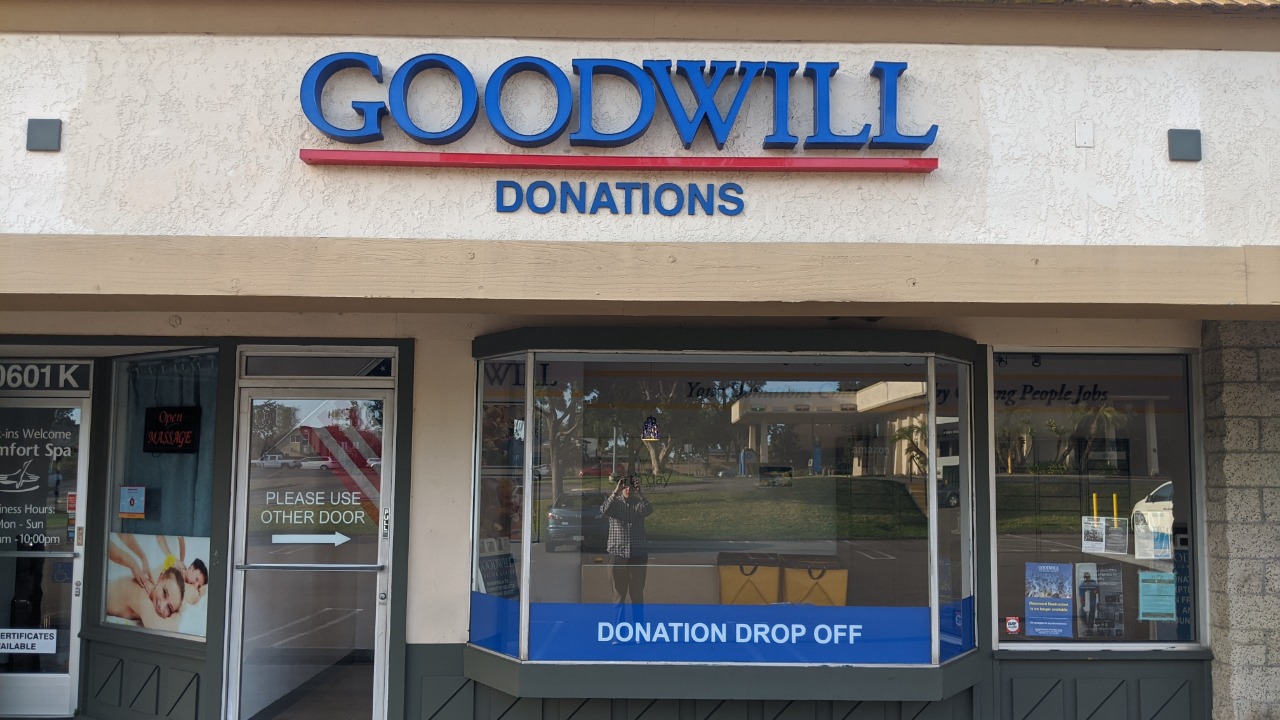
Goodwill is shutting down 13 locations even as donations hit record highs, a jarring split between public generosity and the organization’s on-the-ground footprint. The closures highlight how a charity built on secondhand goods can be flooded with inventory yet still struggle to keep doors open.
I see a deeper story in that contradiction: a nonprofit navigating rising costs, shifting retail habits, and internal management choices while donors assume that full parking lots and overflowing bins equal financial health.
Record donations, shrinking footprint
The first thing that stands out is the mismatch between what donors see and what Goodwill’s balance sheets show. Households are giving away more clothing, furniture, and electronics than ever, helped by online decluttering trends and the ease of drive‑through drop‑offs. That surge has translated into record volumes of donated goods moving through Goodwill’s regional networks, with some affiliates reporting double‑digit growth in intake and higher gross sales in their thrift stores compared with prior years, according to donation data. Yet at the same time, at least 13 sites have been marked for closure, including a mix of small donation centers and full retail stores, as local leaders cite unsustainable operating costs and underperforming locations.
On paper, more donations should mean more revenue to fund job training and other programs, but the economics are more complicated than a full bin equals a healthy budget. Each bag of clothes or box of kitchenware has to be sorted, priced, and either sold, recycled, or discarded, and that labor and logistics bill has climbed sharply with higher wages, rent, and transportation costs. Several regional Goodwill organizations have acknowledged that even with record intake, some stores are losing money month after month, prompting decisions to consolidate operations and close weaker sites, as reflected in recent closure notices. The result is a paradox that donors feel in their neighborhoods: more people are giving, but fewer storefronts are left to receive and resell what they drop off.
Rising costs and thin margins behind the closures
When I look at why 13 locations are closing, the throughline is not a collapse in generosity but the grind of running a labor‑intensive retail chain in an inflationary environment. Goodwill stores rely heavily on hourly workers to sort donations, stock shelves, and staff registers, and several affiliates have reported that payroll expenses have risen faster than sales, particularly in urban and suburban markets where minimum wages and competition for workers are higher. In internal explanations to local communities, executives have pointed to rent increases, utilities, and maintenance costs that outstrip what low‑priced secondhand goods can realistically cover, even with strong customer traffic, as detailed in recent financial statements.
Those pressures are magnified by the fact that Goodwill’s business model depends on volume rather than high margins. A donated pair of jeans might sell for a few dollars, but the organization still has to absorb the cost of handling the many items that never make it to the sales floor or sit unsold until they are bundled for bulk sale or recycling. Several regional leaders have said that transportation costs to move unsold inventory to outlet centers or salvage buyers have climbed significantly, eroding the profitability of marginal stores and donation centers, according to logistics reports. When those numbers are laid out, the decision to shutter 13 locations looks less like a retreat from growth and more like a painful attempt to protect the rest of the network from being dragged down by chronic losses.
Donor expectations collide with operational reality
For donors, the closures can feel like a betrayal of trust. People who have given to the same neighborhood Goodwill for years often assume that a steady stream of cars and a packed sales floor translate into financial stability. When a sign suddenly goes up announcing that a site is closing, the instinctive reaction is to question how a charity can be overwhelmed with donations yet still claim it cannot afford to stay open. That disconnect has surfaced in community meetings and social media posts reacting to closure announcements, where residents express frustration that their contributions did not prevent their local store from being cut, as reflected in community feedback.
From Goodwill’s perspective, the challenge is explaining that not all donations are equal in value and that the cost of processing low‑quality or unsellable items can actually drag down a location’s finances. Several affiliates have reported that a growing share of what arrives at donation docks is stained, broken, or outdated, which means more staff time spent sorting and more money spent on disposal, according to donation quality analyses. When I weigh those factors, the closures look less like a contradiction and more like a collision between public perception and the hard math of running a thrift‑based social enterprise in an era of fast fashion and disposable goods.
Shifts in shopping habits and competition
The retail landscape around Goodwill has also changed in ways that make some locations harder to sustain, even with strong donation flows. Shoppers who once relied on brick‑and‑mortar thrift stores for budget clothing and household items now have a growing menu of alternatives, from dollar stores to online resale platforms like Poshmark, Depop, and Facebook Marketplace. Several market studies have shown that younger consumers in particular are comfortable buying secondhand online, where they can search for specific brands and sizes instead of browsing racks in person, a trend that has chipped away at foot traffic in some Goodwill stores, according to secondhand market research.
Goodwill has experimented with its own e‑commerce channels, including shopgoodwill.com and curated online storefronts, but those efforts require separate infrastructure and do not automatically rescue underperforming physical sites. In some regions, affiliates have acknowledged that they are redirecting higher value items to centralized online operations or outlet centers, which can leave smaller neighborhood stores with a less compelling mix of merchandise, as described in internal strategy documents. When I connect those dots, the 13 closures look partly like a response to where shoppers are actually spending their money: fewer small, scattered stores and more emphasis on larger hubs and digital channels that can handle both the volume and the changing expectations of thrift customers.
Impact on workers and local communities
Behind every shuttered Goodwill site are workers who lose jobs and neighborhoods that lose a familiar anchor. The organization often emphasizes its role as an employer of people facing barriers to work, including individuals with disabilities, people reentering the workforce after incarceration, and those with limited formal education. When a store closes, those employees may be offered transfers to other locations, but internal memos and local reporting show that not all positions can be preserved, particularly when closures are clustered in the same region, as noted in recent layoff notices. For communities, the loss is not just economic; Goodwill stores often serve as informal hubs where residents donate, shop, and access information about training programs.
The closures also raise questions about how evenly Goodwill’s services are distributed. Several of the affected sites are in lower income areas where residents rely on affordable clothing and household goods, and where transportation to more distant stores is limited. Local advocates have warned that consolidating operations into fewer, larger locations could leave some neighborhoods effectively without access to Goodwill’s retail offerings or job services, concerns that have surfaced in community impact assessments. When I consider those trade‑offs, the decision to close 13 locations looks like a balancing act between financial sustainability and the organization’s stated mission to serve people who have the least margin for disruption.
What the closures signal about Goodwill’s future
Stepping back, the wave of closures amid record donations signals that Goodwill is in a period of strategic recalibration rather than simple contraction. Several affiliates have framed the moves as part of a broader plan to modernize operations, invest in larger regional hubs, and expand digital sales channels, even as they trim smaller or chronically unprofitable sites, according to recent strategic plans. The organization is also under pressure to demonstrate that it is using its resources efficiently, with watchdog groups and donors scrutinizing executive compensation, administrative costs, and the share of revenue that flows directly into job training and other programs.
For donors and shoppers, the practical takeaway is that generosity alone does not guarantee that a local store will survive. The 13 closures show how factors like real estate costs, labor markets, donation quality, and shifting consumer behavior can outweigh even record inflows of goods. If Goodwill can successfully channel its growing donation stream into more efficient operations and stronger programs, the current retrenchment could set the stage for a more resilient network of stores and services. If it cannot, the paradox of overflowing bins and locked doors may become a more common feature of the nonprofit landscape, a reminder that mission‑driven organizations are not immune to the same economic forces reshaping the rest of retail.
More From TheDailyOverview
- Dave Ramsey says these two simple questions show whether you’re rich or poor
- Retired But Want To Work? Try These 18 Jobs for Seniors That Pay Weekly
- IRS raises capital gains thresholds for 2026 and what’s new
- 12 ways to make $5,000 fast that actually work

Grant Mercer covers market dynamics, business trends, and the economic forces driving growth across industries. His analysis connects macro movements with real-world implications for investors, entrepreneurs, and professionals. Through his work at The Daily Overview, Grant helps readers understand how markets function and where opportunities may emerge.

