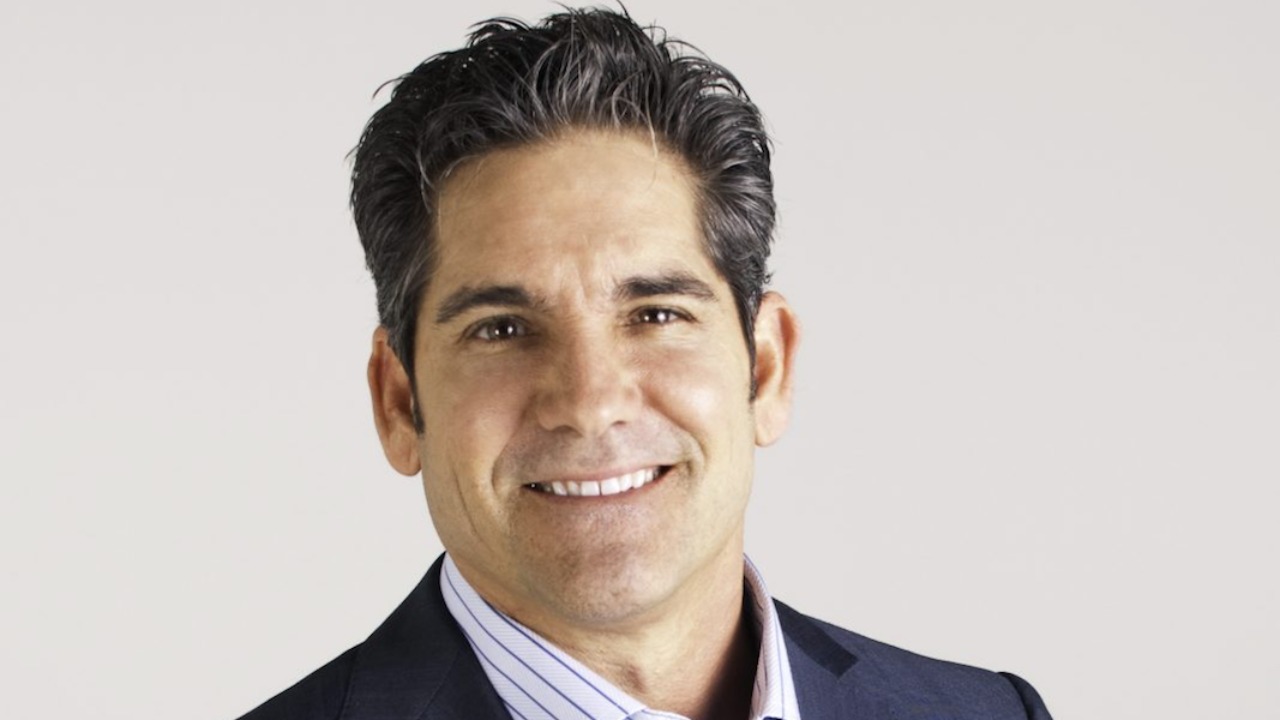
Grant Cardone, a renowned real estate investor and author, advocates for a transformative shift in retirement savings strategies, emphasizing the importance of tax efficiency over traditional saving methods. He argues that taxes pose the greatest threat to retirement funds, urging individuals to restructure their savings to minimize tax burdens rather than focusing solely on accumulation. This approach challenges conventional wisdom, as Cardone boldly advises the middle class to abandon traditional practices like saving money, buying homes, and saving for retirement, instead encouraging them to adopt wealth-building strategies used by the affluent.
Understanding Cardone’s Core Retirement Philosophy
Grant Cardone’s financial philosophy is rooted in the belief that “America should have the wealthiest middle class in the world, bar none.” This vision drives his recommendations for wealth growth across all income levels. Cardone suggests that the middle class should emulate the strategies of the wealthy, focusing on active income generation and asset acquisition rather than passive saving. This approach aims to build lasting financial security by prioritizing investments that generate income and appreciate over time.
Cardone’s advice to “do what wealthy people do” includes a radical departure from traditional financial practices. He advocates for a shift away from saving money in low-yield accounts and purchasing homes as primary residences. Instead, he encourages investing in income-producing assets, such as real estate and businesses, which can provide a more substantial return on investment. This perspective is encapsulated in his statement urging the middle class to “quit saving money, quit buying homes, quit saving for retirement,” which challenges the conventional reliance on traditional retirement vehicles.
The Primary Threat: Taxes on Retirement Savings
According to Grant Cardone, taxes are the biggest threat to retirement savings. He highlights how deferred taxes in accounts like 401(k)s can erode long-term gains, making it crucial to consider tax implications when planning for retirement. Cardone suggests that individuals should focus on strategies that mitigate tax impacts, such as reallocating savings into tax-advantaged real estate or business investments, rather than relying on taxable retirement plans.
This tax-focused approach significantly alters conventional retirement planning. By prioritizing tax efficiency, Cardone’s strategy contrasts with standard advice from financial advisors, who often emphasize the importance of accumulating savings in tax-deferred accounts. Cardone’s perspective encourages individuals to think beyond traditional retirement vehicles and consider alternative investments that offer tax benefits and potential for higher returns.
Implementing the No. 1 Change to Savings Strategy
Grant Cardone’s “No. 1 change to make to your retirement savings” emphasizes a shift toward income-producing assets over low-yield savings. He recommends diversifying investments into multifamily real estate or scalable businesses, which align with his model of wealth preservation. This approach aims to accelerate growth without increasing personal risk exposure, offering a practical path for middle-class savers to enhance their financial security.
To implement this change, Cardone suggests practical steps such as investing in real estate properties that generate rental income or starting businesses that can scale over time. These strategies provide opportunities for consistent cash flow and capital appreciation, which are essential for building long-term wealth. By focusing on income-producing assets, individuals can create a more robust financial foundation that supports their retirement goals.
Potential Drawbacks and Alternatives to Cardone’s Approach
While Grant Cardone’s advice offers a compelling alternative to traditional retirement strategies, it may not be suitable for everyone. There are “7 reasons Grant Cardone’s money advice might not work for you,” including the risks associated with high leverage in real estate for those without financial expertise. For individuals who are risk-averse or lack the necessary knowledge, these strategies could lead to financial instability.
To address these concerns, balanced alternatives can be considered. Hybrid strategies that combine Cardone’s aggressive tactics with conservative elements, such as diversified index funds, may offer a more suitable approach for risk-averse individuals. These strategies provide a mix of growth potential and stability, allowing individuals to benefit from Cardone’s insights while managing risk effectively.
Additionally, factors like market volatility or personal circumstances could limit the applicability of Cardone’s approach. Tailored adjustments based on individual income levels and financial goals can help mitigate these challenges, ensuring that retirement planning remains aligned with personal needs and preferences.
More From TheDailyOverview
- Dave Ramsey says these two simple questions show whether you’re rich or poor
- Retired But Want To Work? Try These 18 Jobs for Seniors That Pay Weekly
- IRS raises capital gains thresholds for 2026 and what’s new
- 12 ways to make $5,000 fast that actually work

Nathaniel Cross focuses on retirement planning, employer benefits, and long-term income security. His writing covers pensions, social programs, investment vehicles, and strategies designed to protect financial independence later in life. At The Daily Overview, Nathaniel provides practical insight to help readers plan with confidence and foresight.

