
Investing in the S&P 500 has long been considered a reliable strategy for wealth accumulation, thanks to its historical performance and the power of compound interest. By committing to an annual investment of $1,000, many wonder how long it would take to reach the million-dollar milestone. This journey involves understanding the dynamics of market returns, economic cycles, and personal financial strategies.
Understanding the S&P 500 and Its Historical Performance

The S&P 500, a stock market index that measures the performance of 500 of the largest companies listed on stock exchanges in the United States, is a vital indicator of the market’s health. It represents a diverse cross-section of industries, providing investors with insight into the broader U.S. economy. Historically, the S&P 500 has yielded an average annual return of about 10%, though this figure fluctuates due to market volatility.
Compound interest plays a crucial role in wealth accumulation. By reinvesting dividends and allowing returns to compound over time, investors can significantly enhance their portfolio’s growth. This means that the longer you remain invested, the more pronounced the effects of compounding become, ultimately accelerating your journey towards substantial wealth.
The Road to $1 Million: Key Factors

Your journey to a million dollars by investing $1,000 annually in the S&P 500 is influenced by several factors. The initial impact of annual contributions is significant; however, the real power lies in the long-term compounding of returns. Over decades, even modest contributions can amass a considerable sum.
Market volatility and economic cycles also play a role. While the S&P 500 has historically trended upwards, it is susceptible to short-term fluctuations due to economic crises or shifts in investor sentiment. Understanding these cycles can help investors maintain a steady course, even when the market experiences downturns.
Inflation is another critical factor that impacts the real value of returns. While nominal returns may appear impressive, adjusting for inflation provides a clearer picture of the actual purchasing power of your investments. For instance, a 10% annual return might translate to a 7% real return after accounting for a 3% inflation rate.
Calculating the Time Frame

To estimate how long it will take to reach $1 million, financial calculators like the Banner Bank Millionaire Calculator can be invaluable. By inputting variables such as annual contribution, expected rate of return, and current savings, these tools provide a timeline for reaching your financial goal. For example, assuming a 10% annual return, investing $1,000 each year might take approximately 50 years to reach $1 million.
Consider hypothetical scenarios to understand the impact of different rates of return. If the market performs exceptionally well, yielding a 12% annual return, your timeline could shorten significantly. Conversely, a more conservative 8% return might extend the journey. This highlights the importance of realistic expectations and adaptability in your investment strategy.
The concept of the time value of money underscores the importance of starting your investment journey as early as possible. The earlier you begin, the more time your investments have to grow, reducing the need for larger contributions later in life to achieve the same financial objectives.
Strategies to Maximize Your Investment Journey
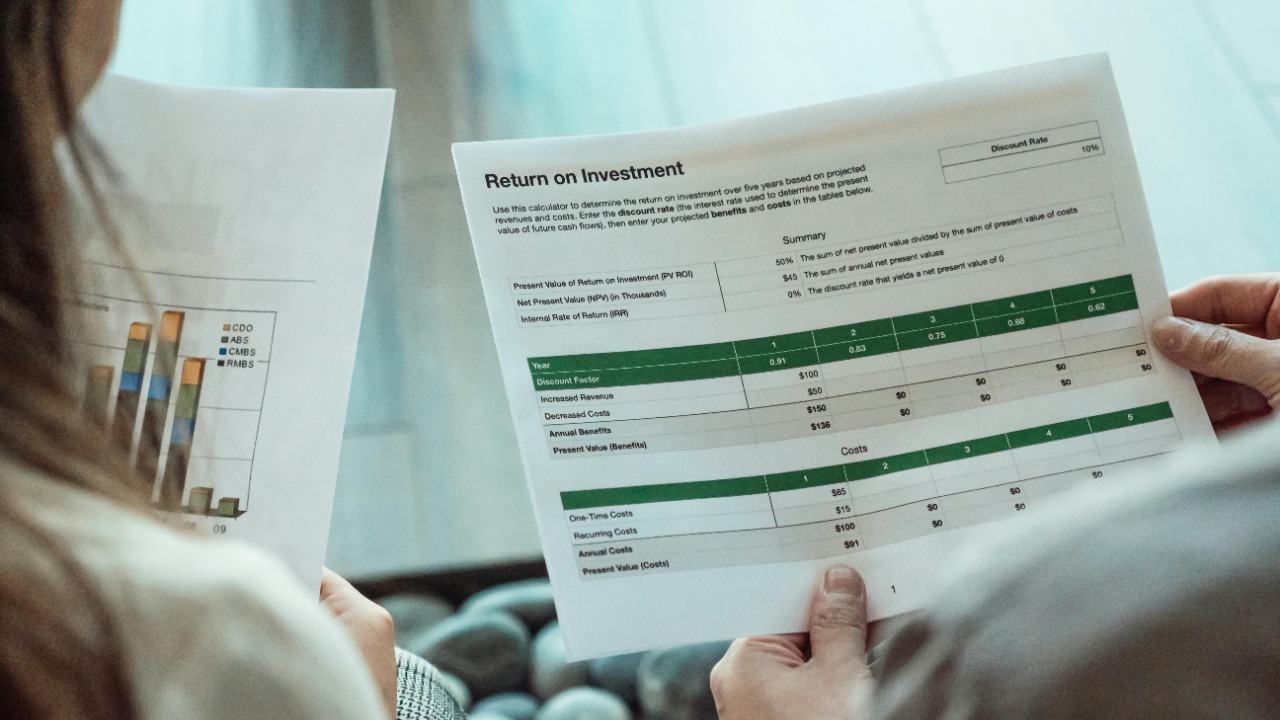
While investing solely in the S&P 500 can be effective, diversification is key to managing risk and optimizing returns. By spreading investments across different asset classes, you can protect your portfolio from market volatility. Consider a mix of stocks, bonds, and other investment vehicles to balance risk and reward.
Regular portfolio rebalancing is essential to maintaining your desired asset allocation. Over time, market fluctuations can skew your portfolio’s balance, potentially increasing risk. Rebalancing ensures that your investments remain aligned with your risk tolerance and financial goals.
It’s crucial to stay disciplined and avoid making emotional decisions, especially during market volatility. A long-term mindset and adherence to a predefined investment strategy can help you navigate the ups and downs of the market, ultimately leading to stable growth over time. For additional insights on this approach, check out this article on Vanguard S&P 500 ETFs.
The Role of Financial Planning and Goal Setting

Setting realistic financial goals aligns your investment strategy with personal objectives. Whether saving for retirement, a child’s education, or other long-term goals, clearly defined targets guide your investment decisions and help maintain focus.
Working with financial advisors can provide valuable expertise and guidance. Advisors can help tailor investment strategies to your unique circumstances, ensuring that your financial plan is comprehensive and adaptable to changing life events. Professional advice can be particularly beneficial in navigating complex investment landscapes and optimizing tax strategies.
As your income grows and financial circumstances evolve, adjusting your contributions is essential. Increasing your annual investment amount can significantly accelerate your journey to $1 million. By committing to regular increases, you capitalize on higher earning potential and compound growth.

Cole Whitaker focuses on the fundamentals of money management, helping readers make smarter decisions around income, spending, saving, and long-term financial stability. His writing emphasizes clarity, discipline, and practical systems that work in real life. At The Daily Overview, Cole breaks down personal finance topics into straightforward guidance readers can apply immediately.
