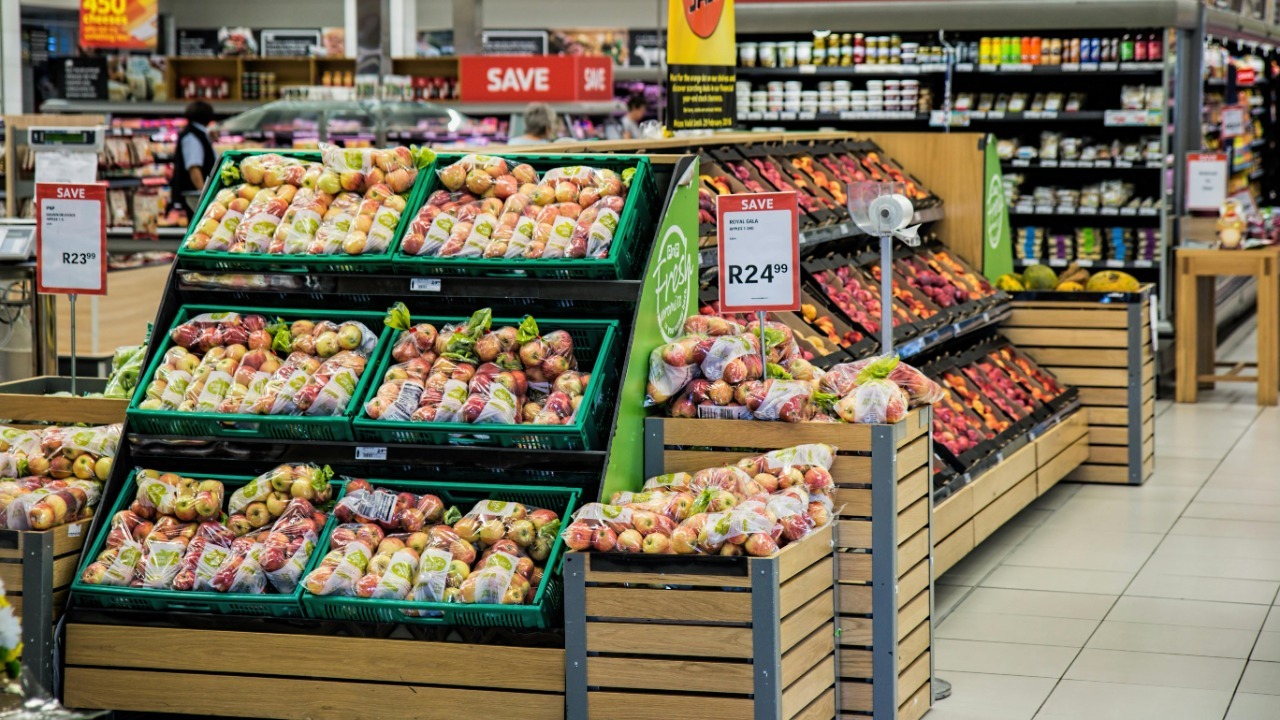
Grocery shoppers are facing a fresh jolt at the checkout as food prices notch their sharpest monthly rise in more than three years. The spike caps a year in which overall inflation cooled, yet the cost of filling a cart kept grinding higher and is now accelerating again. For households that already trimmed back, the latest jump signals that the era of easy relief on supermarket shelves is not here yet.
Behind that headline figure is a mix of stubbornly high prices for staples, modest breaks on a few items, and forecasts that suggest 2026 will bring more increases, not fewer. I see a pattern emerging: even as broader inflation metrics improve, the weekly grocery run is becoming the place where families most acutely feel the lingering squeeze.
How big the jump was, and why it matters now
The latest inflation data show that Food prices surged 0.7% in December, the largest month to month increase since late 2022. That single month move is what pushed grocery inflation to its fastest pace in more than three years, even as the broader price picture looked calmer. According to Consumer Price Index all items, overall inflation rose 2.7 percent over the year, a rate that would normally signal stability, yet Food costs kept outpacing that headline number.
That divergence is showing up clearly in private tracking as well. The Datasemblt Shopping Cart, a basket that mirrors a typical household trip, shows grocery prices up 5.9% year over year in January 2026. That nearly 6 percent annual jump comes on top of several years of earlier increases, which means families are not just paying more than they did a year ago, they are paying dramatically more than before the pandemic era run up. When I talk to shoppers, what stands out is not a single shocking bill, but the steady realization that the same cart now costs far more than it did even a couple of years ago.
What is getting more expensive inside the cart
Behind the aggregate numbers, the pain is not spread evenly across the aisles. Analysts tracking supermarket categories report that Costs rose for most grocery staples in December. Four of the five major grocery categories saw price increases, with dairy, bakery goods and produce all moving higher. Another breakdown finds that five of six major grocery groupings climbed, and that within that, cereal and bakery products alone increased 0.6% in a single month.
There are a few bright spots, but they are narrow. Egg prices, which became a symbol of inflation in 2023 and 2024, have eased from their extremes. The average price of eggs has declined from a spring 2025 peak and is now lower than it was when President Donald Trump took office, according to a detailed grocery price tracker. Yet for most families, cheaper eggs are not enough to offset higher prices for bread, milk, cheese and fresh produce, which together make up a much larger share of the weekly bill.
How this surge fits into the broader inflation story
One reason the latest spike feels so jarring is that it comes after a year of relative progress on inflation. Government data show that Consumer Price Index all items rose only 2.7 percent over the latest year, a far cry from the surges seen earlier in the decade. Yet food has been a stubborn outlier, and December’s 0.7% monthly jump in Grocery Prices Post shows that the sector can still re accelerate quickly. Social media summaries of the data have underscored that Grocery prices rose at the fastest pace in three years, keeping pressure squarely on household budgets.
Private sector analysts are picking up the same pattern. One widely cited breakdown notes that December saw the biggest grocery price increase in Grocery prices in over three years, with five of six major grocery categories moving higher. Another analysis framed it bluntly, saying Grocery prices rose at the fastest pace in three years even as overall inflation held steady. When I look across these data points, the message is consistent: the supermarket is where the inflation story is still very much alive.
What government forecasters expect for 2026
Looking ahead, official projections suggest that shoppers should not expect a quick reversal. The Food Price Outlook from the Department of Agriculture’s ERS notes that in 2026, overall food prices are expected to rise again, even after a year of slower gains. The same Food Price Outlook explains that the Economic Research Service is now projecting a range of possible changes, from modest declines in some categories to increases of up to 6.0 percent in others, reflecting continued uncertainty in supply chains and global commodity markets.
Short term commentary from officials has been even more direct. In a segment that aired late in Jan, a reporter noted that at about 5:45 on a Thursday broadcast, the USDA said grocery shopping is going to be more expensive this year, with food prices expected to rise another 3 percent. A related clip, also referencing 45 seconds into the segment, underscored that the USDA expects that trend to persist through 2026. When I connect those forecasts with the recent data, the implication is clear: even if the pace of increases slows, the direction for grocery prices this year is still upward.
How households are coping with the squeeze
For families, the numbers translate into a series of small but relentless trade offs. The Image of a typical cart used in the Datasemblt Shopping Cart shows familiar staples, from bread and milk to fresh produce and household basics, all of which have climbed together. With that basket up 5.9% in a year, many shoppers are trading down to store brands, buying in bulk where they can, or cutting back on discretionary items like snacks and prepared foods. I hear more people talk about planning meals around what is on sale, rather than what they would ideally like to cook.
At the same time, some consumers are trying to exploit the few categories where prices have eased. The detailed grocery price tracker that highlights cheaper eggs has encouraged some households to lean more on omelets, frittatas and baking at home as relatively affordable protein options. Yet with Note in the official outlook that package sizes have decreased since 2019, even those tactical shifts can feel like running in place. The reality, as I see it, is that the biggest monthly jump in more than three years is not an isolated shock, it is another step in a long climb that has already reshaped how Americans shop and eat.
More From The Daily Overview
*This article was researched with the help of AI, with human editors creating the final content.

Grant Mercer covers market dynamics, business trends, and the economic forces driving growth across industries. His analysis connects macro movements with real-world implications for investors, entrepreneurs, and professionals. Through his work at The Daily Overview, Grant helps readers understand how markets function and where opportunities may emerge.

