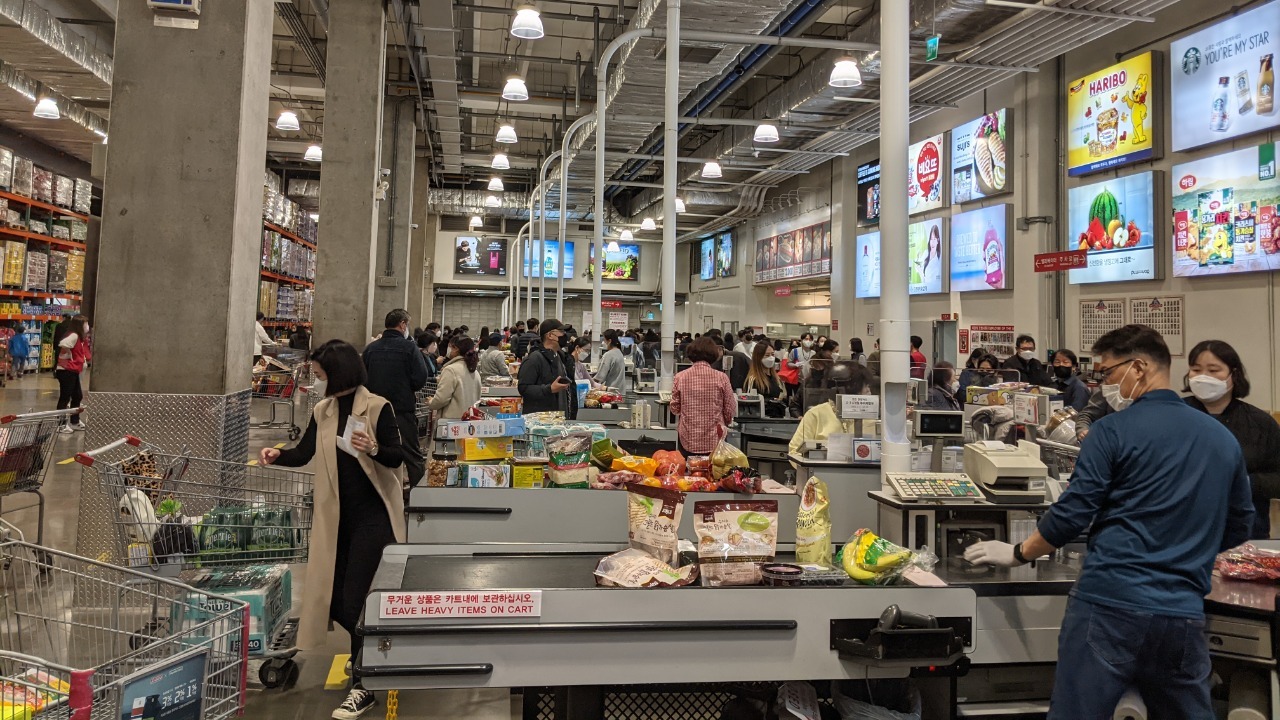
In recent months, grocery bills have surged by an alarming 3.3%, a trend that has sparked concern among American consumers. A significant factor driving this increase is the reshaping of shopping habits due to newly implemented tariffs. This development is not just about numbers but reflects a profound shift in both consumer behavior and market dynamics.
The Impact of Tariffs on Grocery Prices

The recent wave of tariffs has been part of a broader strategy by the U.S. government to recalibrate its trade balance and protect domestic industries. However, the implications for American consumers have been immediate and tangible. The changes in U.S. trade policy have resulted in increased costs for imported goods, which are now reflected in the prices on grocery store shelves. Products like dairy, meats, and imported fruits have been particularly affected, leading to higher costs for families across the nation.
Tariffs function as a tax on imports, and this economic mechanism means that the cost burden falls not just on the importers but eventually on the consumers. For instance, a tariff on imported cheese from Europe has directly resulted in higher prices for a wide range of products, from luxury cheese varieties to everyday processed cheese products used in sandwiches and snacks. The ripple effect is seen in products like avocados and bananas, where tariff-induced price hikes have been documented. According to economic analysts, these increases are not just short-term fluctuations but part of a longer-term trend that could persist as long as the tariffs remain in place.
Consumer Behavior Shifts
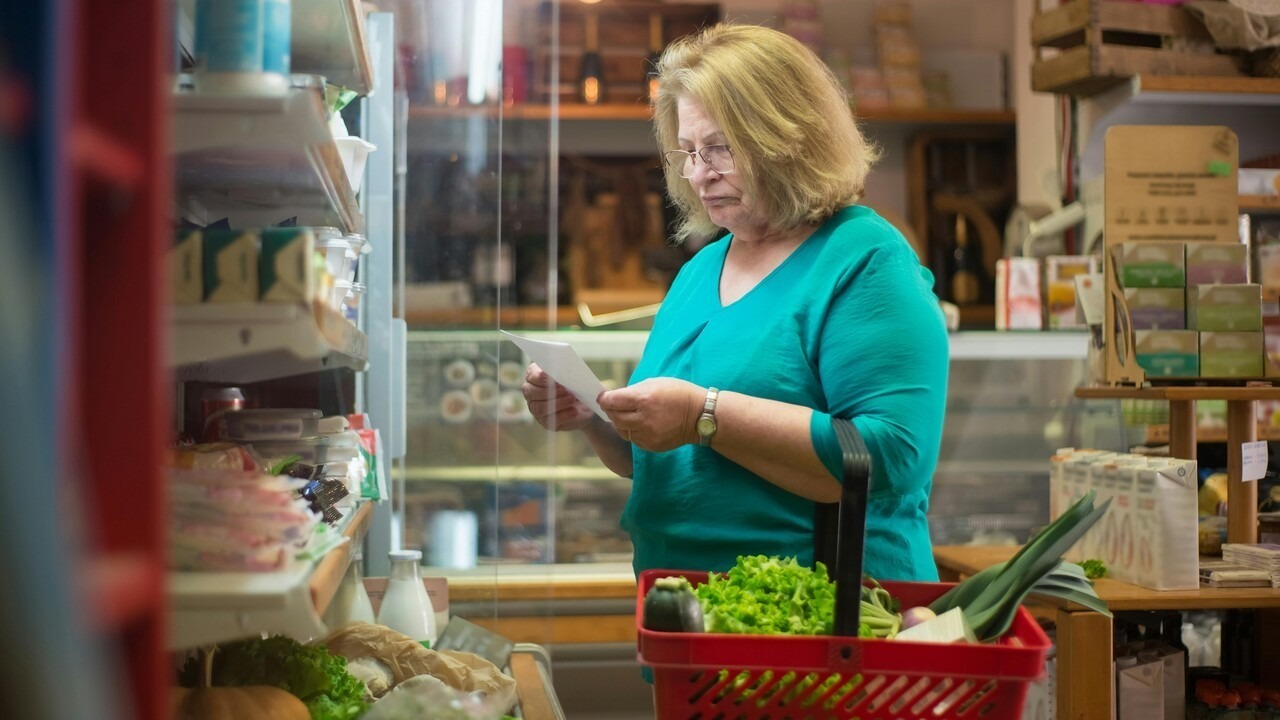
As grocery prices continue to climb, there has been a noticeable shift in consumer behavior. Shoppers are increasingly turning to budget-friendly grocery stores and discount retailers. Chains like Aldi and Lidl, known for their cost-effective pricing, have seen a surge in popularity. These stores offer a limited selection of private-label products, which allows them to keep prices low and appeal to price-sensitive consumers. Additionally, there’s a marked increase in the use of coupons and other cost-saving strategies. Websites and apps dedicated to couponing have seen increased traffic as consumers look to stretch their dollars further.
The rise in grocery prices has also led to a growing interest in alternative food sources. Many consumers are turning to local produce and farmers’ markets in search of more affordable options. This shift not only supports local agriculture but also reduces reliance on imported goods subject to tariffs. Additionally, urban farming initiatives and home gardening have gained traction. People are increasingly interested in growing their own fruits and vegetables, both as a cost-saving measure and as a way to ensure food quality. This trend towards self-sufficiency is reshaping the way Americans think about food sourcing and sustainability.
The Role of Producers and Retailers
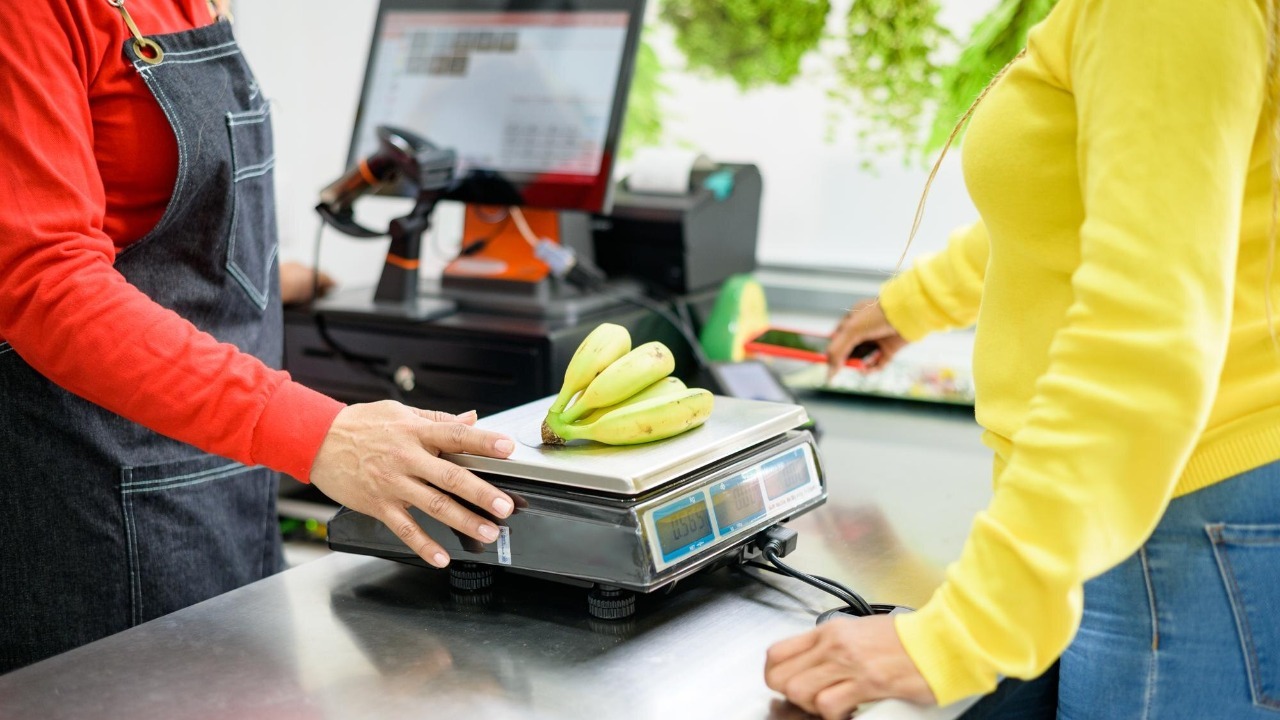
Producers face significant challenges in absorbing the additional costs imposed by tariffs. Small-scale producers, in particular, find it difficult to navigate these financial pressures. They often lack the resources to absorb increased costs without passing them on to consumers. To manage these challenges, producers are employing strategies such as diversifying their supplier base to include more domestic sources or investing in cost-saving technologies.
Retailers, on the other hand, are responding to changing consumer demands by adapting their pricing strategies and product offerings. Many are investing in supply chain efficiency to mitigate cost increases. For instance, some retailers are optimizing their logistics networks to reduce transportation costs, thus partially offsetting the impact of tariffs. Others are focusing on expanding their selection of private-label products, which often cost less than brand-name alternatives. These efforts reflect a broader attempt to maintain consumer loyalty in a challenging economic environment.
Economic Implications and Future Outlook
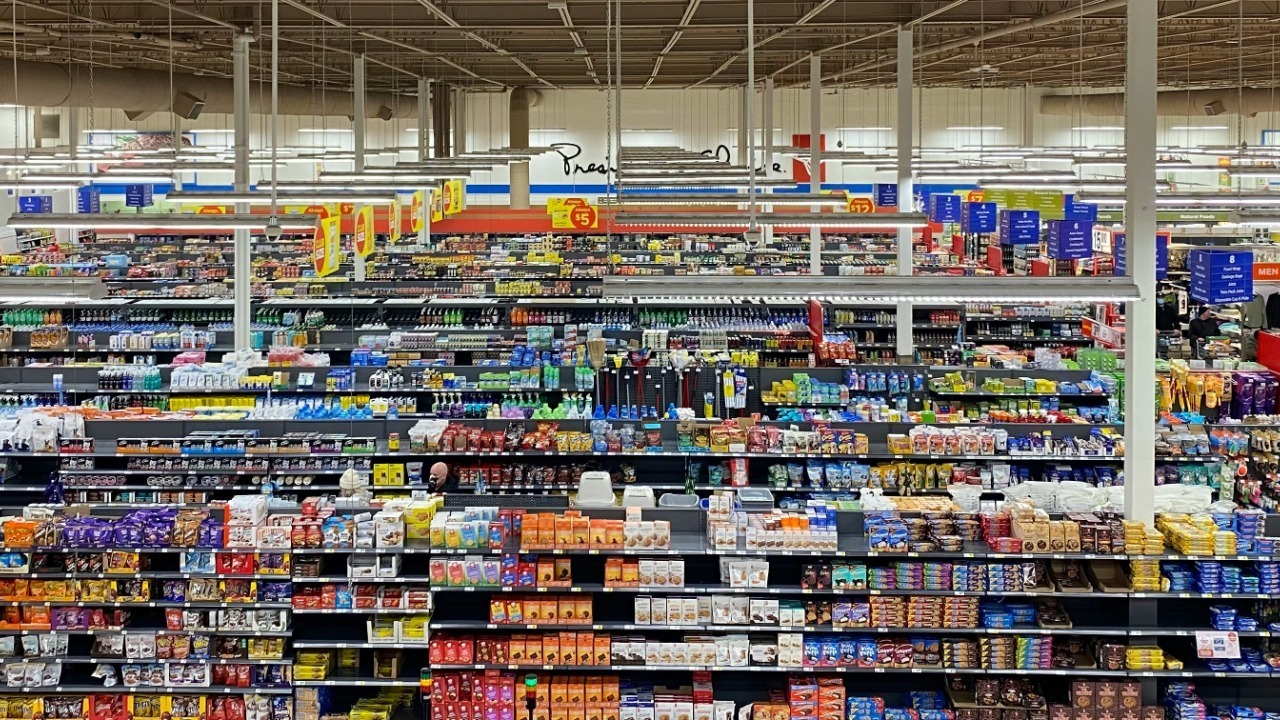
The broader economic impact of rising grocery prices is significant. As the cost of living increases, consumers are forced to adjust their spending habits, which in turn affects overall economic activity. Higher grocery bills can contribute to inflationary pressures, which may impact the national economy and GDP. This dynamic creates a complex economic landscape where policy decisions have far-reaching consequences.
Looking ahead, experts predict that grocery pricing and tariffs will continue to be a contentious issue. There is an ongoing debate about potential policy changes that could alleviate the burden on consumers. Some economists advocate for targeted tariff reductions, while others suggest alternative support measures for low-income households. In the meantime, consumers are encouraged to adopt strategies to navigate continued price volatility, such as bulk buying and participating in community-supported agriculture (CSA) programs.
Expert Opinions and Consumer Advocacy

Economists and trade experts provide valuable insights into the current trends in grocery pricing and tariffs. According to a report by Pantheon Macroeconomics, tariffs have a significant impact on consumer prices and purchasing power. Interviews with experts reveal that while tariffs are intended to protect domestic industries, they often result in unintended consequences for the average consumer. Solutions such as improved transparency in pricing and increased competition in the retail sector are suggested as ways to mitigate these effects.
Consumer advocacy groups play a crucial role in addressing grocery price hikes. Organizations like the Consumer Federation of America work tirelessly to increase transparency and accountability in pricing. These groups advocate for policies that protect consumers from unfair pricing practices and educate them on how to adapt to rising costs. Initiatives such as financial literacy programs and consumer rights workshops empower individuals to make informed decisions in a challenging economic environment.

Grant Mercer covers market dynamics, business trends, and the economic forces driving growth across industries. His analysis connects macro movements with real-world implications for investors, entrepreneurs, and professionals. Through his work at The Daily Overview, Grant helps readers understand how markets function and where opportunities may emerge.

