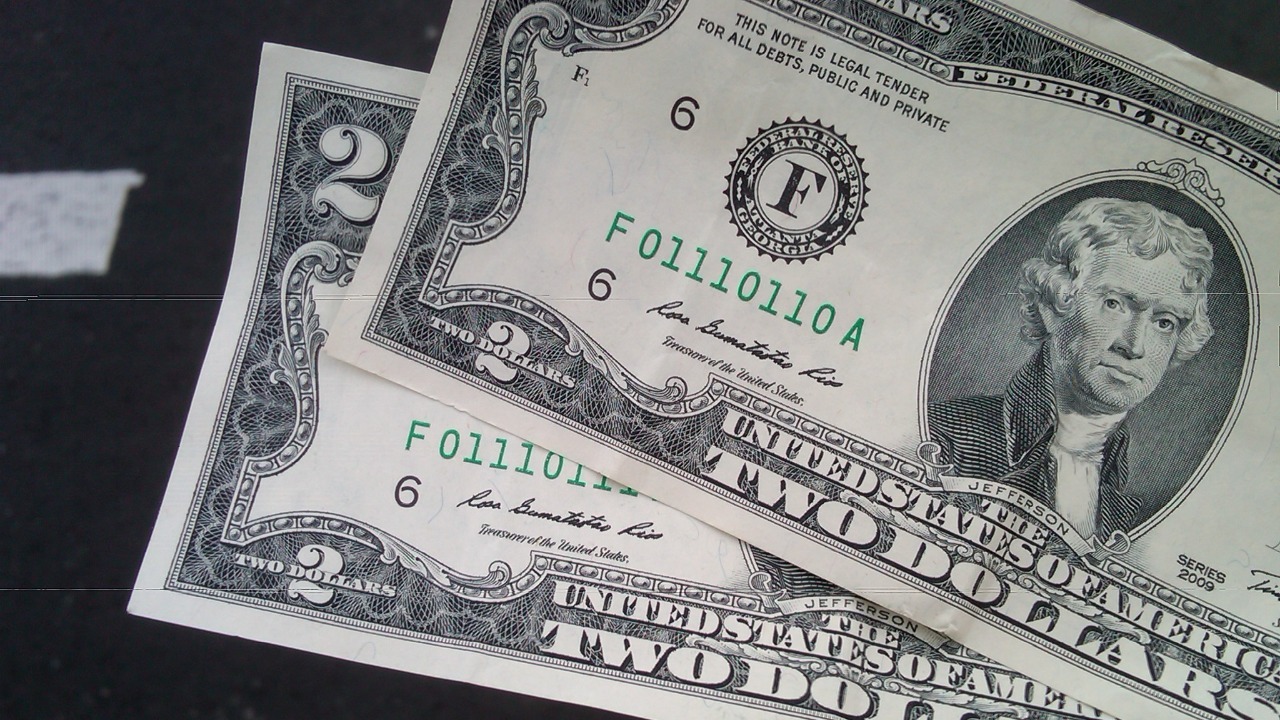
Many people overlook the potential value of the $2 bill, dismissing it as just another piece of currency. However, these bills can sometimes be worth much more than their face value, making it worthwhile to take a closer look at the ones you might have stashed away. Let’s explore the factors that contribute to the $2 bill’s value and why you should be paying attention to them.
The History and Rarity of the $2 Bill
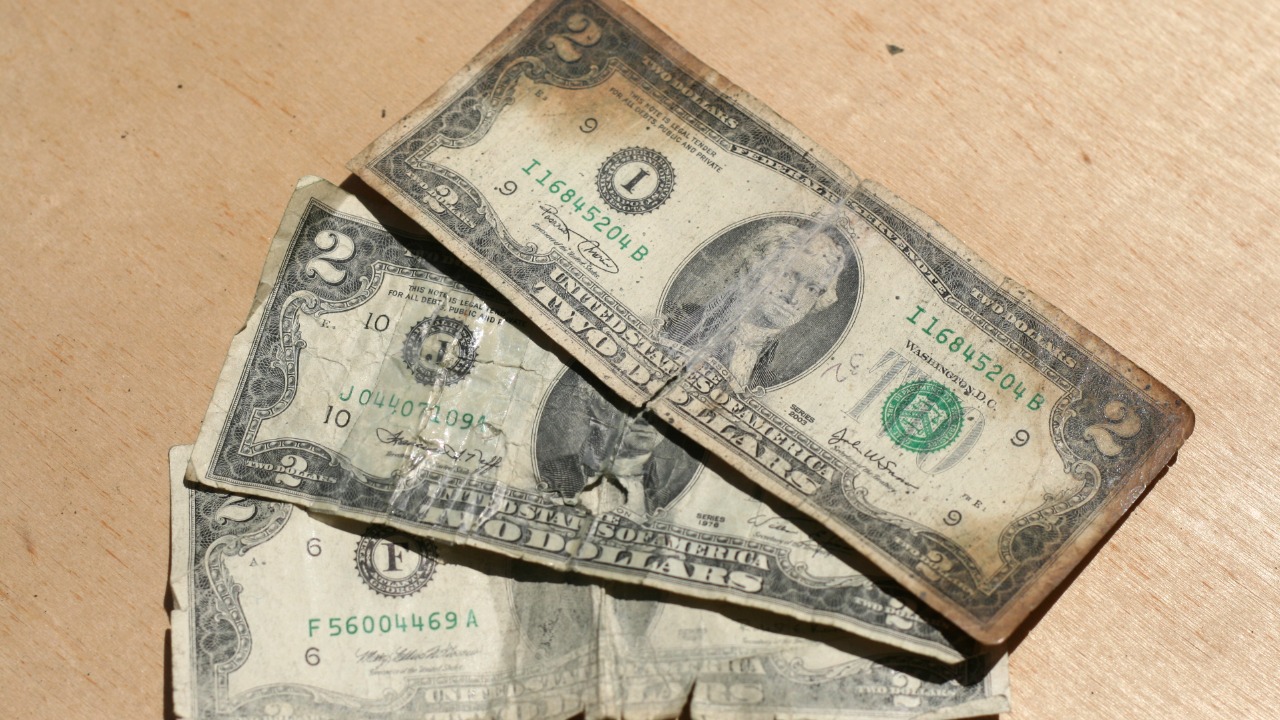
The $2 bill has an intriguing history that dates back to 1862 when it was first introduced as a Legal Tender Note. Its design has evolved over the years, with the most distinctive feature being the portrait of Thomas Jefferson on the obverse side. The reverse side of the bill originally depicted a rendition of the Declaration of Independence, which has contributed to its unique appeal among collectors. The design sets it apart from other denominations, making it a curiosity in the world of U.S. currency.
Production of the $2 bill has been sporadic, adding to its rarity. There were long periods, particularly in the late 20th century, when the bill was not printed at all. This intermittent production has resulted in fewer $2 bills in circulation compared to other denominations. The cultural perception of the $2 bill as quirky or even unlucky in some circles has further compounded its rarity, although this has only increased its desirability among collectors. The rarity and cultural perception of the $2 bill have made it a fascinating subject for both history buffs and numismatists alike.
Factors That Contribute to a $2 Bill’s Value
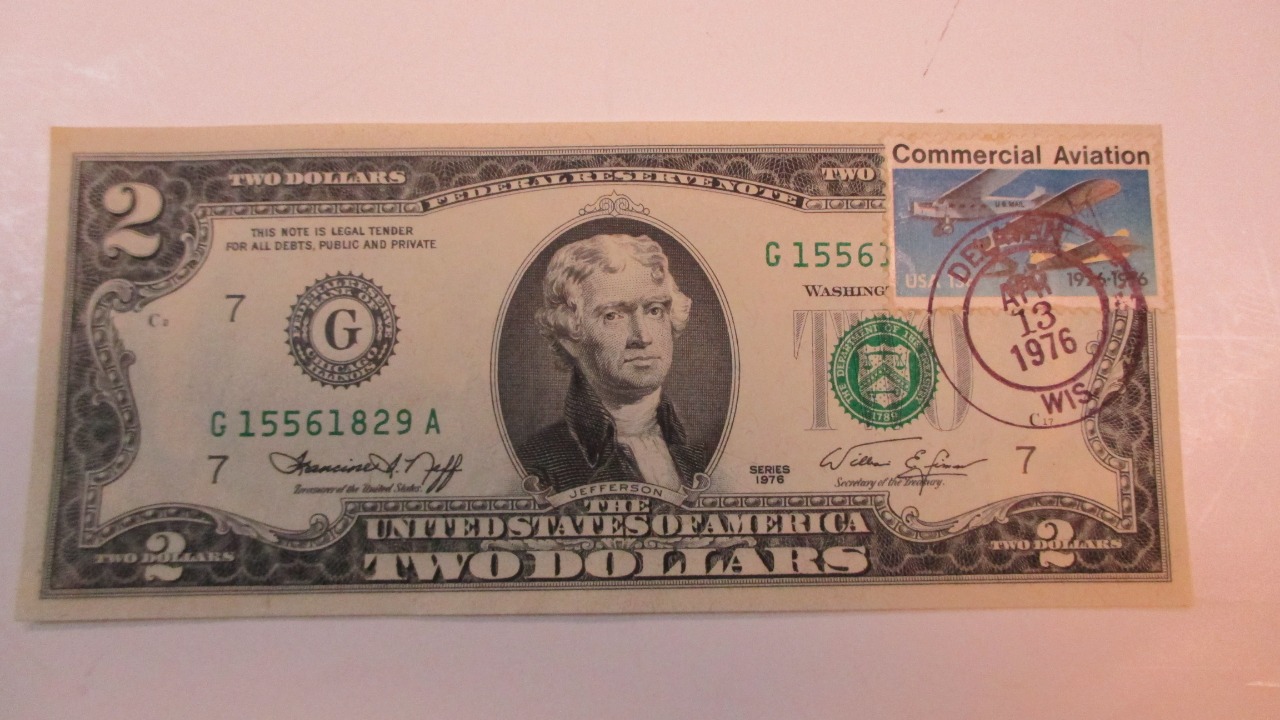
A $2 bill’s serial number can significantly impact its value. Collectors often look for unique serial numbers, such as those with low numbers, repeating patterns, or palindromes. These unique patterns can make a seemingly ordinary bill worth much more than its face value. For instance, a $2 bill with a serial number of 00000001 or one with a sequence like 12345678 can be highly sought after by collectors.
Misprints and errors are another factor that can dramatically increase a $2 bill’s value. Collectors are willing to pay a premium for bills with printing errors, which are considered rare and intriguing. These errors can range from misaligned prints to missing sections of ink. Historical and commemorative issues also play a significant role in determining a bill’s worth. Special series, such as those released to commemorate significant events, can be particularly valuable. For example, the 1976 series of $2 bills marked the United States Bicentennial and has become a collector’s favorite due to its historical significance.
How to Determine the Value of Your $2 Bills
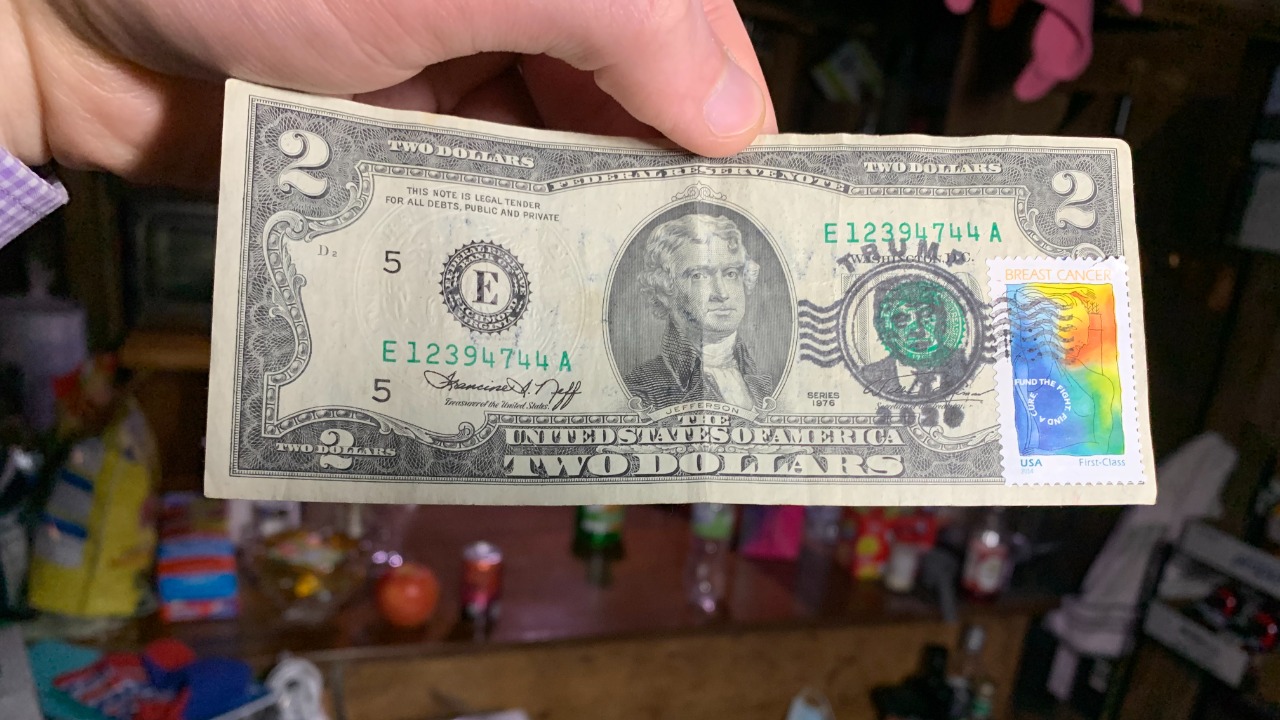
The condition of a $2 bill is crucial in determining its value, and collectors use a grading system to assess this. Bills in mint condition, without any creases, tears, or stains, are more valuable than those that show signs of wear. The grading system ranges from “Poor” to “Gem Uncirculated,” with different grades reflecting the bill’s condition and overall appearance.
Seeking a professional appraisal is advisable if you suspect your $2 bill might be valuable. Appraisers have the expertise and knowledge to accurately determine a bill’s market value. Additionally, keeping an eye on current market trends and demand in the collector market can provide insights into the potential worth of your $2 bills. As with any collectible, the value can fluctuate based on market interest and demand, making it essential to stay informed.
Where to Sell or Trade Your Valuable $2 Bills
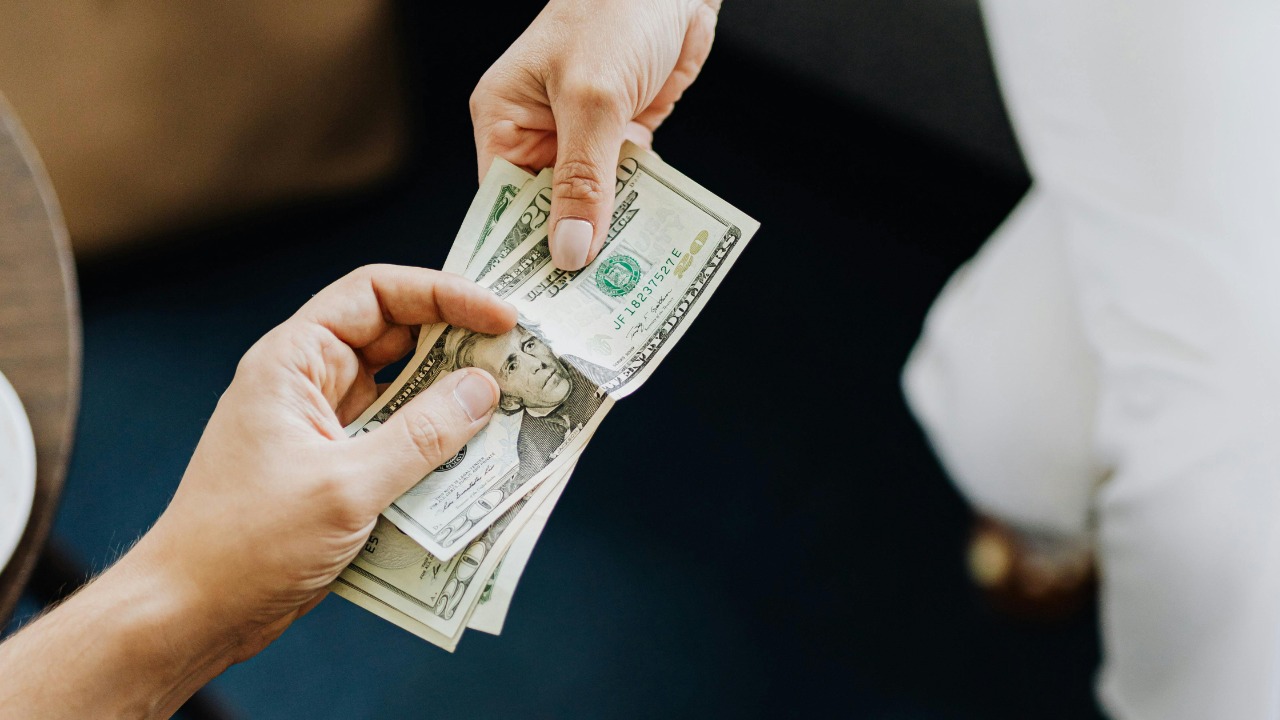
Once you’ve determined the value of your $2 bills, there are several avenues to explore for selling or trading them. Auction houses and collectibles markets are excellent places to start, as they often attract serious collectors willing to pay top dollar for rare finds. Online platforms and collector communities also provide a space for buying, selling, and trading valuable currency. Websites like eBay and specialized currency forums can connect you with potential buyers worldwide.
Local currency and coin shows are another option for those looking to sell or trade their $2 bills. These events attract enthusiasts and experts who can offer insights into the collector market. Attending these shows can also provide an opportunity to learn more about currency collecting and network with other collectors. Whether you’re looking to sell or simply gain a deeper understanding of the market, these venues offer valuable opportunities.
Stories and Anecdotes from Collectors

The world of $2 bill collecting is filled with intriguing stories of notable finds and sales. For instance, a $2 bill with an unusual misprint was once sold at auction for a significant sum, illustrating the potential value hidden in these seemingly ordinary pieces of currency. Collectors often share anecdotes of unexpected treasures discovered in their collections, such as a rare serial number or a misprinted bill that turned out to be a valuable find.
Experts in the field offer valuable tips for managing a collection effectively. They advise collectors to focus on aspects like condition, rarity, and historical significance when evaluating a $2 bill’s potential value. Engaging with collectors’ communities can provide further insights and advice. Platforms such as TikTok and YouTube often feature videos and discussions among collectors, offering a wealth of information and shared experiences.

Cole Whitaker focuses on the fundamentals of money management, helping readers make smarter decisions around income, spending, saving, and long-term financial stability. His writing emphasizes clarity, discipline, and practical systems that work in real life. At The Daily Overview, Cole breaks down personal finance topics into straightforward guidance readers can apply immediately.
