
Finding ways to reduce grocery bills can make a significant difference in your monthly budget. Simple swaps and strategic choices can help you save money without sacrificing quality or nutrition. Consider these nine practical tips to make your grocery shopping more affordable.
Embrace Seasonal Produce
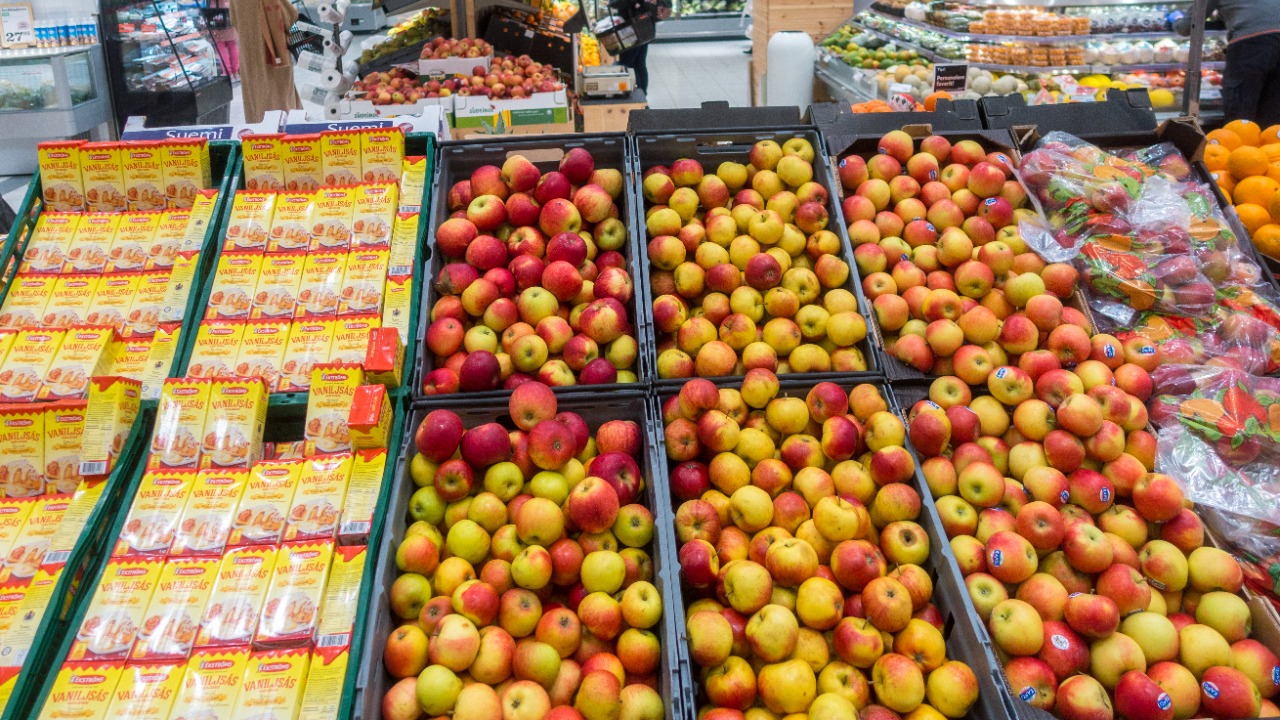
Seasonal produce is often cheaper, fresher, and more nutritious. By choosing fruits and vegetables that are in season, I can enjoy better flavor while paying less. For example, apples are abundant in the fall, while strawberries are at their peak in the summer. Local farmer markets and community-supported agriculture (CSA) programs offer great deals on seasonal produce. If you’re unsure about what’s in season, a quick online search or a visit to this guide can help you plan your shopping list accordingly.
Opt for Store Brands

Store brands often provide the same quality as name-brand products but at a fraction of the price. By switching to these brands, I can cut costs significantly without compromising on taste or quality. Many stores offer their own line of products ranging from canned goods to household items. I’ve found that trying out store brands for staples like pasta, rice, and dairy can result in substantial savings over time. Additionally, some store brands are made by the same manufacturers as the name brands, providing similar quality at a lower price.
Bulk Up on Staples
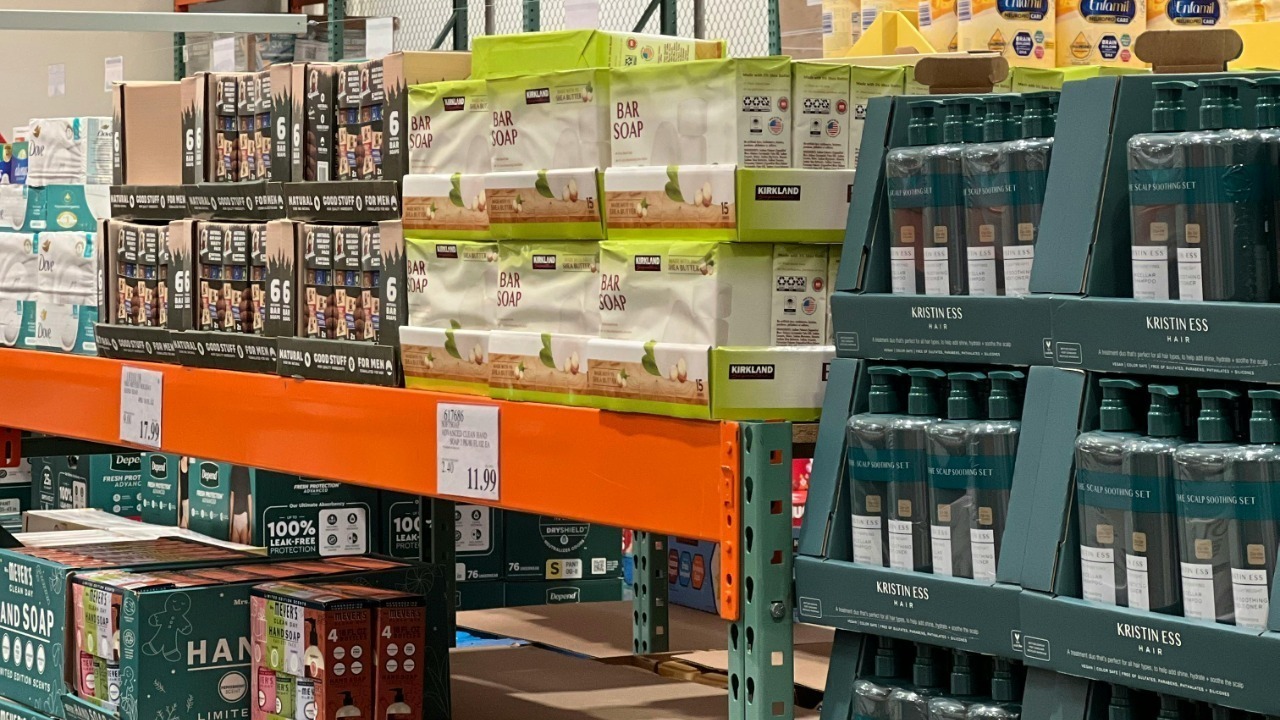
Buying in bulk is a smart way to save money on non-perishable items like rice, beans, and pasta. Not only is it cheaper per unit, but it also means fewer trips to the store. I often shop at warehouse stores or take advantage of bulk sections in supermarkets to stock up on essentials. This approach not only saves money but also time, as I have a ready supply of staple items on hand. To make the most of bulk buying, I ensure I have enough storage space and only purchase items that I frequently use.
Choose Frozen Over Fresh

Frozen fruits and vegetables can be just as nutritious as fresh ones, and they often come at a lower cost. I find that these options are particularly useful for items that are out of season or have a short shelf life. By keeping a variety of frozen fruits and vegetables on hand, I can easily incorporate them into meals without worrying about spoilage. Plus, frozen produce is often pre-washed and pre-cut, saving me time in meal preparation. For tips on maximizing savings with frozen foods, this article offers valuable insights.
Ditch Pre-Packaged Snacks

Pre-packaged snacks are convenient but often come with a higher price tag and unnecessary packaging. By making my own snacks, I can save money and reduce waste. Simple snacks like homemade trail mix, popcorn, and granola bars are easy to prepare and cost-effective. I also enjoy experimenting with different recipes to create healthy and delicious treats. Preparing snacks in bulk and storing them in reusable containers is another way I cut down on costs and contribute to a more sustainable lifestyle.
Switch to Plant-Based Proteins

Plant-based proteins such as lentils, chickpeas, and tofu are not only nutritious but also budget-friendly. By incorporating these alternatives into my diet, I can lower my grocery bills while maintaining a balanced diet. Plant-based proteins are versatile and can be used in a variety of dishes, from hearty stews to refreshing salads. Additionally, reducing meat consumption can have positive environmental impacts, making this swap both economically and ethically beneficial. For more inspiration on plant-based cooking, this resource offers creative meal ideas.
Go for Whole Grains

Whole grains like brown rice, quinoa, and oats are not only healthier but also more filling than their refined counterparts. By choosing whole grains, I can reduce my overall consumption while enjoying more nutrients in every bite. Whole grains are often available in bulk, making them an economical choice for pantry staples. They can be used in a variety of meals, from breakfast porridge to dinner side dishes. Incorporating whole grains into my diet has helped me stay fuller longer and cut unnecessary spending on snacks.
Brew Your Own Coffee

Skipping the daily coffee shop visit and brewing my own coffee at home has been a game-changer for my budget. A quality coffee maker and a bag of good beans can provide a rich and satisfying brew without the hefty price tag of a café purchase. I enjoy experimenting with different brewing methods and flavors to create my perfect cup. By making coffee at home, I can save a substantial amount each month, which adds up quickly over time. For more budget-friendly tips, this article offers practical advice.
Make Homemade Cleaning Solutions

Commercial cleaning products can be expensive, but many effective cleaning solutions can be made with ingredients already in my pantry. Simple mixtures of vinegar, baking soda, and lemon can tackle a variety of cleaning tasks without the harmful chemicals found in store-bought products. By making my own cleaning solutions, I not only save money but also create a healthier home environment. There are countless recipes available online, allowing me to customize the scent and strength of each solution to suit my needs. This approach is both economical and environmentally friendly.

Cole Whitaker focuses on the fundamentals of money management, helping readers make smarter decisions around income, spending, saving, and long-term financial stability. His writing emphasizes clarity, discipline, and practical systems that work in real life. At The Daily Overview, Cole breaks down personal finance topics into straightforward guidance readers can apply immediately.
