
Baby boomers are often characterized by their extensive collections of items stored in attics, basements, and garages. From vintage vinyl records to antique furniture, these treasures often hold both sentimental and financial value. The reasons why boomers keep wealth in the attic reveal much about their personal histories and financial strategies, as well as the evolving cultural landscape that they have witnessed and shaped.
The Sentimental Value of Heirlooms

For many boomers, items stored away in attics are more than just objects; they are vessels of cherished memories and emotional connections. A dusty box of photographs, a collection of old toys, or a well-worn piece of furniture may all serve as powerful reminders of childhood, family gatherings, and significant life milestones. It’s not uncommon for boomers to hold onto these items as a way to stay connected to their past, a tangible link to a bygone era that holds personal significance. The emotional attachment to these items often outweighs their practical use, making them hard to part with.
Moreover, boomers often see these possessions as a way to preserve family history and legacy. Heirlooms passed down through generations carry stories and traditions that boomers hope to impart to their children and grandchildren. By holding onto these items, they aim to create a sense of continuity and identity within their families. This legacy preservation extends beyond mere objects; it encompasses the experiences and stories that these items symbolize, creating a rich tapestry of family history that future generations can appreciate and learn from.
The Financial Potential of Vintage Items

Beyond their sentimental value, many of the items tucked away in attics have the potential to become valuable assets. It’s not uncommon for boomers to discover that their collections of vinyl records, antique furniture, or vintage toys have appreciated significantly over time. For instance, the resurgence of interest in vinyl records has transformed what was once considered old-fashioned into a sought-after commodity, with rare records fetching high prices among collectors.
Understanding current market trends can reveal the hidden worth of seemingly mundane attic items. As tastes and interests shift, what was once considered clutter can become highly desirable. The growing popularity of mid-century modern furniture, for example, has led to a renewed interest in pieces from the 1950s and 60s, leading to increased demand and higher prices. This phenomenon is not limited to furniture alone; items like first-edition books, classic cars, and even vintage electronics can hold significant financial potential if they align with current collector interests and trends.
Cultural Shifts and the Accumulation of Stuff
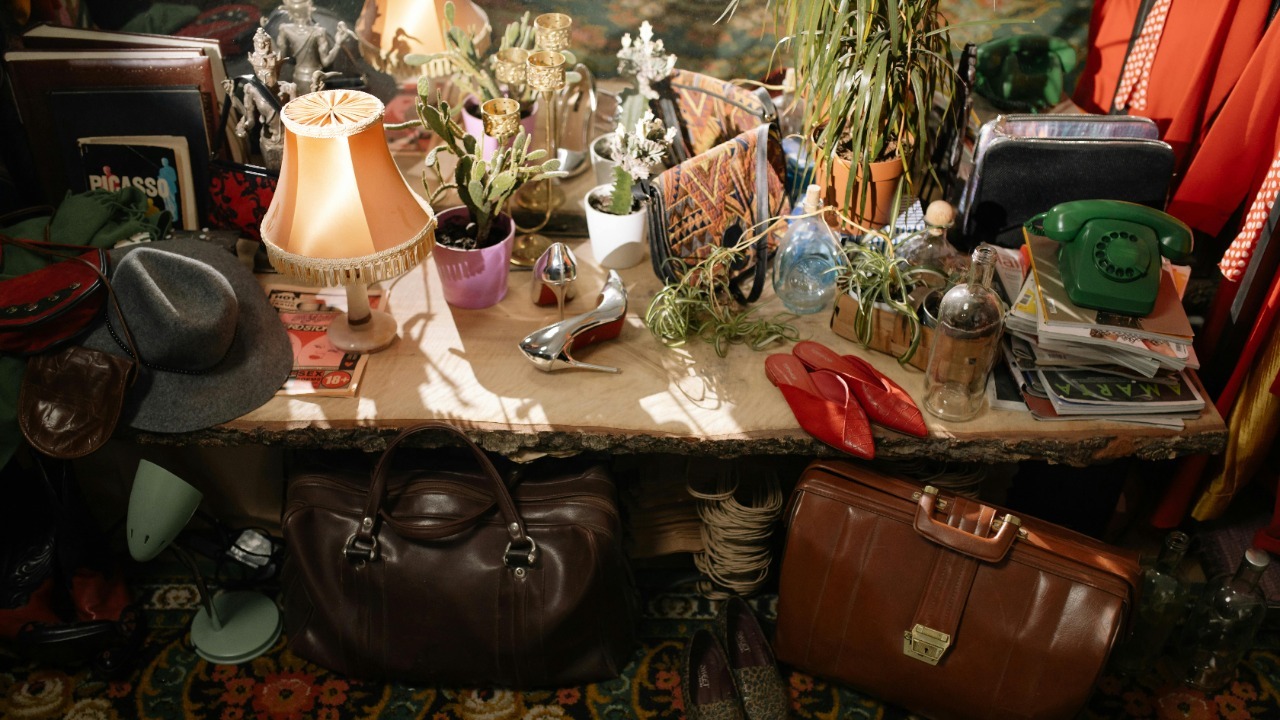
The post-war economic boom significantly shaped the consumption habits of the boomer generation. With increased prosperity came a surge in consumerism, leading to the accumulation of a vast array of material goods. For many boomers, acquiring possessions became a symbol of success and stability, a way to enjoy the fruits of their labor and provide for their families. The abundance of goods available in the market made it easy to collect and store items, contributing to the wealth of treasures found in attics today.
However, cultural perspectives on material possessions have shifted over time. Today’s younger generations often embrace minimalism, prioritizing experiences over physical items. This change can be partially attributed to economic factors, such as the rising cost of living and the desire for mobility and flexibility. The generational divide in valuing possessions can present challenges for boomers who wish to pass down their collections to descendants who may not share the same appreciation for physical items.
Boomers’ Financial Strategies

As they approach retirement, some boomers are reevaluating their financial strategies, opting for approaches that prioritize enjoying their wealth during their lifetime. The “Die with Zero” philosophy has gained traction among those who wish to focus on spending and experiencing life rather than solely saving for the next generation. This shift in mindset reflects a desire to maximize enjoyment and fulfillment in their later years, even if it means passing on less financial inheritance. A recent trend highlights how some boomers are embracing this approach, challenging traditional notions of wealth preservation.
Despite these evolving attitudes, many boomers continue to view tangible assets as a vital component of their financial strategy. Investing in items like art, collectibles, or real estate can provide a sense of security and stability, as well as the potential for appreciation over time. This preference for physical assets over purely financial investments reflects a broader understanding of wealth that encompasses both emotional and monetary value. Boomers’ inclination to invest in tangible items demonstrates a nuanced approach to wealth preservation that balances personal fulfillment with financial prudence.
The Generational Divide in Valuing Possessions

The generational divide in how possessions are valued can be a source of tension and misunderstanding between boomers and younger generations. While boomers may see their collections as an important part of their legacy, younger family members may struggle to appreciate the significance or utility of these items. This disconnect can lead to practical challenges when it comes to passing down heirlooms, as well as emotional dilemmas about the future of family treasures.
To navigate these differences, boomers may need to adapt their approach to their collections. This could involve reassessing the value of their possessions in light of changing tastes and trends, as well as considering options like decluttering or selling off valuable items. By engaging in open discussions with their families and staying informed about market trends, boomers can make informed decisions about the future of their collections. Ultimately, understanding and bridging the generational divide requires empathy, communication, and a willingness to embrace change, ensuring that the wealth stored in attics can continue to hold meaning and value for years to come.

Cole Whitaker focuses on the fundamentals of money management, helping readers make smarter decisions around income, spending, saving, and long-term financial stability. His writing emphasizes clarity, discipline, and practical systems that work in real life. At The Daily Overview, Cole breaks down personal finance topics into straightforward guidance readers can apply immediately.
