Buy now, pay later has become shorthand for impulse spending, but used deliberately it can function more like a short‑term budgeting tool than a trap. The upside of a spend‑now, pay‑later approach is not about dodging reality, it is about matching your cash flow to real life so you can cover big purchases without wrecking the rest of your month.
Handled with the same discipline you would bring to a credit card payoff plan, these installment options can smooth out spikes in your expenses, help you track where your money is going, and even protect you from some fees and interest that come with other forms of borrowing. The catch is that the benefits only show up when you build a clear budget around them instead of treating them as free money.
How buy now, pay later became a new kind of budget line
I see buy now, pay later as the latest version of an old idea: spreading out payments so a single purchase does not crush your monthly budget. The difference is that instead of a furniture store layaway plan, you now have apps like Klarna, Afterpay, Affirm, PayPal Pay in 4, and Apple Pay Later sitting right inside your checkout screen. These services let you split a purchase into equal installments, often over six weeks or a few months, which can make a $400 car repair or a $250 set of tires feel more manageable than paying in one shot.
That structure is exactly why some experts argue that splitting up your payments can help your budget when you are facing a necessary expense and do not have the cash on hand. Reporting from Nov 19, 2025 notes that breaking a purchase into smaller chunks can keep you from overdrafting your checking account or running up a high‑interest card, especially when the plan is interest free and clearly scheduled, which is how many mainstream providers design their splitting up your payments offers.
The upside: flexibility without traditional credit card interest
When I look at the appeal of these plans, the biggest upside is the chance to get short‑term flexibility without the long tail of compounding interest that comes with many credit cards. Instead of carrying a revolving balance at 20 percent or more, you agree to a fixed number of payments that end on a specific date. For someone trying to keep a budget on track, that certainty can be powerful, because you know exactly how much of your paycheck is already spoken for and when that obligation will disappear.
Guidance published on Aug 7, 2024 describes Buy Now, Pay Later as a popular alternative payment method that a growing number of shoppers are using in place of traditional credit, and it notes that these plans can make sense when you are confident you can afford the installments and want to avoid interest entirely. Used this way, a structured plan can be a tool to time a purchase around your income cycle, especially if you treat the installments as a non‑negotiable bill in your budget and lean on Buy Now, Pay Later only when it truly fits.
Why a dedicated BNPL budget changes everything
The real turning point, in my view, is when you stop treating these plans as one‑off decisions and start giving them their own line in your monthly budget. That means adding up every active installment plan, from your new laptop to the sneakers you grabbed on sale, and deciding how much of your income you are willing to commit to those payments before you click “confirm” on anything else. Once you do that, spend‑now, pay‑later stops being a surprise and becomes a predictable part of your financial plan.
On Apr 15, 2025, one detailed guide laid out how a dedicated buy now, pay later budget can help you track all your BNPL purchases in one place, even when you are buying from a variety of merchants and apps. The advice is to subtract all of these expenses from your income just as you would any other bill, which forces you to see the full picture of your obligations instead of relying on scattered app notifications. That kind of structure is what turns a potentially risky tool into a disciplined system, especially when you follow the suggestion to use a simple worksheet or app to keep Better tracking of all your BNPL purchases.
How the services actually work, and where the savings hide
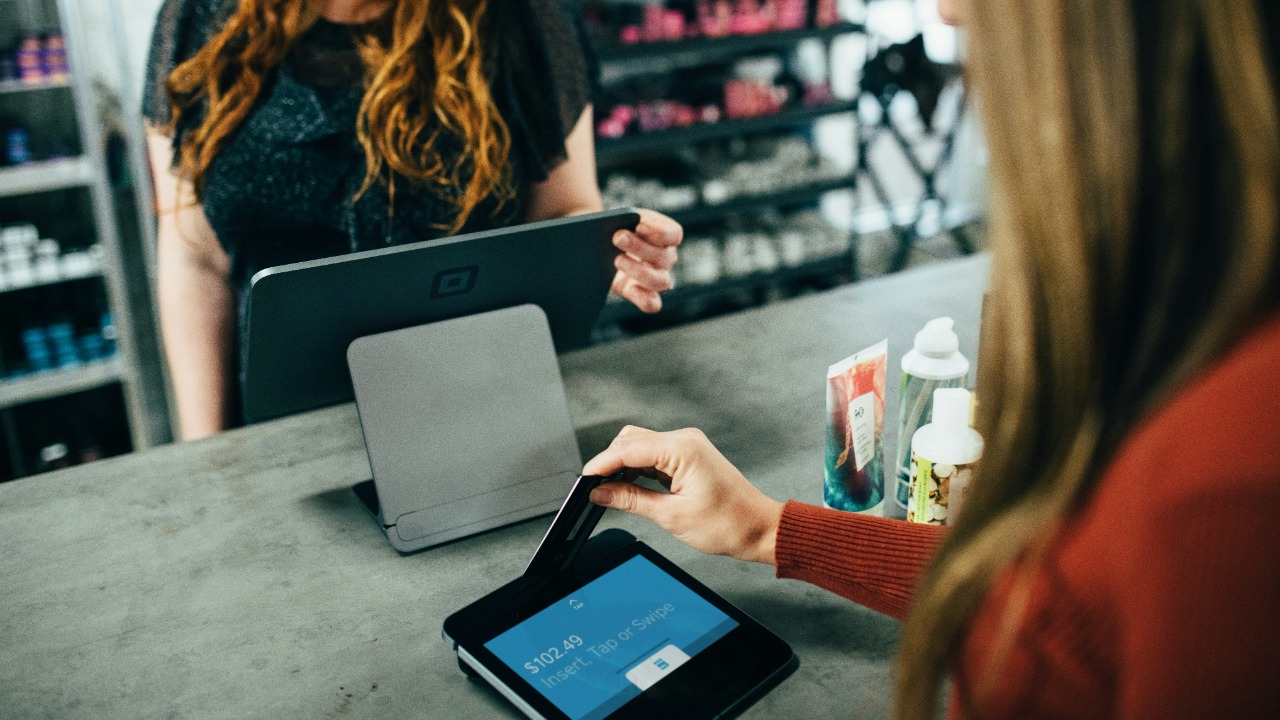
To get the upside of a spend‑now, pay‑later budget, you have to understand how these services operate behind the scenes. Most providers run a quick approval at checkout, set up a fixed schedule of payments, and then pull those installments automatically from your debit card or bank account. If you pay on time, many plans charge no interest at all, which is where the potential savings come in compared with carrying a balance on a standard credit card.
Earlier coverage from Oct 16, 2020 walked through the ins and outs of these services and explained that when you follow the schedule and avoid late payments, you can often avoid interest and fees entirely. That is the quiet advantage: if you are disciplined, you can borrow for a short period at a cost that is effectively zero, which is very different from the open‑ended interest on a revolving card. The key is to treat the automatic withdrawals as fixed bills and to remember that, as one explainer on The Ins and Outs of these plans stresses, the interest‑free promise only holds if you stay ahead of the due dates.
Using BNPL to smooth real‑world expenses, not fuel impulse buys
Where I see the most constructive use of buy now, pay later is in smoothing out real‑world costs that are hard to avoid. Think about replacing a failing refrigerator, paying for a semester’s worth of textbooks, or covering a surprise vet bill for your dog. In those moments, the choice is often between putting the charge on a high‑rate card, draining your emergency fund, or spacing it out over a few paychecks. A well‑planned installment schedule can keep your budget intact while you deal with the problem in front of you.
Reporting from Nov 19, 2025 points out that these plans can help your budget when you are facing a necessary purchase and need to split it into smaller, predictable chunks so it fits alongside rent, utilities, and groceries. The same coverage warns that the benefit disappears if you start using BNPL for every tempting sale or limited‑edition drop, because the stack of small payments quickly turns into a heavy monthly load. The upside only shows up when you reserve these tools for needs rather than wants, a distinction that also sits at the heart of practical Tips to help manage your buy now, pay later loans.
The discipline that unlocks the “spend‑now, pay‑later” upside
For a spend‑now, pay‑later budget to work in your favor, you have to approach it with the same discipline you would bring to a debt payoff plan. That starts with a hard cap on how much of your monthly income you are willing to devote to BNPL installments, whether that is 5 percent, 10 percent, or another number that fits your situation. Once you hit that ceiling, you stop taking on new plans, no matter how attractive the checkout offer looks.
Guides published on Aug 7, 2024 and Apr 15, 2025 both emphasize that these tools make sense only when you can comfortably afford the payments and have a clear view of every active plan. That means reading the fine print, understanding what happens if a payment fails, and building reminders into your calendar so you never miss a due date. When you combine that kind of structure with the built‑in advantages of fixed, interest‑free installments, you get the real upside of a spend‑now, pay‑later approach: a budget that bends with your life without quietly breaking underneath it.
More From TheDailyOverview
- Dave Ramsey warns to stop 401(k) contributions
- 11 night jobs you can do from home (not exciting but steady)
- Small U.S. cities ready to boom next
- 19 things boomers should never sell no matter what

Cole Whitaker focuses on the fundamentals of money management, helping readers make smarter decisions around income, spending, saving, and long-term financial stability. His writing emphasizes clarity, discipline, and practical systems that work in real life. At The Daily Overview, Cole breaks down personal finance topics into straightforward guidance readers can apply immediately.
