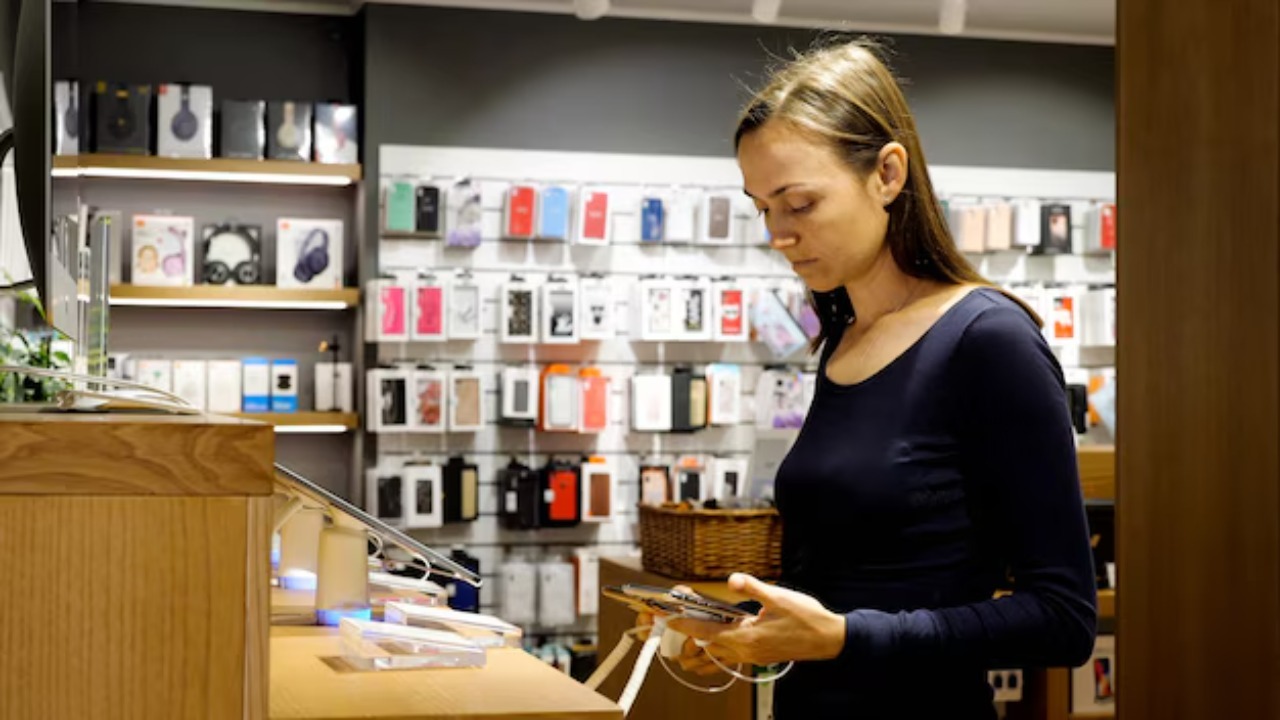
Buying new often feels like the safest, smartest move, yet the real costs quietly pile up in ways most budgets never track. From phones and cars to clothes and streaming gear, upgrades can drain hundreds or thousands of dollars more than repairing, reusing, or buying used. Here are 11 places where “brand new” quietly costs far more than you think, and how those hidden price tags show up over time.
1) The Hidden Upgrade Trap in Smartphones
The hidden upgrade trap in smartphones starts with how often households replace devices instead of repairing them. In 2022, the average American household spent $1,200 on new smartphone upgrades, even though repair costs for older models typically run just $50 to $100 through services like uBreakiFix. That gap represents hundreds of dollars a year that could stay in a savings account instead of going to the latest camera bump or slightly faster processor. On top of the sticker price, carrier contracts often bury activation charges, upgrade fees, and installment interest that are easy to overlook when a salesperson spreads them across 24 or 36 months.
Those choices also have environmental and financial spillovers that rarely show up on a receipt. Replacing a working phone generates unnecessary e-waste, from lithium batteries to rare metals that are expensive to mine and recycle. When I factor in accessories that rarely fit the new model, like cases and chargers, the real cost of “keeping up” can double. Over a five year span, choosing repairs for $50 to $100 instead of automatic upgrades can free up thousands of dollars, while also reducing the pressure to sign long contracts that lock in higher monthly bills.
2) Cars’ Immediate Value Plunge
Cars’ immediate value plunge is one of the most dramatic examples of how buying new can quietly punish a budget. New vehicles typically depreciate 20 to 30 percent in the first year, which means a big slice of the purchase price simply evaporates as soon as the car leaves the lot. A 2023 Ford F-150, for instance, can lose $10,000 in value almost immediately after purchase, according to pricing data from Kelley Blue Book. That loss is not spread over years of use, it hits right away, even if the truck is driven only a few miles.
Certified pre-owned models, by contrast, are documented to retain about 80 percent of their value, because the steepest part of the depreciation curve has already passed. I see this play out in insurance and financing too, since premiums and interest are often tied to the original purchase price, not the quickly reduced market value. For households, the stakes are clear, choosing a nearly new certified vehicle can mean lower monthly payments, slower depreciation, and more equity left in the car when it is time to sell or trade in.
3) Fast Fashion’s Maintenance Sneak Attack
Fast fashion’s maintenance sneak attack shows up after the thrill of a cheap haul fades. Clothing from brands like H&M often costs just $20 to $50 per piece, which makes frequent shopping feel harmless. Yet many of these garments require dry cleaning at $15 to $20 per item, a recurring cost that quickly outstrips the initial bargain. Reporting on sustainable fashion economics has found that for frequent buyers, those cleaning bills can accumulate to about $500 annually, even before factoring in replacements when seams split or fabrics pill.
Because fast fashion is designed around rapid trend cycles, items are rarely built to withstand years of wear or repeated professional cleaning. I find that consumers end up paying in three ways, the purchase price, the ongoing maintenance, and the opportunity cost of closets filled with pieces that do not last. Over time, a smaller wardrobe of durable, washable garments can be cheaper than a constant stream of “cheap” outfits that quietly demand expensive care and frequent replacement.
4) Battery Replacements in New Gadgets
Battery replacements in new gadgets highlight how warranty fine print can turn a shiny purchase into a long term expense. For an iPhone 14, a battery replacement under warranty is free, but once that coverage ends, the official out of warranty price from Apple is $99. Separate reporting on service pricing, including analysis from CNET, confirms that $99 figure as the standard charge listed on Apple’s iPhone Battery service page. In contrast, a 2022 investigation into right to repair found that third party shops often replace batteries in older models for about $30.
That gap matters because batteries are consumables, not rare failures. As devices age, performance drops and owners feel nudged toward full upgrades instead of simple fixes. I see a pattern where people treat a weak battery as a reason to buy a new phone or tablet, even though a $30 to $99 repair could restore years of usable life. When multiplied across a household’s phones, tablets, and laptops, choosing official replacements or full upgrades every few years can quietly add hundreds of dollars to the total cost of ownership.
5) Energy-Hungry New Appliances
Energy hungry new appliances show how marketing around “latest models” can obscure higher running costs. A new Whirlpool washer might carry a price tag of $800, yet efficiency ratings indicate that some current units have energy bills about 15 percent higher than efficient 10 year old models. According to 2023 data from Energy Star, that difference can add roughly $150 per year to a household’s utility costs. Over a typical decade of use, the extra electricity and water spending can exceed the original purchase price of the machine.
Part of the problem is that not every new appliance is optimized for long term efficiency, some prioritize larger capacity, extra cycles, or smart features that draw standby power. When I compare total cost of ownership, an older, well maintained high efficiency washer can outperform a flashy new model that looks modern but sips more energy. For families, the stakes are not just higher monthly bills, but also the risk of replacing a still efficient appliance prematurely, locking in years of avoidable operating costs.
6) Furniture’s Short-Lived New Shine
Furniture’s short lived new shine becomes obvious when particleboard pieces start to sag or swell. New furniture from retailers like IKEA often relies on particleboard and thin veneers that look crisp on delivery but can warp within about five years. When shelves bow or joints loosen, many households end up spending another $300 to $500 on replacements, effectively turning what seemed like a one time purchase into a recurring subscription. A 2022 durability study from This Old House contrasted that pattern with solid wood vintage pieces that can last for decades with minor refinishing.
Shorter lifespans also carry hidden costs in time and hassle, from reassembling new flat pack units to arranging disposal of broken items. I find that buyers often underestimate how quickly a low price can be erased by repeated replacements. Choosing secondhand solid wood dressers or tables, even at a slightly higher upfront cost, can spread the expense over a much longer period, reducing both landfill waste and the long term hit to a household budget.
7) EV Batteries’ Long-Term Bite
EV batteries’ long term bite shows up years after the excitement of a new electric car purchase. For a 2023 Tesla Model 3, reporting has highlighted that its large battery pack is expected to degrade after about eight years, at which point replacement can cost between $5,000 and $15,000. Those figures are often tucked into warranty language and fine print, rather than front and center in showroom conversations. A detailed ownership review of a Tesla Model After Years Costs Battery Degradation Pros underscores how battery health becomes a central factor in long term value.
Because the battery is the single most expensive component in many electric vehicles, its eventual replacement cost can rival the price of a used car. I see this as a crucial budgeting issue for buyers who plan to keep an EV beyond the warranty period or purchase one secondhand. If a vehicle needs a $10,000 battery a few years into ownership, the total cost can quickly outstrip what a comparable gasoline car would have cost to buy and maintain, even after accounting for fuel savings.
8) Laptops’ Forced Obsolescence Cycle
Laptops’ forced obsolescence cycle illustrates how buying new does not always buy more usable years. New laptops from brands like Dell often start at $1,000 or more, yet a 2024 hardware longevity report found that many models become effectively obsolete in about three years because of software incompatibility. Operating systems and productivity apps move on, leaving perfectly functional hardware struggling with updates or unable to run current versions. In contrast, refurbished units that are a generation or two behind can run the current OS for roughly half the price, according to analysis from PC Magazine.
That dynamic means the premium for “latest and greatest” often buys features that outpace what most users actually need for email, browsing, and office work. I see students and small businesses in particular paying for high end specs that are underused, then facing another big outlay when support windows close. By choosing a well specced refurbished machine and planning for incremental upgrades, it is possible to cut hardware spending significantly without sacrificing day to day performance.
9) Underused Kitchen Gadgets’ Waste
Underused kitchen gadgets’ waste becomes clear when cabinets fill with barely touched appliances. Popular devices like the Instant Pot often cost around $100, yet a 2021 survey on consumer clutter found that about 60 percent of owners discard these kinds of gadgets within two years. Reporting from NPR linked that pattern to impulse buying and unrealistic expectations about how often people will cook elaborate meals at home. The financial hit is not just the initial $100, but also the cumulative cost of other novelty tools that follow the same trajectory.
Storage space has value too, especially in smaller homes where every cabinet or counter is at a premium. I notice that when people feel overwhelmed by clutter, they are more likely to buy organizational products or even rent storage units, adding another layer of expense. A more deliberate approach, borrowing or testing gadgets before buying, or sticking to a few versatile tools, can prevent a slow drip of wasted money on appliances that never earn their keep.
10) Tires’ Accelerated Wear on New Rides
Tires’ accelerated wear on new rides shows how design trends can shorten lifespan and raise recurring costs. A new set of SUV tires typically costs about $800, yet modern low profile designs are documented to wear about 20 percent faster than older, taller radials. Testing from Consumer Reports in 2023 found that many of these newer tires need replacement around 30,000 miles, compared with roughly 50,000 miles for previous generation radial designs. That means drivers may be buying nearly twice as many sets over the life of the vehicle.
Shorter tread life also affects safety and resale value, since worn tires can hurt braking performance and become a negotiation point when selling a used car. I see owners of crossovers and performance oriented SUVs in particular surprised by how quickly factory equipped tires wear out. Choosing alternative sizes or touring oriented models, where compatible, can extend mileage and reduce the long term cost per mile, even if the initial purchase price is similar.
11) Streaming’s Hardware Upgrade Push
Streaming’s hardware upgrade push is a quieter way that entertainment spending creeps up. Services like Netflix often promote 4K streaming that assumes households have compatible smart TVs or streaming boxes, nudging people toward new device purchases in the $50 to $100 range. A 2022 analysis of media consumption economics found that these hardware upgrades can add roughly $200 per year to overall viewing costs when families replace or add screens to keep up. In contrast, cable or other alternatives that reuse existing televisions avoid that recurring hardware churn, relying on set top boxes that are typically included in the subscription.
Those incremental purchases are easy to overlook because they are spread across Black Friday deals, impulse buys, and “upgrades” when a living room TV is moved to a bedroom. I find that when households tally the cost of multiple smart TVs, streaming sticks, and soundbars bought to enhance new subscriptions, the total rivals or exceeds what they once paid for bundled cable. Being intentional about which screens truly need 4K or app support, and using existing devices where possible, can keep streaming from becoming yet another upgrade treadmill.
More From TheDailyOverview
- Dave Ramsey warns to stop 401(k) contributions
- 11 night jobs you can do from home (not exciting but steady)
- Small U.S. cities ready to boom next
- 19 things boomers should never sell no matter what

Cole Whitaker focuses on the fundamentals of money management, helping readers make smarter decisions around income, spending, saving, and long-term financial stability. His writing emphasizes clarity, discipline, and practical systems that work in real life. At The Daily Overview, Cole breaks down personal finance topics into straightforward guidance readers can apply immediately.
