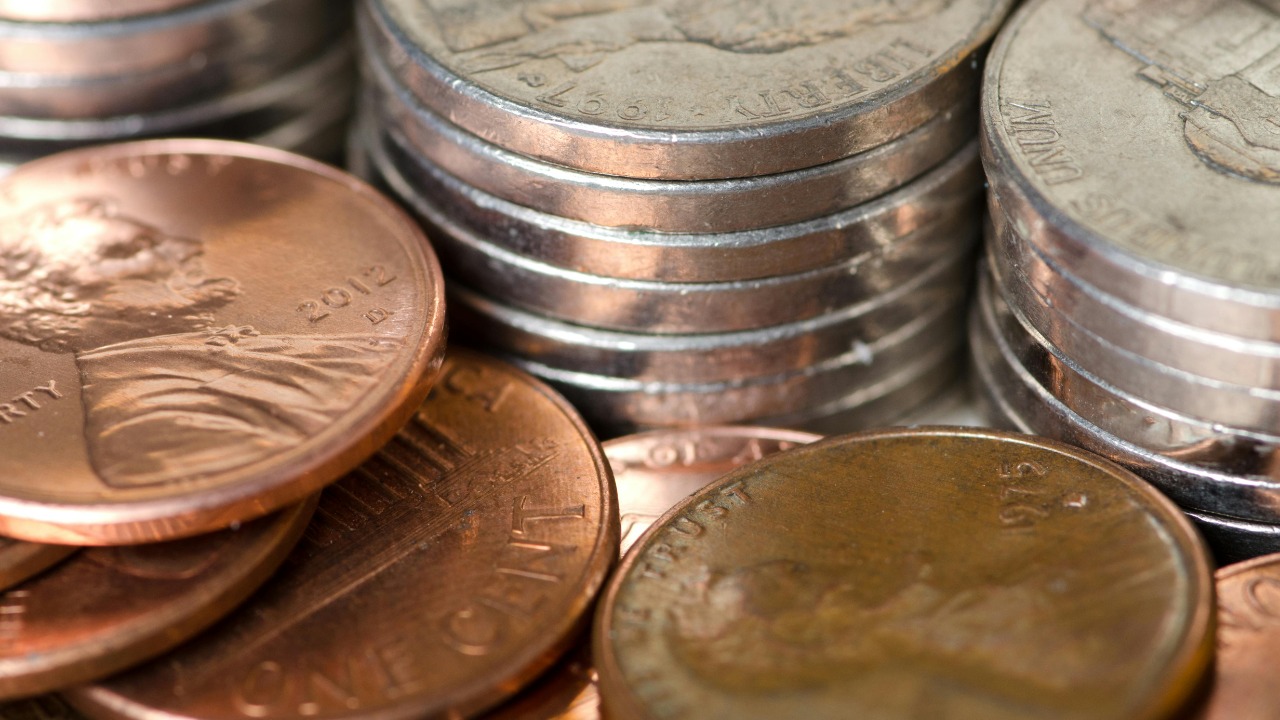
Nickels have quietly become one of the U.S. Mint’s most expensive coins to produce, and policymakers are openly weighing whether it still makes sense to strike them in their current form after 2026. If minting is cut or the metal content changes, the five-cent pieces already in your pocket could shift from forgettable change to a small but real financial asset.
I want to walk through what that would mean in practical terms, from the economics of the nickel itself to how collectors, savers, and everyday consumers might respond if production slows or stops. The goal is not to hype a “get rich quick” angle, but to map out clear, evidence-backed options for what to do with the nickels you already have and the ones you might deliberately set aside over the next few years.
Why the U.S. nickel is on the chopping block
The modern U.S. nickel costs more to make than its face value, which is the core reason it is under scrutiny. The Mint has reported for years that the per-coin cost of producing a five-cent piece, once metal, labor, and overhead are counted, has exceeded 5 cents, turning every new nickel into a small loss for taxpayers. That gap has widened as commodity prices for copper and nickel have swung higher, and as the Mint has faced broader cost pressures that also affect pennies and some higher denominations, according to recent production cost data.
At the same time, cash usage has been sliding as card payments and apps like Cash App, Venmo, and Apple Pay handle more everyday transactions. The Federal Reserve has documented a steady decline in the share of in-person purchases made with physical currency, which reduces the practical need for low-value coins in circulation and makes the nickel’s negative seigniorage harder to justify. Lawmakers and Treasury officials have already studied alternative alloys and potential denomination changes, and several recent policy reviews have flagged the five-cent piece as a prime candidate for redesign or reduced output once existing contracts and technical testing cycles run their course, as reflected in recent Congressional research.
How scarcity and metal value could affect existing nickels
If the Mint cuts back on striking nickels in 2026 or shifts to a cheaper alloy, the coins already in circulation will effectively become a “legacy” issue. History suggests that when a coin’s composition changes, the older version often trades at a premium to face value, even if only modestly, because collectors, bullion buyers, and nostalgic savers pull them out of circulation. The clearest precedent is the 1965 switch away from 90 percent silver in dimes and quarters, which turned pre-1965 pieces into small silver bullion units that now sell based on metal content rather than denomination, a pattern documented in long term monetary history.
Nickels are not silver, but their metal content still matters. Standard Jefferson nickels are a copper-nickel alloy, and during World War II the Mint briefly issued “war nickels” with 35 percent silver to conserve strategic nickel, a composition that now makes those 1942–1945 coins worth more than 5 cents in bullion terms alone. If policymakers adopt a cheaper mix for future nickels, the current alloy could become more attractive to metal-focused savers, especially if commodity prices for nickel and copper rise. Analysts who track coin melt values already monitor when the intrinsic metal value of a nickel approaches or exceeds 5 cents, and while it remains illegal to melt U.S. coins for profit, the underlying economics still influence how aggressively people hoard older issues, as reflected in periodic Treasury restrictions on melting cents and nickels.
Practical strategies for savers and small investors
For most people, the most realistic move is not to speculate on metal markets, but to be intentional about how they handle nickels that pass through their hands. One straightforward strategy is to separate out five-cent pieces from your change and store them in labeled containers, treating them as a low-risk, ultra-small-denomination savings pool. If minting is cut or the composition changes, you will already have a stash of “old-style” nickels that could be more attractive to collectors or dealers, similar to how some savers quietly pull pre-1982 copper pennies because of their higher metal content, a behavior that has been noted in government reviews of coinage policy.
Another practical step is to learn the key dates and designs that already command a premium so you do not accidentally spend them at face value. War nickels from 1942 to 1945, early Jefferson nickels in high grade, and older types like Buffalo nickels can be worth more than 5 cents even in circulated condition. Basic coin guides and price lists, many of which are updated regularly by numismatic organizations, show that common-date war nickels often trade at a multiple of face value because of their silver content, while scarcer dates and mint marks can be worth significantly more. By quickly checking the dates and mint marks on any unusual nickels you encounter, and setting aside those with clear collector interest, you can quietly upgrade the long term value of your change without committing large sums of new money, a tactic that aligns with the cautious approach recommended in several collector education resources.
What coin collectors and hobbyists are likely to do
Collectors tend to respond quickly when a denomination faces a design change or potential phaseout, and I expect the same pattern if nickel minting is cut in 2026. When the Mint has retired or redesigned coins in the past, such as the State Quarters program or the end of the Lincoln Memorial reverse on the cent, demand for complete sets and high grade examples has usually spiked as hobbyists rush to “finish the series.” Numismatic market reports show that even modest design tweaks can trigger short term price bumps for key dates and mint marks, and a more dramatic shift in composition or production volume for nickels would likely draw similar attention, as seen in prior series transitions.
Organized hobby groups are also likely to lobby for clarity and continuity, which can shape how any change is implemented. When policymakers have floated eliminating low-value coins in the past, collector associations have submitted comments urging that historic designs be preserved on commemoratives or that transition periods be long enough to allow the market to adjust. Public comment records from earlier debates over the penny and dollar coin show that these groups can influence details like mintage caps, special issues, and packaging, all of which affect scarcity and long term value. If you are already active in the hobby, staying plugged into club newsletters and Mint announcements will help you anticipate limited-run products or final-year issues that could become future keys, a pattern that has played out repeatedly in past Mint rulemakings.
Everyday spending, rounding, and the future of small change
Even if the Mint cuts nickel production, existing coins would remain legal tender, so the immediate impact on daily life would be subtle. Over time, though, fewer new nickels entering circulation could make exact-change transactions slightly less convenient, especially in cash-heavy settings like small diners, laundromats, and parking meters that still price in five-cent increments. Other countries that have reduced or eliminated low-value coins, such as Canada with its penny, have typically adopted rounding rules for cash purchases while leaving electronic payments unchanged, a pattern documented in international central bank studies that U.S. policymakers have already reviewed when considering coinage reforms.
For consumers, the most practical adjustment is to be aware of how retailers might handle rounding if small coins become scarcer. Evidence from countries that have already made similar changes suggests that when rounding is applied symmetrically, the net effect on prices is minimal, but the shift can still feel jarring at first. In the U.S., any move to reduce nickel output would likely be paired with guidance from Treasury and the Federal Reserve on best practices for pricing and rounding, and industry groups representing grocers and convenience stores have previously engaged with those agencies during debates over the penny. Watching how those trade associations respond, and how cash-heavy businesses adapt their pricing, will offer early clues about whether nickels remain central to everyday transactions or gradually become more of a niche, legacy coin, a trajectory outlined in several recent payments system reviews.
More From TheDailyOverview
- Dave Ramsey says these two simple questions show whether you’re rich or poor
- Retired But Want To Work? Try These 18 Jobs for Seniors That Pay Weekly
- IRS raises capital gains thresholds for 2026 and what’s new
- 12 ways to make $5,000 fast that actually work

Julian Harrow specializes in taxation, IRS rules, and compliance strategy. His work helps readers navigate complex tax codes, deadlines, and reporting requirements while identifying opportunities for efficiency and risk reduction. At The Daily Overview, Julian breaks down tax-related topics with precision and clarity, making a traditionally dense subject easier to understand.

