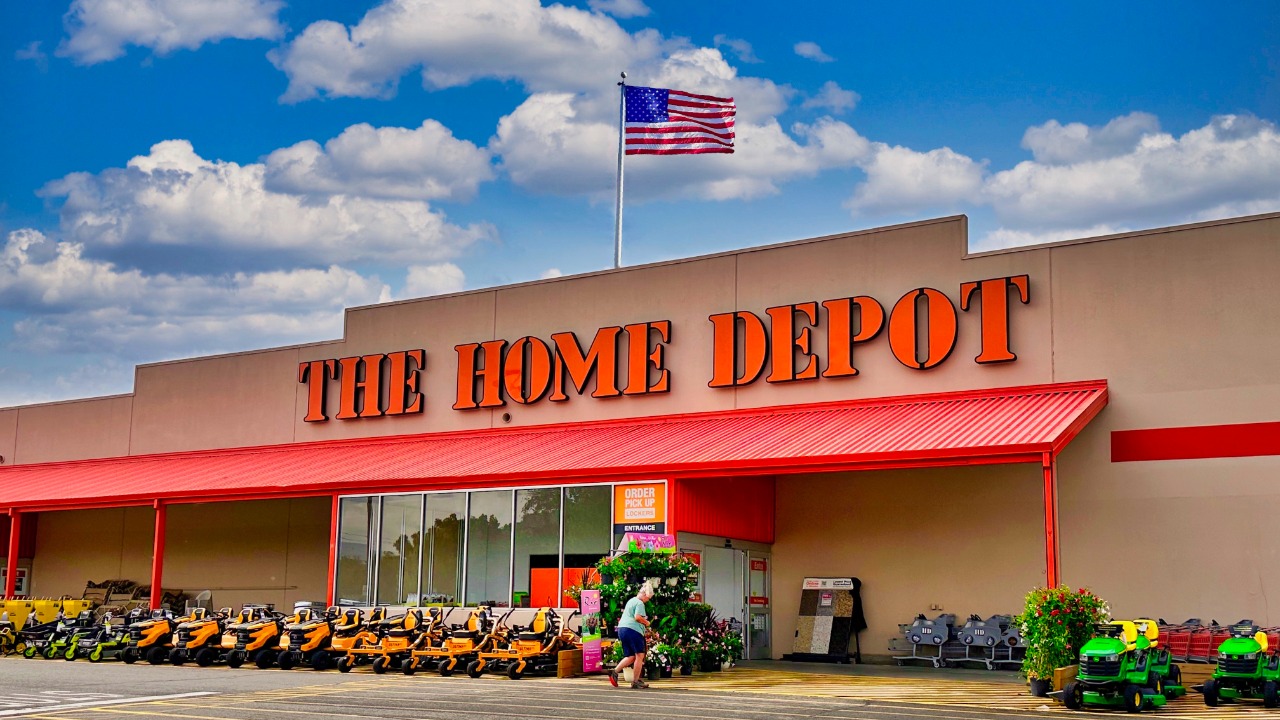
Home Depot is heading into the peak holiday shopping period under an unusual kind of pressure, with activists calling for what they describe as the chain’s largest boycott to date. The campaign is testing how far politically motivated consumer action can reach into a retailer that depends heavily on year‑end traffic from both do‑it‑yourself shoppers and professional contractors.
At stake is not only seasonal revenue but also Home Depot’s carefully built image as a politically neutral, practical destination for home projects. I see this clash between brand positioning and customer anger as a revealing stress test for how big-box chains navigate a polarized marketplace when their leadership and political money flows are under a spotlight.
Why activists are targeting Home Depot now
The current boycott push centers on claims that Home Depot’s leadership and corporate giving are aligned with conservative politics that many of its customers oppose. Organizers have zeroed in on the company’s cofounder and former executives, arguing that their high‑profile support for Republican causes, including backing for President Donald Trump, effectively ties the retailer to a broader political agenda. That framing has turned what might otherwise be a niche protest into a rallying point for shoppers who see their spending as a form of political expression, a trend that has already reshaped consumer behavior around other national brands according to recent reporting on politicized boycotts.
Advocates for the boycott are also leveraging social media to argue that Home Depot’s political footprint extends beyond individual donors, pointing to corporate contributions and trade association memberships that support Republican candidates and business‑friendly policy groups. That argument mirrors patterns documented in analyses of corporate political spending, where large retailers often channel funds through industry PACs that overwhelmingly favor one party. By tying those financial flows to specific hot‑button issues, from labor rules to voting laws, organizers are trying to convince holiday shoppers that a cart full of power tools or Christmas lights is indirectly underwriting a political program they might otherwise reject.
How a holiday boycott threatens Home Depot’s core business
Home Depot’s vulnerability in the holiday window comes from the way its sales mix shifts at the end of the year. While the chain is best known for lumber, appliances, and contractor supplies, it also leans heavily on seasonal categories like artificial trees, outdoor lighting, and giftable tools to drive traffic in November and December. Industry data on big‑box retailers show that year‑end promotions on these items are designed to pull in casual shoppers who may only visit a few times a year, a pattern reflected in holiday retail surveys that track spikes in home décor and small hardware purchases. If even a fraction of those occasional customers divert their spending to rivals, the impact on comparable‑store sales could be more visible than a similar protest in a slower quarter.
The risk is not limited to weekend do‑it‑yourselfers. Home Depot has spent years cultivating professional contractors, property managers, and small trades businesses, a segment that accounts for a significant share of revenue and tends to be less price‑sensitive but more focused on reliability and brand reputation. Research on retail loyalty suggests that once high‑value customers start experimenting with competitors, such as Lowe’s or regional chains, they can be difficult to win back, especially if alternative suppliers match product availability and credit terms. A boycott that nudges even a small slice of these professional buyers to test other options during the busy winter project season could have lingering effects well into the next year.
What this boycott reveals about politicized shopping
Whether the campaign ultimately dents Home Depot’s quarterly numbers, it already illustrates how deeply politics has seeped into everyday purchasing decisions. Surveys of U.S. consumers show that large shares of both Democrats and Republicans now say they are willing to reward or punish brands based on perceived political alignment, a shift documented in recent polling on corporate politics. In that environment, a retailer that once counted on being seen as a neutral supplier of paint and plywood can suddenly find itself cast as a proxy in national cultural battles, with hashtags and viral videos shaping sentiment faster than any official marketing campaign.
I also see the Home Depot backlash as part of a broader recalibration in how companies manage their public stances. After years in which many big brands rushed to issue statements on social issues, some executives are now pulling back, wary of alienating one side or the other and mindful of the financial fallout seen in earlier boycotts of consumer products and entertainment companies. Analysts tracking brand favorability note that overt political positioning can energize a core audience but often erodes trust among moderates who simply want reliable products and fair prices. Home Depot’s holiday test underscores that tension: staying silent risks letting critics define the narrative, while engaging directly could harden partisan lines at the very moment the company most needs broad, cross‑cutting customer appeal.
More From TheDailyOverview

Grant Mercer covers market dynamics, business trends, and the economic forces driving growth across industries. His analysis connects macro movements with real-world implications for investors, entrepreneurs, and professionals. Through his work at The Daily Overview, Grant helps readers understand how markets function and where opportunities may emerge.

