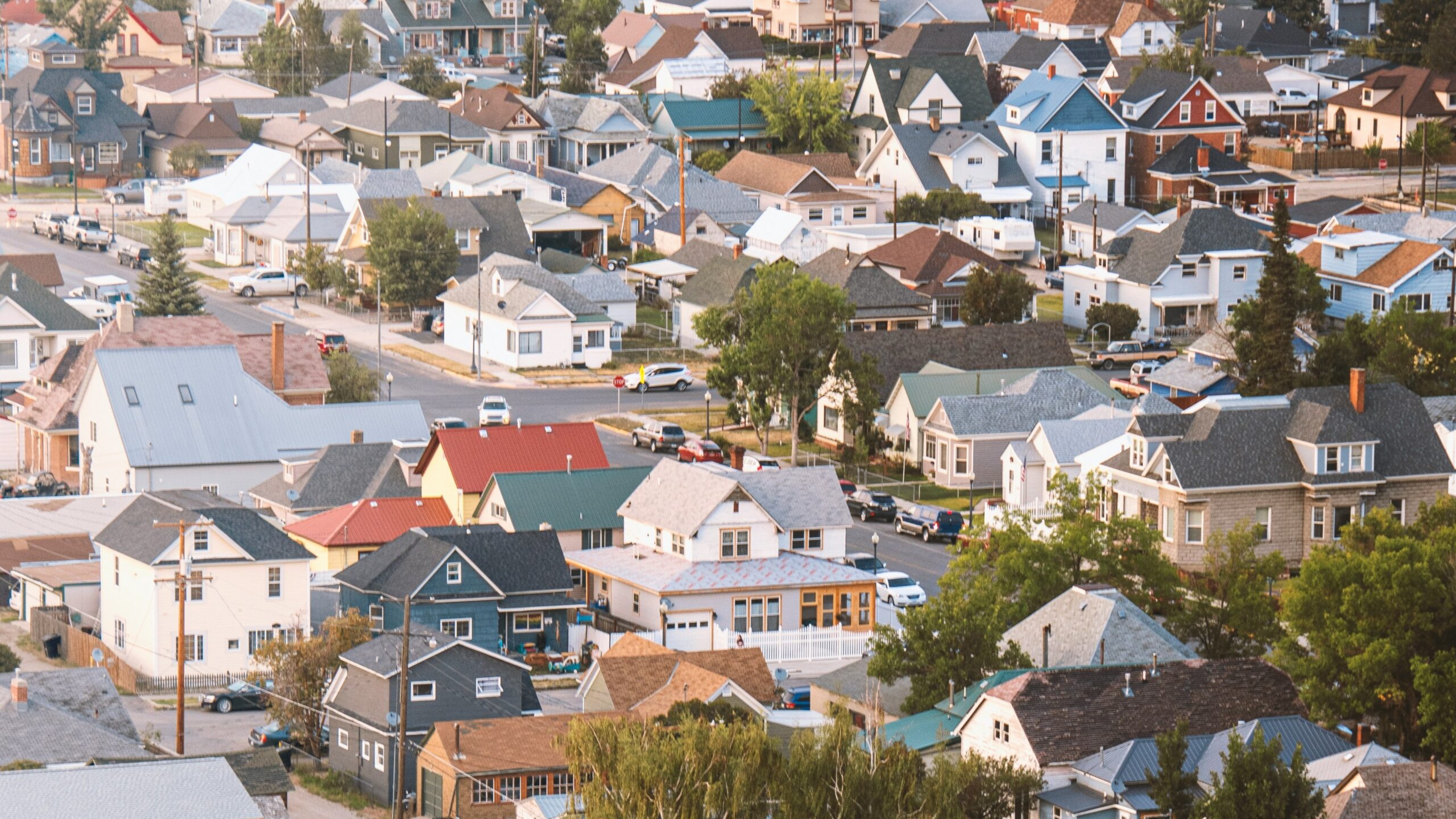
Home prices did not crash in 2025. Instead, they finished the year modestly higher, extending a long run of gains that has tested the patience of would-be buyers and rewarded owners who stayed put. As the market heads into 2026, the story is shifting from runaway appreciation to a slower, more finely balanced cycle that will feel very different depending on whether you are trying to buy, sell, or simply hang on to the home you already have.
I see 2026 shaping up as a year when the market finally cools from a boil to a simmer, but not enough to reset prices to pre-pandemic levels. The key questions now are how much further values can climb, how quickly mortgage rates ease, and whether incomes and inventory can catch up to years of price growth.
How 2025’s price gains set the stage for 2026
The first thing to understand about 2026 is that it starts from a high base. Home prices grew at a more modest pace nationwide in 2025, with year-over-year gains ranging from 1.7% to 4 percent, and some overheated pockets even saw slight declines. That is a far cry from the double-digit spikes of the pandemic era, but it still means buyers are confronting record or near-record prices in many metros, while sellers are sitting on sizable equity cushions.
Forecasts for 2026 point to more of this slow grind rather than a reversal. Analysts expect a modest rise in home prices nationally after the 2025 cooldown, with the view that appreciation will continue but at a restrained pace that keeps values inching higher instead of surging. In that context, the fact that prices ended 2025 higher is not a blip, it is the foundation for another year of incremental gains that, as one set of Housing Market Predictions for 2026 puts it, will still leave buyers facing competition in many areas.
Forecasts: modest gains, not a free fall
Looking ahead, I expect 2026 to be defined by modest but persistent price growth rather than a correction. One influential projection calls for home values to rise about 1.2% in 2026, with the number of major markets seeing outright declines still limited. That kind of increase will not feel dramatic month to month, but layered on top of the 1.7 percent to 4 percent gains logged in 2025, it keeps affordability under pressure and makes it harder for prices to “reset” in any meaningful way.
Other national outlooks echo this theme of a market that is stabilizing rather than snapping. One widely watched forecast framed 2026 as a year when Home Sales To Remain in Low Gear as Balance Holds, with the average 30 year mortgage rate drifting lower and conditions slowly tilting toward better opportunities for patient buyers. Another analysis described a Housing Market Forecast that sees the country in a Market in Transition, with gradual adjustments in prices and activity rather than dramatic shifts that would quickly erase the run-up of the past few years.
Rates, demand and “The Great Housing Reset”
Mortgage rates are the other crucial piece of the 2026 puzzle, and here the outlook is cautiously optimistic. Housing economists expect borrowing costs to ease, with projections that rates could fall between 5.90% and 6.30% by the end of the year. That would be a meaningful improvement from the peaks buyers faced in 2023 and 2024, but it is still well above the ultra-cheap money that fueled the pandemic boom, which means monthly payments will remain a stretch in many markets even if prices only edge up.
At the same time, some analysts argue that 2026 will mark the start of what they call The Great Housing Reset, a period when a weaker labor market and a softer economy curb demand enough to give buyers more leverage. One prominent set of Redfin’s 2026 Predictions: Welcome to The Great Housing Reset suggests that slower job growth, combined with higher living costs, will cool some of the bidding wars that defined the last cycle. I read that as a sign that even if prices continue to rise, the pace of competition could ease in many neighborhoods, giving buyers more time to negotiate and more options to choose from.
Affordability, first-time buyers and the refinance bet
For first-time buyers, the combination of higher starting prices and only gradually improving rates means 2026 will still be a grind, but not an impossible one. One detailed guide asks directly, Will It Be Easier For First Time Homebuyers to Jump into the Market in 2026, and concludes that while conditions should be somewhat better than in the peak-rate years, success will depend heavily on local inventory, income growth and the ability to save for down payments. I expect many younger buyers to keep targeting smaller starter homes, condos and townhouses, and to lean on tools like down payment assistance programs and shared equity models to bridge the gap.
Affordability more broadly will hinge on whether incomes can catch up to years of price and tax increases. One analysis of housing affordability in 2026 notes that the maximum home price a typical buyer can afford could reach up to $425,568 if rates and incomes move in the right direction, but that still leaves many households squeezed by property taxes and insurance costs. Another outlook on the Mortgage Rate Outlook for 2026 stresses that even modest rate declines will not fully offset those rising expenses, which is why I expect more buyers to accept today’s payment and plan to refinance later if and when rates fall further.
What higher 2025 prices mean for buyers and sellers in 2026
For buyers, the fact that prices ended 2025 higher means the “wait for a crash” strategy has already been costly, and the odds of a sudden reset in 2026 look slim. One national forecast framed 2026 as a year when Even though home prices are still elevated, the market is moving toward better conditions for homebuyers, but it also warned that any dip in prices is expected to be temporary. Another 2026 U.S. Housing Market Outlook argues that the new era in real estate will be defined by strategic buyers who are willing to purchase when they can afford to, even if rates are not perfect, while waiting for future refinance opportunities to improve their monthly costs.
Sellers, meanwhile, are entering 2026 with more leverage than the headlines about cooling might suggest, but they no longer hold all the cards. A detailed national forecast describes a market where Balance Holds and Home Sales To Remain in Low Gear, which means well-priced, move-in ready homes will still attract strong interest, while overpriced or flawed listings sit longer and invite negotiation. In my view, that is the real meaning of higher 2025 prices for 2026: the era of easy money and automatic bidding wars is fading, but the structural shortage of homes, combined with only modest new construction and steady household formation, will keep a floor under values even as the market slowly resets.
More From TheDailyOverview

Elias Broderick specializes in residential and commercial real estate, with a focus on market cycles, property fundamentals, and investment strategy. His writing translates complex housing and development trends into clear insights for both new and experienced investors. At The Daily Overview, Elias explores how real estate fits into long-term wealth planning.