
Recent polling highlights a significant trust deficit, with Democrats facing skepticism about their credibility. This lack of trust, as reported in March 2025, extends beyond political realms and influences perceptions of economic indicators like home prices. The erosion of confidence in these areas reflects broader societal concerns about the reliability of information.
The Erosion of Trust in Housing Market Data

The skepticism surrounding political entities, such as the Democrats, appears to have spilled over into the realm of real estate statistics. According to a report, this distrust is not confined to political figures but also affects how people perceive data related to home prices. The perception of misinformation in real estate statistics can significantly impact consumer confidence, leading to hesitancy in making informed decisions about buying or selling property.
As trust in political figures wanes, so does the confidence in the data they or their affiliates present. This skepticism can lead to a broader questioning of the accuracy of home price reports, which are crucial for both individual financial planning and broader economic stability. The perceived unreliability of these statistics can deter potential buyers and sellers, creating a ripple effect throughout the housing market.
Historical Context and Comparison

Trust issues with home prices are not unprecedented. Historically, various economic indicators have faced public skepticism, particularly during times of economic uncertainty. For instance, during the 2008 financial crisis, many questioned the reliability of financial data and the institutions that provided it. Comparing these past events with current trust issues in real estate data reveals a pattern of skepticism that often arises during periods of political and economic instability.
Over the last decade, trust in real estate data has fluctuated, often influenced by broader economic trends and political climates. The current skepticism mirrors past concerns, suggesting a cyclical nature to public trust in economic indicators. This pattern underscores the importance of transparency and accuracy in reporting to maintain public confidence.
The Role of Media in Shaping Perceptions

Media coverage plays a crucial role in shaping public trust in home prices, much like its impact on political trust issues. The way media outlets report on real estate trends can either bolster or erode public confidence. For example, sensationalized headlines or reports that lack context can contribute to a perception of instability, even if the underlying data is sound.
Specific cases where media reporting has influenced confidence in the housing market highlight the power of narrative. When media outlets provide clear, accurate, and contextualized information, they can help restore trust. Conversely, when reports are misleading or overly negative, they can exacerbate public skepticism, further destabilizing the market.
Economic Implications of Distrust in Home Prices
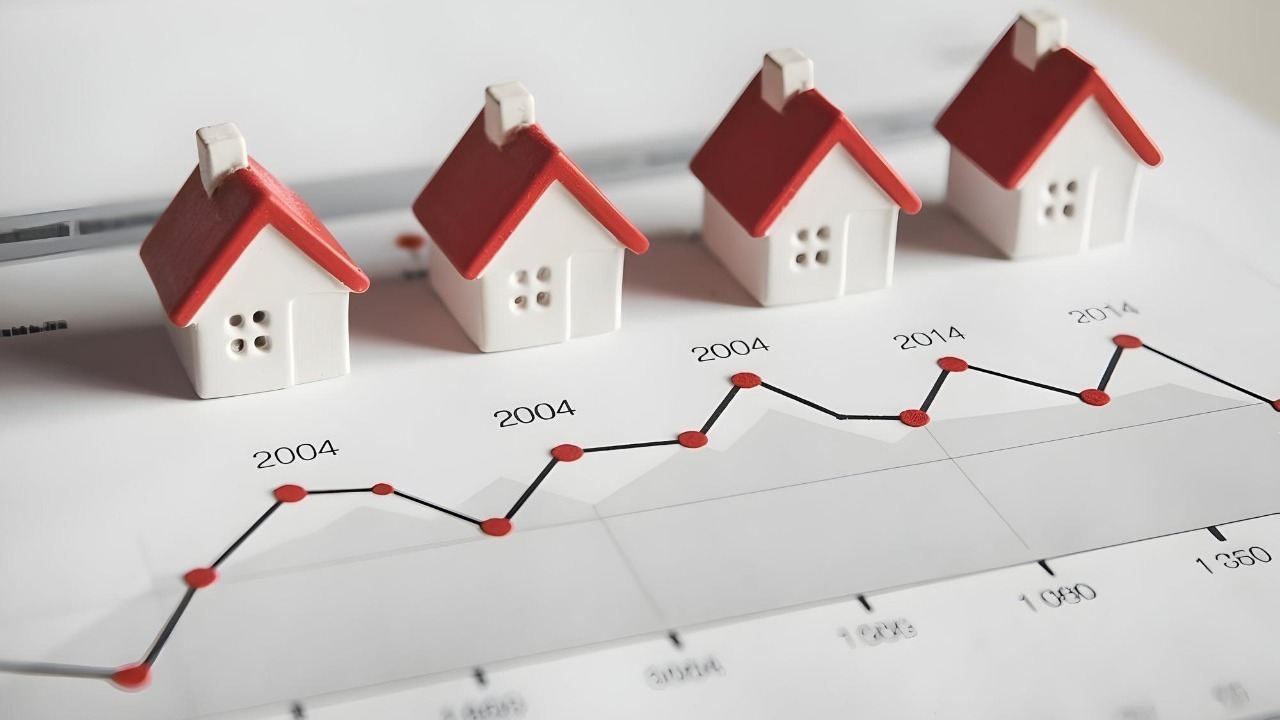
The economic consequences of continued distrust in home price data could be significant. If the public remains skeptical, it could lead to decreased activity in the housing market, as potential buyers and sellers hesitate to engage. This slowdown could affect housing market stability and real estate investment trends, potentially leading to broader economic repercussions.
Distrust in home prices might also discourage investment in real estate, traditionally seen as a stable asset class. If investors perceive the data as unreliable, they may seek alternative investment opportunities, which could lead to reduced capital flow into the housing market and impact economic growth.
Policy Responses and Future Outlook

To address the trust deficit in home pricing data, several policy measures have been proposed or implemented. These initiatives aim to enhance transparency and accuracy in reporting, thereby restoring public confidence. Drawing parallels with political strategies to regain credibility, these efforts focus on improving data collection methods and increasing accountability among reporting entities.
Looking ahead, the future of trust in home pricing data will likely depend on the effectiveness of these policy measures. As stakeholders work to overcome the trust deficit, potential solutions may include leveraging technology to improve data accuracy and fostering greater collaboration between public and private sectors. By addressing the root causes of skepticism, it may be possible to rebuild confidence in both political and economic indicators.

Elias Broderick specializes in residential and commercial real estate, with a focus on market cycles, property fundamentals, and investment strategy. His writing translates complex housing and development trends into clear insights for both new and experienced investors. At The Daily Overview, Elias explores how real estate fits into long-term wealth planning.

