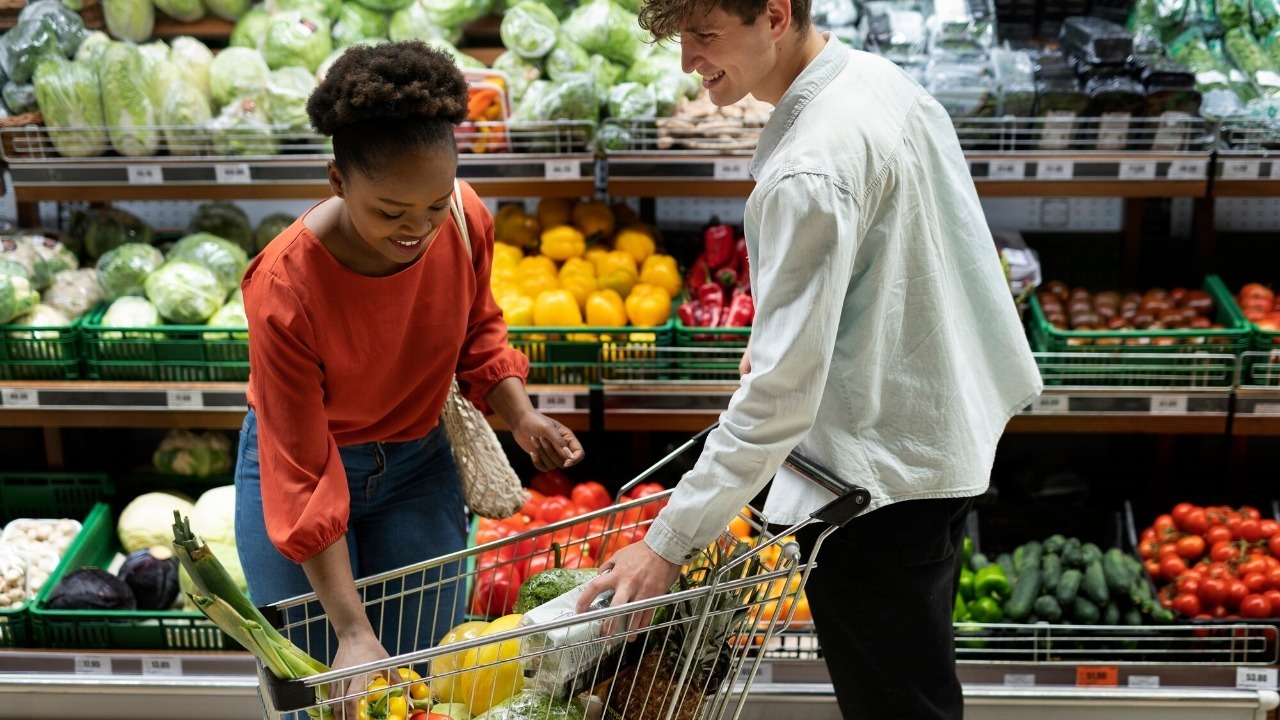
After two years of sticker shock in the supermarket aisle, President Donald Trump’s decision to roll back some food tariffs has raised hopes that grocery bills will finally ease. The political promise is simple: cut trade taxes, and shoppers should see cheaper milk, meat, coffee and produce. The reality, according to economists and industry data, is that any relief is likely to be slower, smaller and more uneven than many households expect.
Prices for some tariff‑heavy items may indeed drift lower as new shipments arrive, but structural forces like supply chain lags, retailer pricing strategies and broader food inflation will blunt the impact. The key question is not whether tariffs matter, but how much of the rollback will actually show up on your receipt, and how long that pass‑through will take.
Tariff rollbacks meet stubborn food inflation
The starting point is that grocery prices are already elevated, and they are rising for reasons that go well beyond trade policy. Analysts tracking food inflation note that even as President Donald Trump is rolling back tariffs on some imported foods, supermarkets are still working through older, higher cost inventory that was purchased when duties were in full force, which means shelf prices will not reset overnight as those levies fall according to Why Trump. I see that dynamic clearly in categories like canned tomatoes and frozen vegetables, where contracts are often locked in months ahead and retailers are reluctant to cut tags until they have sold through existing stock.
On top of that inventory overhang, the basic plumbing of global trade slows everything down. As one expert put it, supply chains do not react that quickly to pricing actions, whether from the president or organic fluctuations of markets, and it can take until the spring for new, lower cost shipments to work their way through warehouses and distribution centers, a lag that Supply underscores. Even after that, another analyst warns that supply chains do not react that quickly over longer stretches of time either, so the full effect of tariff changes can take many months to filter into consumer prices, reinforcing that this is a marathon, not a sprint for household budgets as Supply again makes clear.
How much relief experts actually expect
When I look at the numbers, the consensus among economists is that tariff relief will shave a little off specific items rather than transform the overall cost of a cart. Trade specialists who have examined the new deals say they could help alleviate some of the pressure on price increases, but they also caution that the gains for consumers may be quite small in absolute terms, especially once retailers and distributors take their cut, a reality highlighted by Will It Work. That means a few cents off a bag of frozen berries or a modest drop in imported cheese, not a sweeping rollback to pre‑inflation price levels.
Industry groups are more upbeat, but even they temper expectations. A top lobby group for the food industry, FMI, the Food Industry Association, has argued that the rollback on certain categories could be significant for importers and wholesalers, yet it also acknowledges that the savings that reach shoppers at the register may end up feeling relatively modest once they are spread across complex supply chains and retailer margins, a nuance captured in FMI. In other words, the macro impact on trade flows could be large, while the micro impact on your weekly bill is likely to be measured in nickels and dimes.
Which items are most likely to move in price
The biggest swings, both up and down, are likely to hit aisles that depend heavily on imports. Earlier tariff rounds showed how exposed American shoppers are to foreign produce, with some top sources: Chile (10) and other Latin American suppliers providing a large share of off‑season fruit, and new duties pushing up the cost of items like pineapples, avocados and mangoes according to NPR. When those tariffs are eased, I would expect the most noticeable relief in exactly those categories, where the tax component of the final price is relatively large and shoppers are quick to trade down or skip purchases if costs spike.
North American trade is another pressure point. The United States received 51% of its fresh fruit from Mexico and 2% from Canada in 2022, according to the U.S. Department of Ag, which means any change in tariffs on Mexico and Canada can ripple quickly into the produce aisle and even into processed foods that rely on those inputs, as detailed in Mexico and. Seafood is also flagged as vulnerable, with tariffs making imported fish and shellfish more expensive and prompting warnings that prices in the seafood department could go up, so any rollback there could bring some of the sharpest percentage declines, even if the dollar savings per trip remain limited.
Coffee, dairy and meat: case studies in tariff math
Few products illustrate the tug of war between tariffs and broader inflation as clearly as coffee. Earlier tariff hikes added a new layer of cost to beans from key coffee‑growing Latin countries, with new duties of 10% on some imports introduced in April, a move that helped push retail coffee prices higher alongside weather shocks and currency swings, as shown in data on how much coffee prices have risen since 1985 and how Tariffs added to the climb. President Trump has promised that new trade deals will lower the price of coffee and other staples, telling supporters that “we’re gonna lower some” tariffs very quickly and very easily, but experts caution that while specific items such as beans and breakfast staples could see some relief, the overall cost of living will still be shaped by labor, energy and rent, as the analysis in What This Means For Your Finances makes clear.
Dairy and meat tell a similar story, but with their own twists. A market analyst for the National Milk Producers Federation notes that annual growth in dairy demand typically is around 1.5%, which means producers rely on steady, incremental gains rather than sudden booms, and tariffs can disrupt that balance by raising input costs and squeezing margins for startups that already grapple with high beef prices, as described in But. When tariffs are rolled back, I expect some easing in wholesale prices for cheese, butter and certain cuts of meat, but the pass‑through to shoppers will depend on how aggressively retailers compete for customers and whether processors use the breathing room to rebuild profits instead.
Why your receipt may not fall as fast as the headlines
Even where tariffs clearly pushed prices higher, the reversal is rarely symmetrical. Food economist Ortega has warned that the recent uptick in the rate of cost increases is likely the direct result of tariffs, noting in testimony that it takes time for those policy changes to work through the system and that the same lag applies in reverse when duties are cut, a point emphasized in Ortega. I read that as a warning against expecting instant gratification: the pipeline that carried higher costs from ports to pantries will take just as long to flush out when tariffs fall.
There is also the uncomfortable reality that some of the tariff‑driven pain may simply stick. One analysis of 2026 pricing warns that how much more you should prepare to pay because of tariffs depends heavily on what you are buying, and that the impact will likely vary significantly by category and product, with some items seeing continued increases even if others stabilize, a pattern that Ultimately underlines. Retail behavior matters too: one shopper who tracked Costco prices before and after Trump tariffs found that the changes surprised them, with some bulk staples rising more than expected and others barely moving compared with a year ago, illustrating how store‑level strategies can blunt or amplify policy shifts as described in Be Aware.
What shoppers can realistically plan for
Looking across categories, I expect the most tangible relief where tariffs were both large and highly visible to consumers. Agricultural economist Daniel A. Sumner, a professor of economics at UC Davis specializing in agricultural economics, has pointed out that imported products like specialty cheeses, certain fruits and some holiday roasts have seen especially sharp increases since 2024, and that these are the items most likely to tumble in price as Trump rolls back tariffs, even if the overall grocery bill only inches down, an assessment laid out by Daniel. For households, that suggests watching high‑end imported goods and seasonal items first for discounts, while treating staples like bread, eggs and domestic produce as slower movers.
At the same time, some analysts argue that tariffs on produce were always counter to the goal of reducing prices at the grocery store, since they directly raised the cost of imported fruits and vegetables at a moment when consumers were already struggling with inflation. One review of the retail price impact of tariffs notes that implementing tariffs runs counter to reducing prices at the grocery store, especially in categories where a large share of items like berries, peppers and mushrooms were imported, and that unwinding those levies will only gradually reverse the damage, as detailed in Counter. For now, the most practical strategy for shoppers is to stay nimble: compare unit prices, swap in domestic or frozen alternatives when imported fresh goods stay expensive, and recognize that while tariffs are finally moving in a friendlier direction, the grocery aisle will take its time catching up.
More From TheDailyOverview

Grant Mercer covers market dynamics, business trends, and the economic forces driving growth across industries. His analysis connects macro movements with real-world implications for investors, entrepreneurs, and professionals. Through his work at The Daily Overview, Grant helps readers understand how markets function and where opportunities may emerge.

