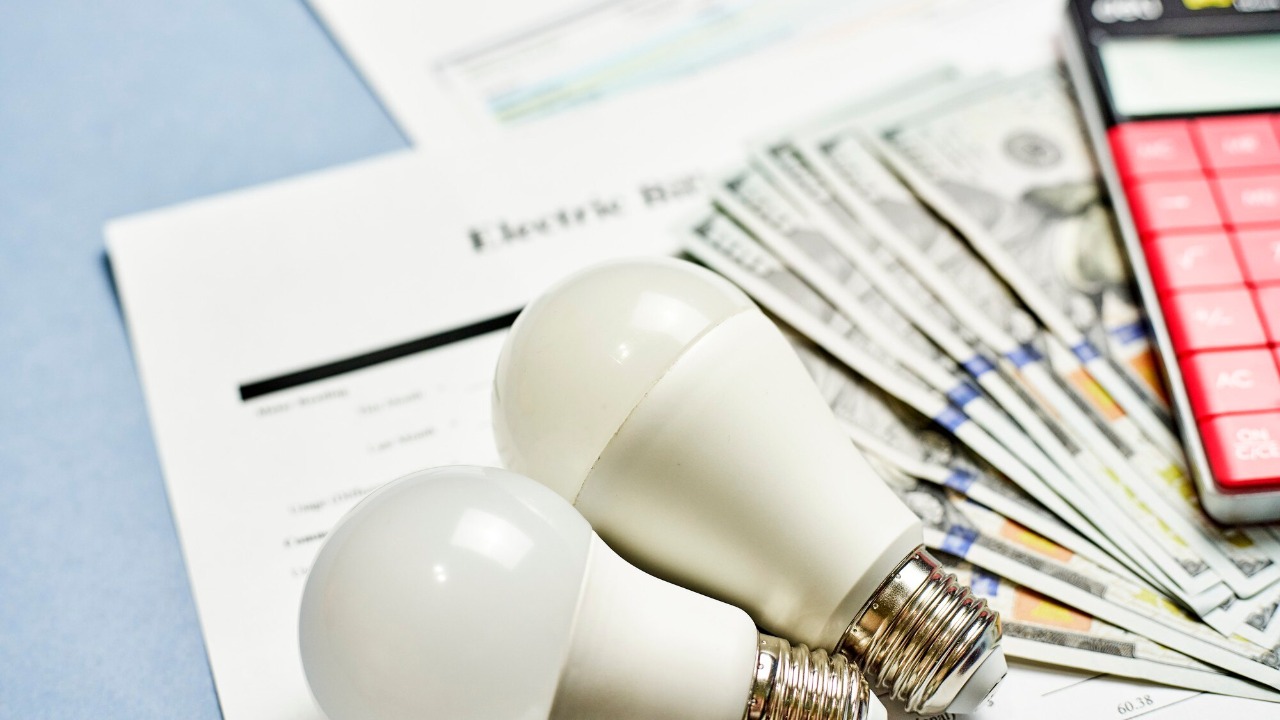
Looking to lower your energy bills but not sure where to start? With a few smart adjustments and investments, you can significantly reduce your household energy consumption. Here are seven effective hacks to help you save money and reduce your environmental impact.
Optimize Your Thermostat Settings
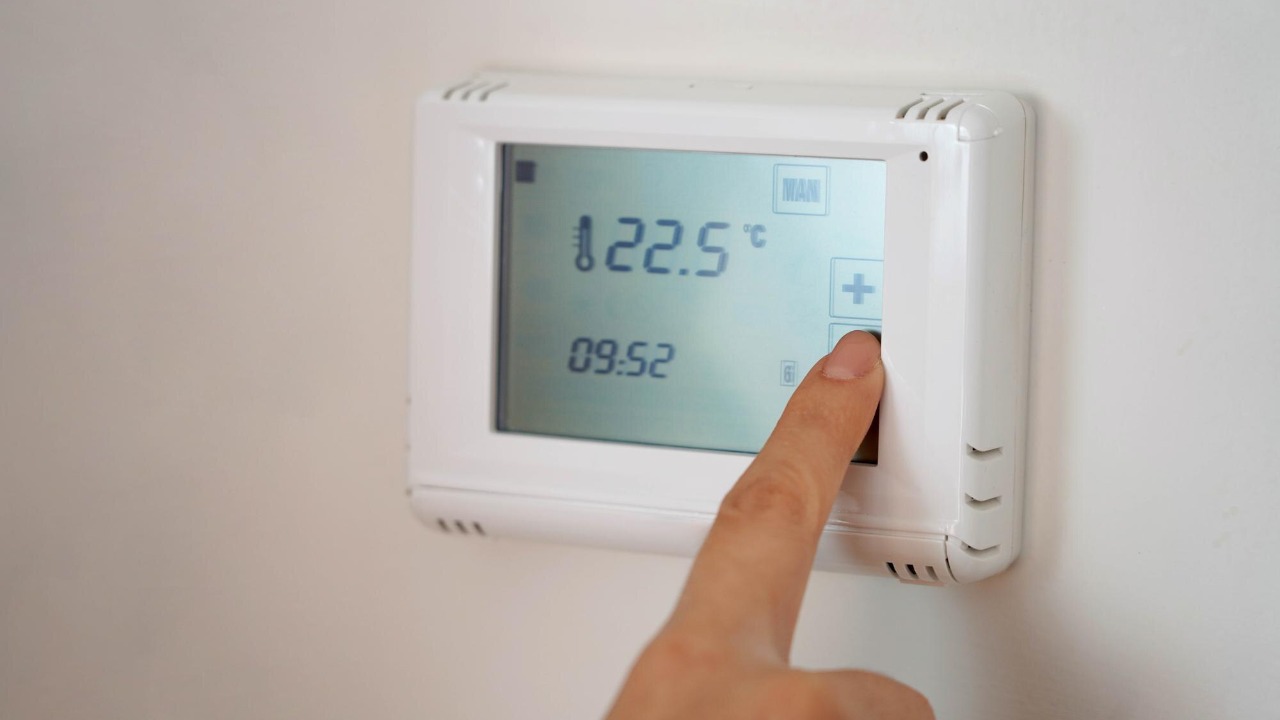
One of the simplest ways to cut energy costs is by optimizing your thermostat settings. Consider investing in a smart thermostat, which can adjust temperatures based on your schedule and habits. For instance, the Nest Learning Thermostat can learn your preferences and automatically adjust to save energy when you’re not home. Additionally, simply setting your thermostat a few degrees higher in the summer and lower in the winter can lead to significant savings.
By maintaining consistent temperatures and utilizing strategic settings, you can reduce the load on your heating and cooling systems, which are typically the biggest energy consumers in your home.
Seal Gaps and Cracks Around Windows and Doors
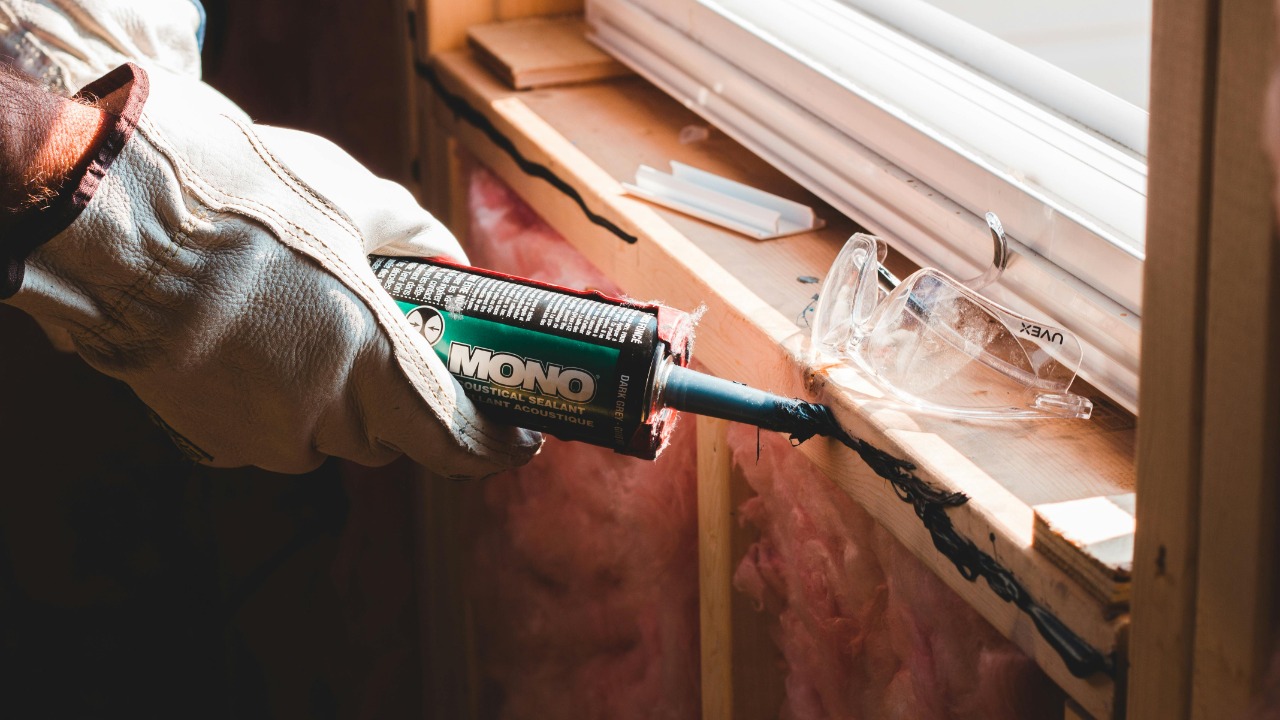
Sealing gaps and cracks around windows and doors is a cost-effective way to improve your home’s insulation. Use weatherstripping or caulking to eliminate drafts and prevent conditioned air from escaping. This not only reduces your energy bills but also makes your home more comfortable.
Additionally, consider installing draft stoppers at the base of doors or using door sweeps for added insulation. These simple fixes can make a big difference in energy conservation and ensure your heating and cooling systems operate efficiently.
Upgrade to Energy-Efficient Appliances
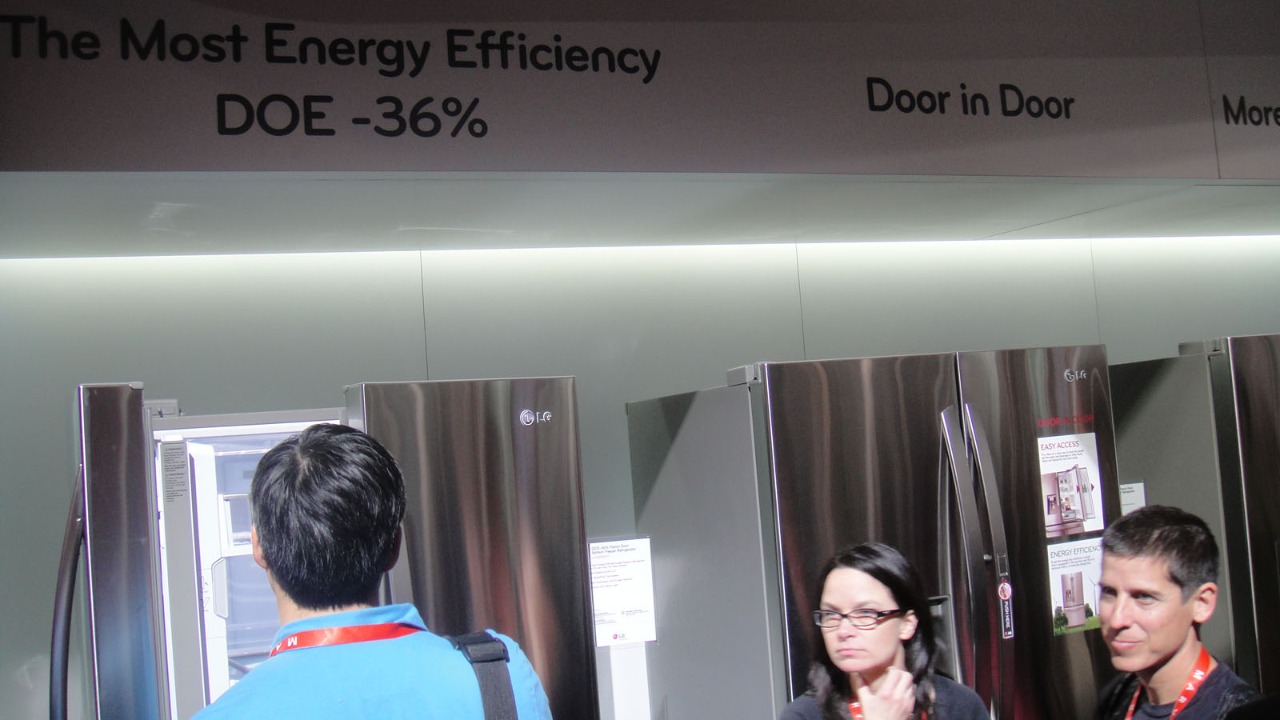
Replacing old appliances with energy-efficient models can lead to substantial long-term savings. Look for products with the Energy Star label, which meet strict efficiency guidelines set by the U.S. Environmental Protection Agency. Energy-efficient refrigerators, washing machines, and dishwashers consume less power and water, reducing your utility bills.
While the initial investment might seem high, the savings on your energy bills will quickly add up. For example, an Energy Star-certified refrigerator can save you over $200 in energy costs over its lifetime, making it a wise choice for energy-efficient living.
Utilize Smart Power Strips
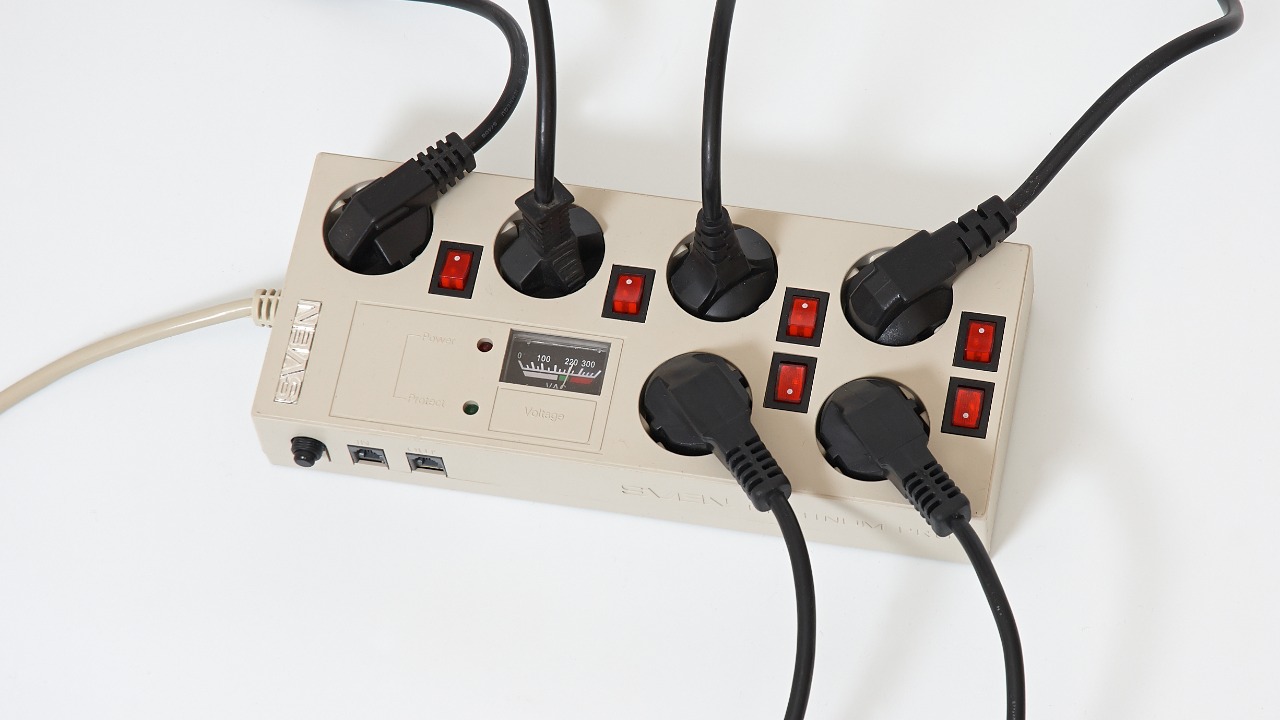
Many electronic devices continue to draw power even when turned off, contributing to “phantom load.” Smart power strips can help eliminate this wasted energy by cutting off power to devices that are not in use. They work by detecting when a device is in standby mode and automatically shutting off power.
Consider using smart power strips for your entertainment center or office setup, where multiple devices are often connected. This simple switch can significantly reduce your energy consumption without requiring active management on your part.
Maximize Natural Light Usage
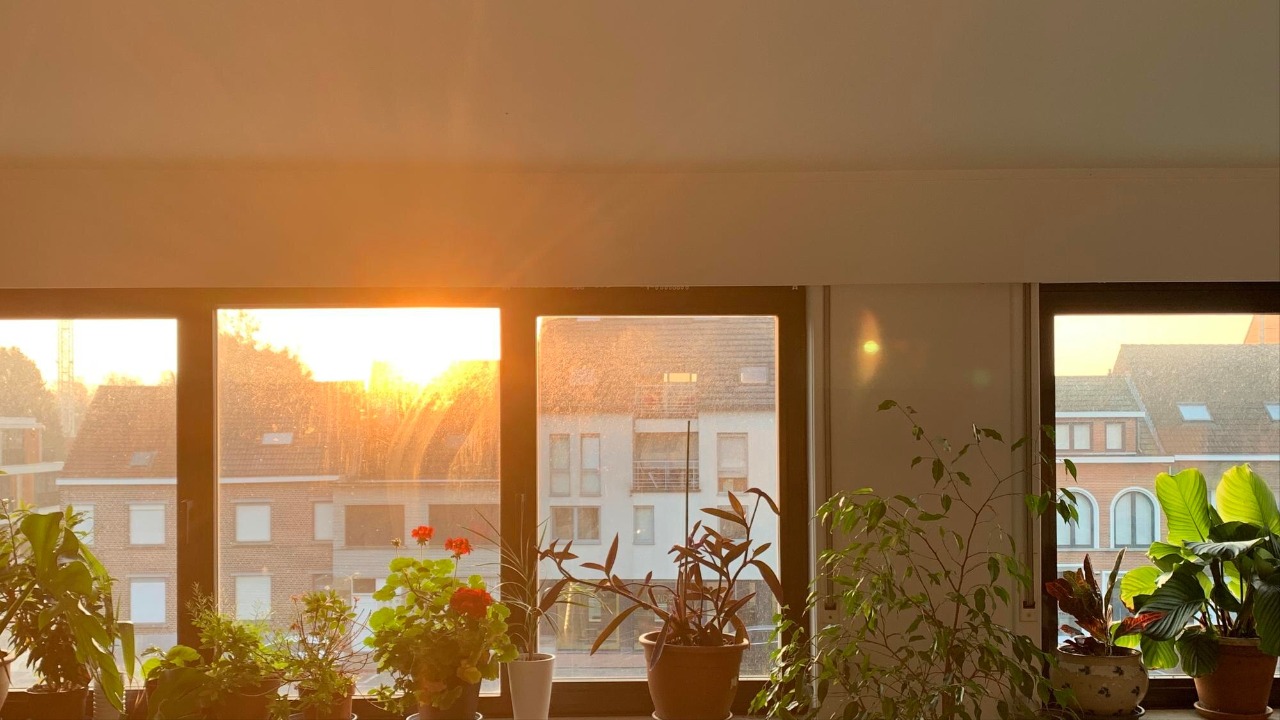
Take advantage of natural light to reduce your reliance on artificial lighting. Open curtains and blinds during the day to let sunlight illuminate your home. This not only cuts down on electricity use but also enhances your living environment by bringing in warmth and brightness.
Additionally, consider installing skylights or light tubes in areas where natural light is limited. By optimizing the natural light available, you can create a more sustainable and inviting home environment.
Implement Energy-Saving Landscaping

Strategically planting trees and shrubs around your home can have a significant impact on your energy bills. Deciduous trees provide shade in the summer, reducing the need for air conditioning, while allowing sunlight to warm your home in the winter.
Additionally, using native plants that require less water and maintenance can support energy conservation efforts. By designing your landscape with energy savings in mind, you can create a more efficient and eco-friendly home environment.
Install Low-Flow Water Fixtures
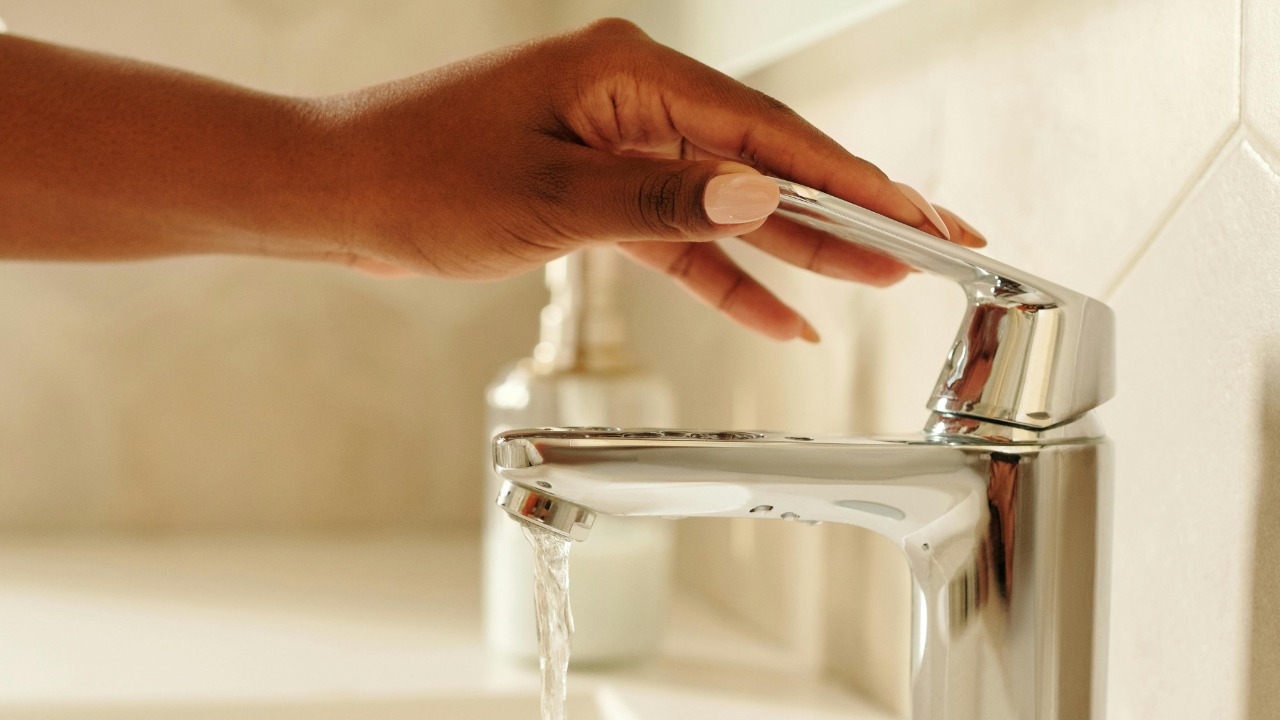
Installing low-flow faucets and showerheads can greatly reduce your water usage, leading to lower water and energy bills. These fixtures are designed to use less water without sacrificing performance, making them a smart choice for environmentally conscious homeowners.
Low-flow fixtures are particularly effective in reducing hot water consumption, which accounts for a significant portion of household energy use. By making this simple switch, you can save both water and energy, contributing to a more sustainable lifestyle. For more tips, check out energy-saving tips for homeowners.

Cole Whitaker focuses on the fundamentals of money management, helping readers make smarter decisions around income, spending, saving, and long-term financial stability. His writing emphasizes clarity, discipline, and practical systems that work in real life. At The Daily Overview, Cole breaks down personal finance topics into straightforward guidance readers can apply immediately.
