A funding lapse at the Department of Homeland Security would not simply idle a few Washington offices. It could ripple outward into airport security lines, Coast Guard operations, disaster preparedness, and cybersecurity monitoring, touching millions of Americans who rarely think about the agency until something goes wrong. The key question is how quickly and how broadly disruptions could build across services most people take for granted if a lapse lasts more than a few days.
What Stays Running and What Stops
The distinction between “excepted” and “non-excepted” activities is the legal backbone of any DHS funding lapse. According to DHS guidance on a lapse in appropriations, law enforcement and other activities deemed essential to the protection of life and property would continue operating even without new appropriations. Border Patrol agents, immigration enforcement officers, and TSA screeners fall into this category. They would report to work, but without a guarantee of a paycheck until Congress restores funding.
Everything outside that protected ring stops in what the agency calls an orderly shutdown. That includes administrative support, policy development, certain training programs, and non-emergency planning functions. The practical effect is a skeleton crew running a sprawling department. Over time, backlogs can grow and routine work can slip, even if core public-safety missions continue. For ordinary Americans, the initial impact may feel invisible, but strain can build quickly if a lapse persists.
Coast Guard Members and the Pay Gap
Among the most visible casualties of a DHS funding lapse are the men and women of the Coast Guard. Unlike their counterparts in the Army, Navy, or Air Force, Coast Guard personnel sit under DHS rather than the Department of Defense, which means their pay is tied to DHS appropriations rather than the typically more insulated Pentagon budget. A shutdown puts their paychecks at direct risk, even as they continue patrolling ports, conducting search-and-rescue missions, and enforcing maritime law.
The agency’s own workforce impact assessment highlights this vulnerability explicitly, noting that Coast Guard pay is exposed during a lapse and that training programs across DHS components face interruption. The downstream effects are not abstract. A Coast Guard family missing a paycheck may struggle to cover rent or childcare. Training interruptions can degrade readiness over time, and a prolonged shutdown can take a toll on morale and retention.
Airport Security and Immigration Processing
TSA officers screening passengers at commercial airports are classified as excepted employees, so checkpoints would remain open during a funding lapse. But “open” and “fully staffed” are not the same thing. When workers go unpaid, absenteeism can climb. During the 2018-2019 federal shutdown, which lasted 35 days, outlets including the BBC described how shutdown pressures affected workers and services, and U.S. reporting at the time highlighted growing lines at some airports as staffing strains mounted. The pattern is plausible: essential workers show up at first out of duty, then may thin out as financial pressure mounts.
Immigration-related functions within DHS can also be affected, depending on how they are funded and staffed. Some services are supported by fees, while others rely on appropriations and can slow during a lapse as staff are furloughed or reassigned. For families and employers waiting on decisions, even a brief lapse can translate into additional delays.
Disaster Response Without Full Coordination
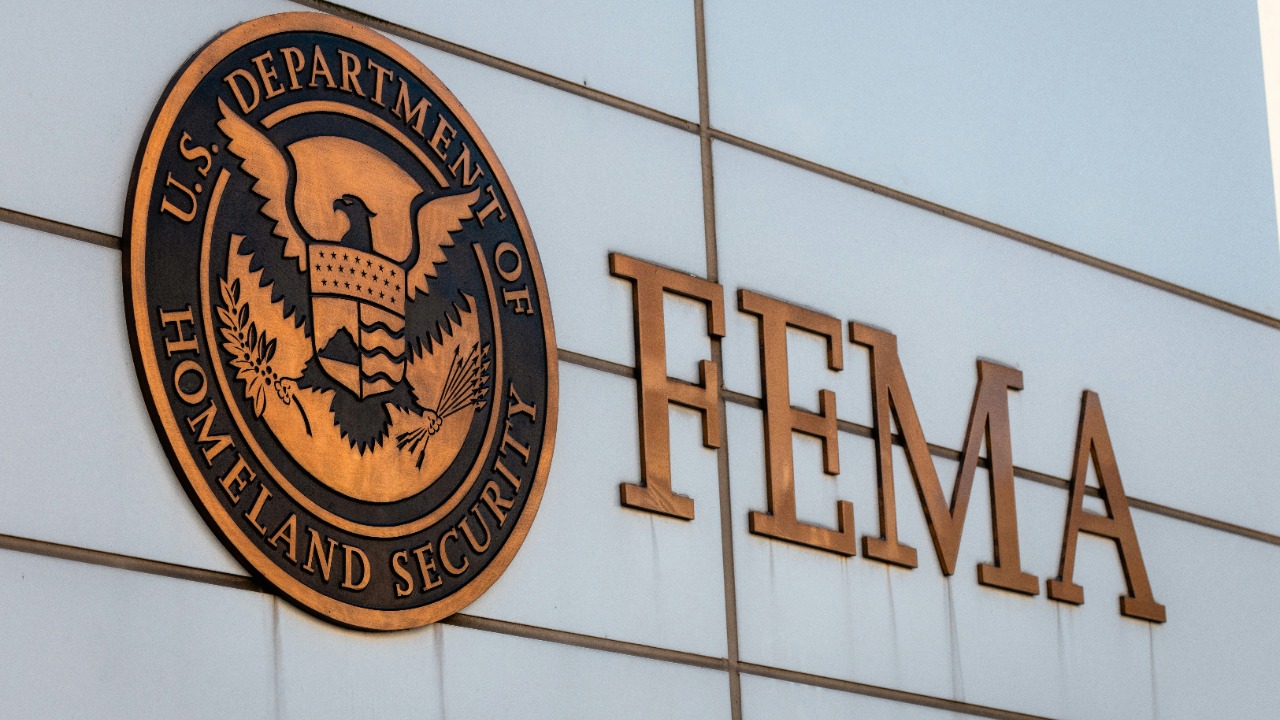
FEMA sits within DHS, and its ability to respond to hurricanes, wildfires, and other natural disasters depends on both appropriated funding and a fully staffed planning apparatus. During a shutdown, some disaster operations can continue using previously appropriated funds, but planning, mitigation work, and other non-emergency functions can be curtailed as staff are furloughed.
The timing risk is what matters most. Hurricanes do not wait for Congress to pass a spending bill. If a major storm were to strike during a funding lapse, FEMA could still deploy, but with fewer support staff and reduced administrative capacity in some areas. That can complicate coordination and slow certain forms of processing and follow-on work that communities rely on after the cameras leave.
Cybersecurity Gaps That Do Not Pause for Politics
The Cybersecurity and Infrastructure Security Agency, known as CISA, is another DHS component that would see its workforce reduced during a funding lapse. Core operations classified as essential would continue, but other work can slow as staff are furloughed, including some coordination and outreach that help organizations respond to evolving threats.
This creates an asymmetric problem. Adversaries, whether state-sponsored hacking groups or criminal ransomware operators, do not observe federal budget cycles. A gap in CISA’s capacity to coordinate and communicate at full speed could leave some vulnerabilities unaddressed for longer, particularly for smaller organizations that lean on federal guidance and support.
The Financial Toll on DHS Workers and Their Families
A funding lapse does not just disrupt government services. It imposes direct financial hardship on the federal workforce. DHS employees who are furloughed stop receiving paychecks entirely. Those who are excepted and required to work also stop receiving paychecks, though they have historically received back pay once funding is restored. The gap between the last paycheck and the eventual back pay can stretch for weeks, and for workers living paycheck to paycheck, that gap can force hard choices about which bills to pay and which to defer.
The broader economic effects can radiate outward from federal workers into their communities. Restaurants near federal facilities can lose lunch traffic. Landlords can face late rent payments. Childcare providers can see families pull back on hours. These effects are difficult to quantify precisely because DHS has not published granular economic impact data at the community level, but the BBC has reported on how government shutdowns can affect Americans across multiple dimensions, from delayed services to personal financial strain.
Why Contingency Plans May Not Match Modern Threats
DHS publishes its shutdown procedures to provide legal clarity and operational continuity during a lapse. The department’s published guidance lays out which activities qualify as excepted and how the department should wind down non-essential functions. But contingency plans are, by nature, backward-looking. They codify what the agency did last time, not necessarily what it needs to do next time. The threat environment has shifted significantly in recent years, with cyber operations and climate-driven disasters demanding more from DHS, not less.
The deeper problem is structural: when funding lapses, even temporarily, DHS can be forced to pause or slow work that supports its long-term readiness. Each lapse can degrade institutional capacity in ways that are hard to measure but easy to feel: deferred work, lost institutional knowledge from departing employees, and training gaps that take time to close. For ordinary Americans, the effects may not register until they encounter a longer airport line, a delayed response in a crisis, or a slower flow of public-facing updates. The contingency plan can keep core missions running, but it cannot fully prevent the cumulative strain of repeated disruptions.
More From The Daily Overview
*This article was researched with the help of AI, with human editors creating the final content.

Grant Mercer covers market dynamics, business trends, and the economic forces driving growth across industries. His analysis connects macro movements with real-world implications for investors, entrepreneurs, and professionals. Through his work at The Daily Overview, Grant helps readers understand how markets function and where opportunities may emerge.

