As technology continues to evolve, budgeting apps are becoming an integral tool in personal finance management. These apps are not only helping individuals track their spending but are also transforming the way people think about and interact with their money. By offering real-time insights and personalized financial advice, budgeting apps are making it easier than ever for users to develop healthier money habits.
The Rise of Budgeting Apps

The surge in popularity of budgeting apps can largely be attributed to their convenience and accessibility. With smartphones becoming ubiquitous, managing finances on-the-go has never been easier. Apps like Mint, YNAB (You Need A Budget), and PocketGuard offer user-friendly interfaces that allow individuals to keep track of their expenses, income, and savings with just a few taps. This ease of use is a major draw for users who might otherwise find traditional budgeting methods cumbersome or time-consuming.
It’s not just tech-savvy millennials who are embracing these digital tools; the demographic range of budgeting app users is broadening. From Gen Z individuals just embarking on their financial journeys to older generations looking to better manage their retirement funds, the appeal of budgeting apps spans across age groups. This diverse adoption is a testament to the universal need for effective financial management tools. The widespread use of these applications is significantly influencing the financial technology industry, driving innovation and competition as companies strive to meet the growing demand.
Features Driving Change
One of the standout features of budgeting apps is real-time tracking, which empowers users to make informed financial decisions. By providing immediate updates on spending, these apps help individuals stay accountable to their budgets. For instance, if a user exceeds their dining-out budget for the month, they can quickly adjust their spending in other areas, preventing further financial strain. This level of immediacy and control was previously difficult to achieve with traditional budgeting methods.
Moreover, the integration of AI and machine learning in budgeting apps is revolutionizing personal finance management by offering personalized financial insights. Apps like Cleo and Albert analyze users’ spending patterns and provide tailored advice, suggesting ways to cut costs or highlighting opportunities to save. These intelligent systems can even identify recurring expenses that might have gone unnoticed, providing a more comprehensive view of financial health. By linking multiple financial accounts, users gain a holistic understanding of their finances, enabling them to make smarter money decisions.
Shaping New Financial Behaviors
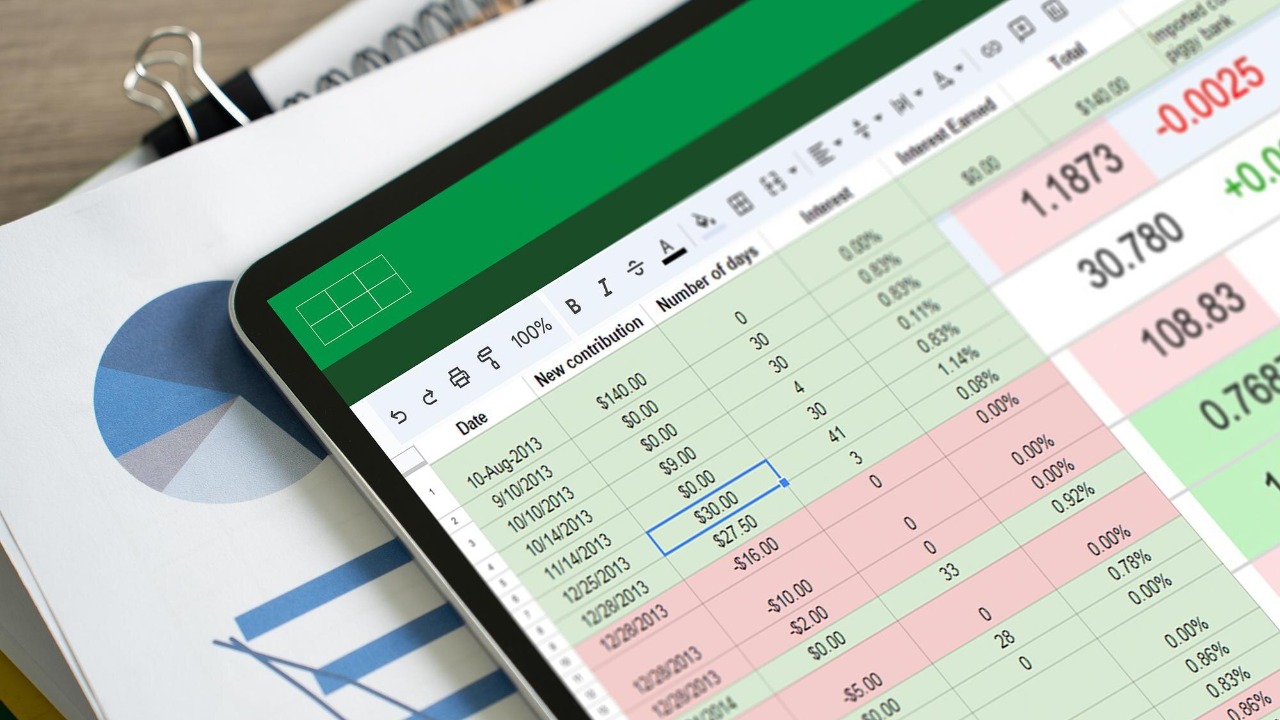
Budgeting apps are not only about tracking expenses; they also encourage positive financial behaviors such as saving. Many apps offer features like automated savings, where users can set rules to transfer small amounts of money into savings accounts based on specific triggers, like rounding up every purchase to the nearest dollar. This approach makes saving money feel effortless and helps users reach their savings goals without having to make significant lifestyle changes.
Additionally, these apps play a crucial role in promoting financial literacy. By breaking down complex financial concepts into easy-to-understand visuals and recommendations, users are empowered to make informed decisions. Educational tools within apps like Goodbudget and Personal Capital provide users with insights into budgeting strategies and investment options, fostering a deeper understanding of financial literacy. Furthermore, features like spending alerts and budget limits are effective in curbing impulse spending, helping users to develop disciplined spending habits over time.
Challenges and Limitations

Despite their benefits, budgeting apps do present certain challenges and limitations. One of the primary concerns is data security and user privacy. With sensitive financial information being stored in the cloud, there is always a risk of data breaches. Companies are actively working to address these issues by implementing advanced encryption technologies and offering features like two-factor authentication to enhance security, yet the concern remains prominent among users.
Another potential downside is the risk of over-reliance on technology for financial management. While these apps provide valuable insights, they can also lead to users losing touch with their own money habits. It’s important for individuals to use these tools as a supplement rather than a substitute for personal financial awareness. Accessibility is also a concern, as there are still populations without access to the necessary technology or digital literacy skills to fully benefit from these apps. The digital divide remains a barrier for many who could otherwise improve their financial well-being with these tools.
The Future of Budgeting Apps

As budgeting apps continue to evolve, we can expect to see several emerging trends that will further enhance their capabilities. Enhanced AI features are likely to become more prevalent, with apps offering even more sophisticated financial forecasting and personalized advice. Integration with other financial services, such as investment platforms and credit monitoring, will provide users with a more comprehensive financial management tool.
Consumer demand is also driving the development of more intuitive and user-friendly budgeting solutions. As users become more accustomed to seamless digital experiences, app developers will need to prioritize simplicity and ease of use in their designs. This shift will likely result in a new wave of apps that cater to a wider audience, further bridging the gap between technology and personal finance management.
In the long term, the widespread use of budgeting apps could significantly impact societal financial literacy. As more individuals gain access to educational tools and personalized insights, there is potential for a more financially savvy society. By fostering healthier money habits and promoting financial education, budgeting apps are poised to play a crucial role in shaping the financial behaviors of future generations. For more on how budgeting apps are influencing spending habits, click here.

Cole Whitaker focuses on the fundamentals of money management, helping readers make smarter decisions around income, spending, saving, and long-term financial stability. His writing emphasizes clarity, discipline, and practical systems that work in real life. At The Daily Overview, Cole breaks down personal finance topics into straightforward guidance readers can apply immediately.

