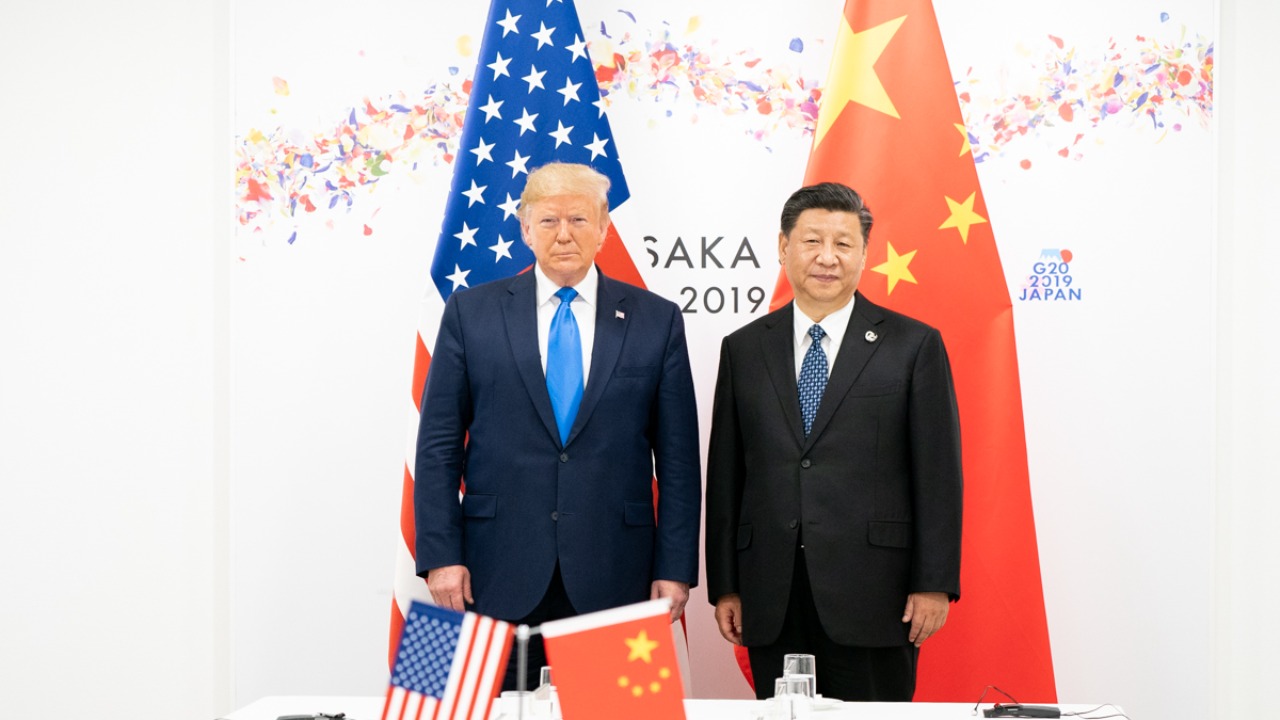
The Trump administration’s strategy to curb China’s advancements in artificial intelligence (AI) involved implementing stringent export controls on semiconductor technologies. While aimed at stalling China’s AI development, these measures inadvertently affected American companies like Nvidia, a leading player in the semiconductor industry. The ramifications of these policies have significantly impacted the global tech landscape, with consequences that extend beyond the U.S. and China.
Background on U.S.-China Tech Tensions
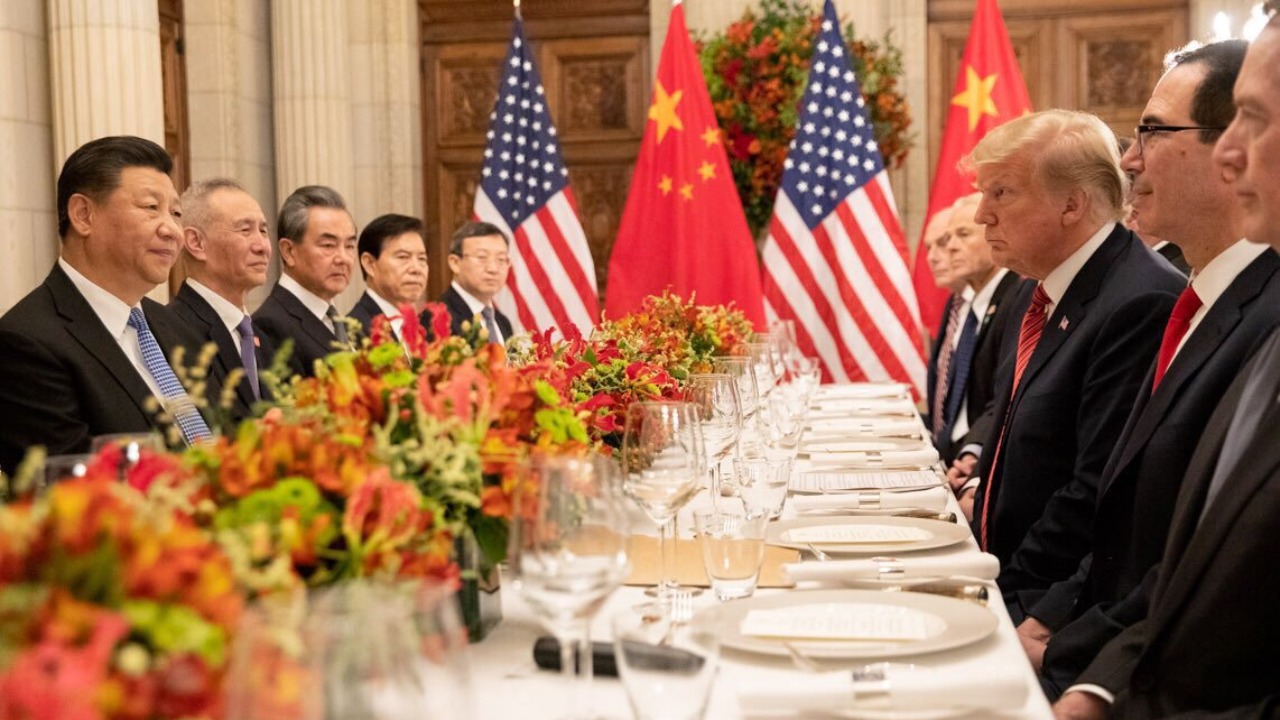
The tech rivalry between the U.S. and China is deeply rooted in both nations’ aspirations to dominate the global technology landscape. This competitive relationship has been brewing over decades, as both countries have pursued aggressive strategies to advance their technological capabilities. The U.S. has traditionally held a competitive edge in semiconductor technologies, while China has invested heavily in developing its own tech sector to reduce dependency on foreign technologies.
The Trump administration adopted a more confrontational approach towards China, particularly in technology and trade. By implementing measures aimed at limiting China’s technological growth, the administration sought to protect U.S. interests. These steps included imposing stringent export controls on critical technologies, primarily targeting the semiconductor industry. However, these policies have disrupted international supply chains, affecting both U.S. and Chinese tech sectors. The restrictions have not only reshaped the dynamics between the two nations but have also led to unintended consequences for global tech companies.
Nvidia’s Role in the Semiconductor Industry
Nvidia stands as a formidable leader in the semiconductor industry, renowned for its pivotal role in AI development. The company’s cutting-edge graphics processing units (GPUs) have become integral to a wide array of applications, from gaming to complex AI algorithms used in industries like healthcare and autonomous vehicles. Nvidia’s innovations have propelled the company to the forefront of AI advancements, making it a critical player in the global tech ecosystem.
Despite its strong market position, Nvidia has faced significant challenges due to the U.S. export controls targeting China. These restrictions have complicated Nvidia’s ability to conduct business with Chinese firms, which constitute a substantial portion of its customer base. According to reports, the company has had to navigate a complex regulatory landscape, balancing compliance with U.S. policies while seeking to maintain its competitive edge. These challenges highlight the intricate dance Nvidia must perform to sustain growth amid geopolitical tensions.
Trump Administration’s Export Controls
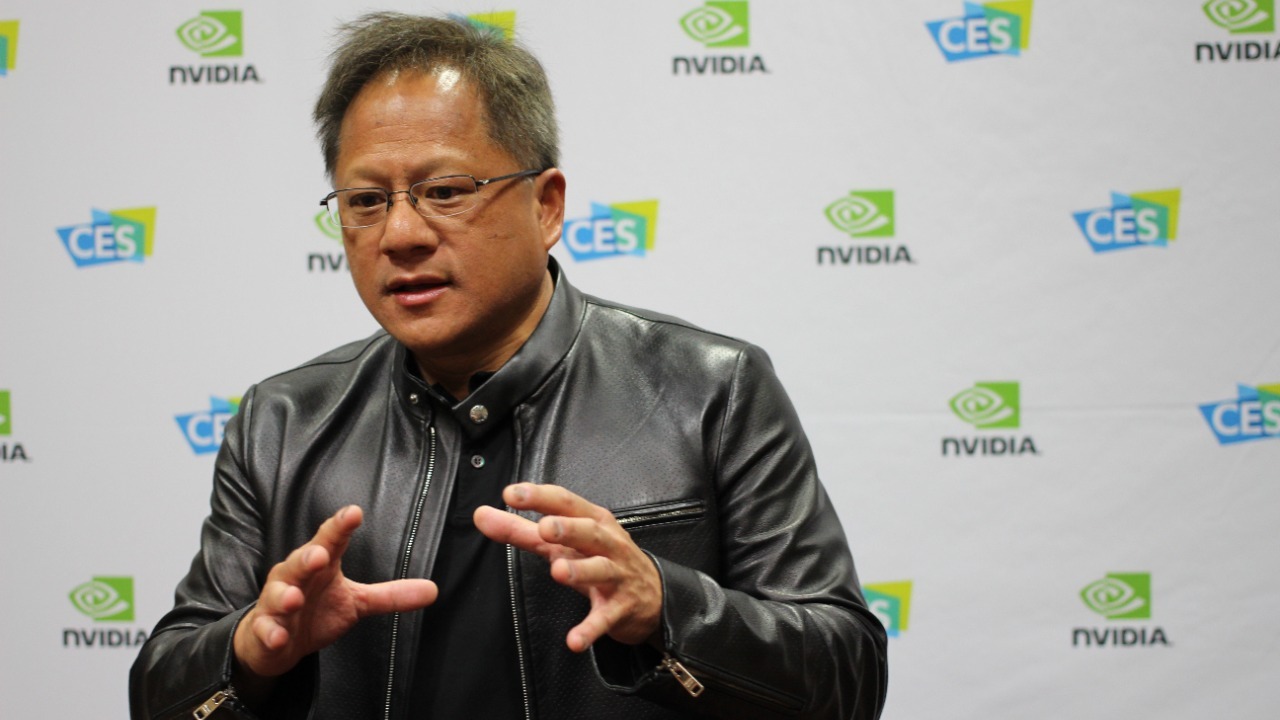
The Trump administration’s export controls were designed with specific objectives: to curb China’s access to advanced semiconductor technologies and thereby stall its AI development. These measures aimed to protect national security and safeguard U.S. technological leadership. However, the regulatory changes have also altered the landscape for U.S. tech companies, creating a new set of hurdles.
While the intent was to limit China’s progress, the measures have inadvertently impacted American companies like Nvidia. The export controls have imposed financial and strategic challenges, as firms like Nvidia must adapt to a market where significant portions of their revenue streams are affected. For instance, Nvidia’s dealings with Chinese tech firms have been constrained, impacting its bottom line. A detailed analysis by MarketWatch notes the complex balance Nvidia must strike between adhering to U.S. policies and sustaining its global market presence.
China’s Response and Adaptation
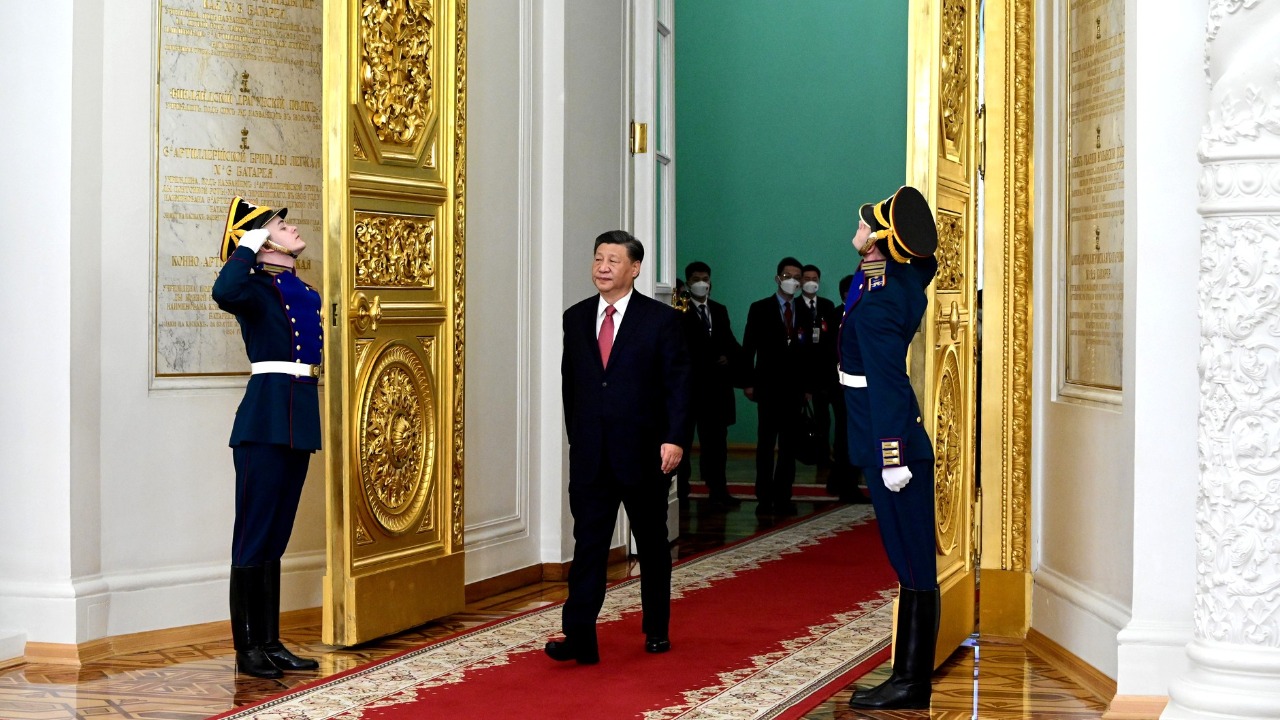
In response to U.S. export controls, China has implemented strategic countermeasures to bolster its domestic semiconductor production. The country’s initiatives include substantial investments in research and development, as well as partnerships with global tech firms to enhance its capabilities. China aims to reduce its reliance on foreign technologies, thus diminishing the impact of U.S. restrictions.
The effects of these policies on Chinese tech companies have been significant, prompting them to explore innovative strategies to overcome restrictions. While some firms have faced short-term setbacks, others have capitalized on the opportunity to develop indigenous technologies. This shift underscores the growing interdependence between U.S. and Chinese tech industries, as both sides navigate a complex web of cooperation and competition despite geopolitical tensions.
The Future of U.S.-China Tech Relations
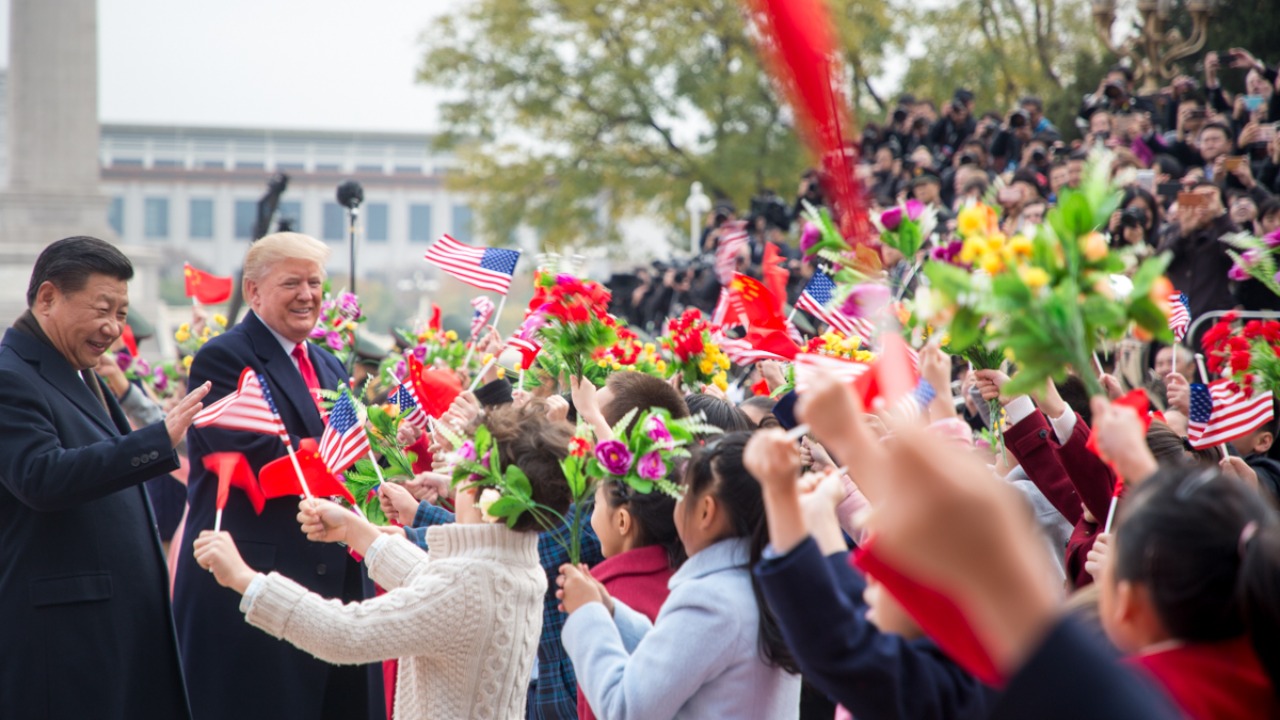
As the geopolitical landscape continues to evolve, prospects for policy shifts under subsequent U.S. administrations remain a topic of considerable speculation. Changes in policy could reshape tech relations with China, influencing the dynamics of the global tech industry. A future shift toward a more collaborative approach might encourage innovation and competition, fostering an environment conducive to technological advancement.
The long-term implications for the tech industry are profound, as companies like Nvidia must devise strategies to navigate this evolving landscape. Multinational tech companies are tasked with maintaining competitiveness and growth while adapting to shifting geopolitical realities. Insights into how companies can thrive in this environment are crucial for sustaining their market positions. Nvidia, for example, may need to explore partnerships and diversification to mitigate the impact of geopolitical tensions, as highlighted by analyses on its strategic maneuvers.

Grant Mercer covers market dynamics, business trends, and the economic forces driving growth across industries. His analysis connects macro movements with real-world implications for investors, entrepreneurs, and professionals. Through his work at The Daily Overview, Grant helps readers understand how markets function and where opportunities may emerge.

