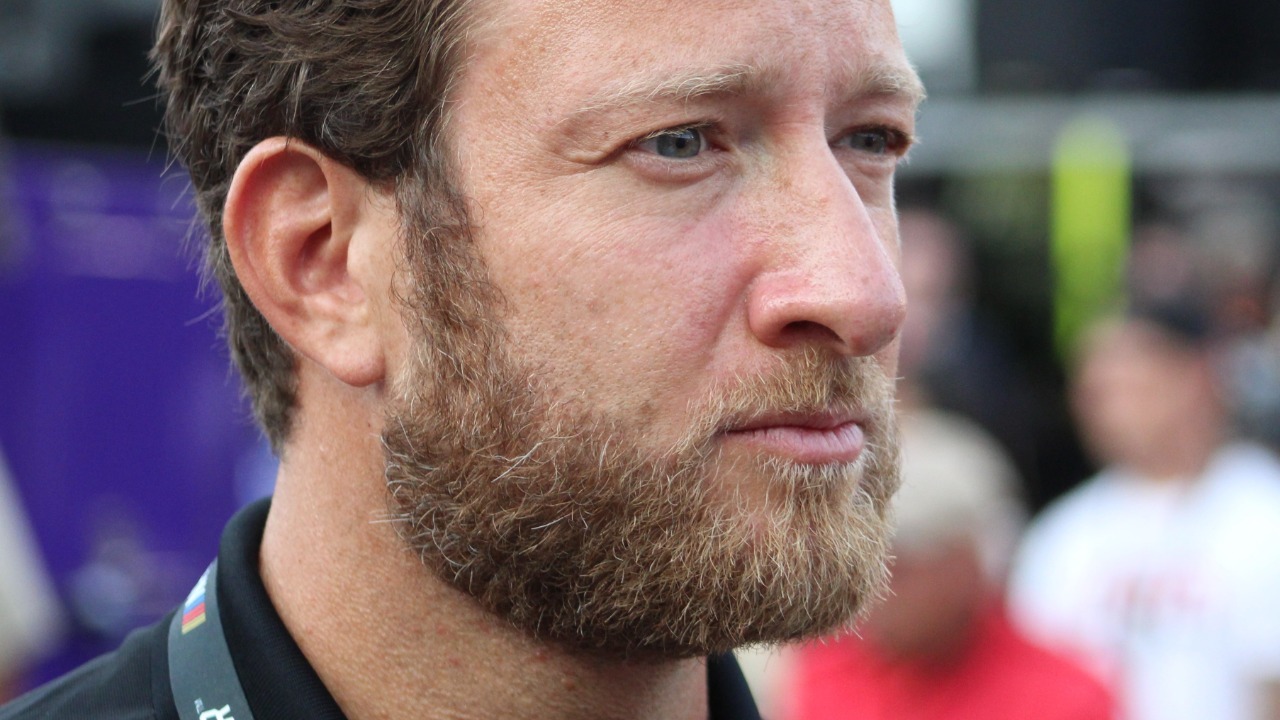
Dave Portnoy’s journey with Barstool Sports is a masterclass in strategic entrepreneurship. After selling the company for a staggering $551 million, Portnoy managed to buy it back for just $1, a move that has been hailed as one of the “great trades of all time.” This remarkable sequence of events not only highlights Portnoy’s business acumen but also offers valuable lessons in resilience and wealth-building strategies.
The $551 Million Sale of Barstool Sports
Dave Portnoy’s decision to sell Barstool Sports for $551 million was a culmination of the company’s impressive growth trajectory. Under Portnoy’s leadership, Barstool transformed from a small sports blog into a digital media powerhouse, capturing a vast audience with its unique blend of sports commentary and pop culture content. The sale was not just a financial windfall but a strategic move that underscored the company’s value in the sports media landscape. The buyer, Penn Entertainment, saw the acquisition as a way to leverage Barstool’s brand and audience to enhance its own market position, particularly in the burgeoning sports betting industry. The deal was structured to capitalize on Barstool’s strong brand identity and its potential to drive engagement and revenue in new markets.
Initial reactions to the sale were mixed, with some industry observers praising the valuation as a testament to Barstool’s influence, while others expressed concern about the company’s future direction without Portnoy at the helm. The sale raised questions about how Barstool would maintain its edgy, irreverent style under new ownership, and whether the brand could continue to thrive in a more corporate environment. Despite these concerns, the transaction marked a significant milestone in the evolution of sports media, highlighting the growing importance of digital platforms in reaching and engaging audiences.
Challenges and Shifts in Ownership
Following the $551 million sale, Barstool Sports faced several operational challenges that tested its resilience. The integration with Penn Entertainment brought about cultural and strategic shifts that altered the company’s content strategy and internal dynamics. Tensions arose as the new ownership sought to align Barstool’s operations with its broader corporate goals, leading to friction over creative control and brand identity. These challenges were compounded by regulatory issues that affected the company’s ability to operate independently, further straining the relationship between Barstool and its parent company.
Key events during this period included strategic pivots by Penn Entertainment that impacted Barstool’s autonomy and creative freedom. As the company grappled with these changes, Dave Portnoy’s role became increasingly limited, with external pressures mounting for a potential reversal of the original deal. The situation highlighted the difficulties of maintaining brand authenticity and independence within a larger corporate structure, underscoring the importance of strategic alignment between founders and acquirers.
The $1 Buyback Deal
The negotiation process for Dave Portnoy’s buyback of Barstool Sports for $1 was as symbolic as it was financially significant. After navigating the complexities of corporate ownership, Portnoy managed to regain control of the company at a nominal price, a stark contrast to the $551 million valuation at the time of sale. This move was not only a testament to Portnoy’s negotiating skills but also a reflection of the challenges Barstool faced under new ownership. The buyback was completed in 2023, restoring Portnoy’s leadership and allowing him to steer the company back to its roots.
The immediate effects of the $1 repurchase were profound, with a noticeable boost in team morale and a renewed sense of purpose within the organization. Barstool Sports quickly returned to its original ethos, focusing on the content and community that had made it successful in the first place. The buyback underscored the importance of leadership and vision in driving a company’s success, highlighting the value of maintaining a strong connection between a brand and its audience.
Dave Portnoy’s Net Worth Post-Buyback
Following the buyback, Dave Portnoy’s net worth remained substantial, buoyed by the proceeds from the initial $551 million sale and his ongoing revenue streams. Despite purchasing Barstool Sports back for $1, Portnoy retained significant financial assets, including equity stakes and personal investments that continued to generate wealth. According to Investopedia, his net worth reflects not only the financial gains from the sale but also the strategic value of owning a revitalized Barstool Sports.
Portnoy’s wealth is comprised of various components, including his equity in Barstool Sports, personal investments, and other business ventures. The company’s valuation recovery under his renewed leadership further contributed to his financial standing, illustrating the long-term benefits of strategic decision-making and brand stewardship. By comparing his pre- and post-buyback financial positions, it becomes clear that Portnoy’s approach to the sale and repurchase of Barstool Sports was not only financially astute but also strategically advantageous.
Lessons for Building Wealth from the Barstool Saga
The Barstool Sports saga offers several key lessons for entrepreneurs and investors looking to build wealth. One of the most important takeaways is the value of timing market opportunities. Portnoy’s decision to sell Barstool Sports at a peak valuation and subsequently buy it back for a fraction of the price demonstrates the importance of strategic timing in maximizing financial returns. Additionally, maintaining brand authenticity and staying true to a company’s core values can be crucial in navigating ownership transitions and preserving long-term value.
Risk management is another critical aspect of Portnoy’s strategy, as evidenced by his adaptability during the ownership changes. By remaining flexible and responsive to external pressures, Portnoy was able to reclaim control of Barstool Sports and steer it back to success. This adaptability is a valuable skill for entrepreneurs facing similar challenges, highlighting the importance of being prepared to pivot and adjust strategies as needed.
For those looking to apply these insights to their own ventures, practical advice includes leveraging negotiation tactics to secure favorable deals and using strategic foresight to anticipate market shifts. By focusing on these principles, individuals can enhance their ability to accumulate wealth and achieve long-term financial success. The Barstool Sports story serves as a powerful reminder of the potential rewards that come from strategic entrepreneurship and the importance of staying true to one’s vision.
More From TheDailyOverview
- Dave Ramsey says these two simple questions show whether you’re rich or poor
- Retired But Want To Work? Try These 18 Jobs for Seniors That Pay Weekly
- IRS raises capital gains thresholds for 2026 and what’s new
- 12 ways to make $5,000 fast that actually work

Grant Mercer covers market dynamics, business trends, and the economic forces driving growth across industries. His analysis connects macro movements with real-world implications for investors, entrepreneurs, and professionals. Through his work at The Daily Overview, Grant helps readers understand how markets function and where opportunities may emerge.