Understanding the financial landscape for retirees, particularly those in the upper class, is crucial as they transition into a phase of life heavily reliant on fixed incomes. As individuals reach age 70, navigating the retirement benefits landscape becomes essential. Insights into Social Security and other retirement incomes reveal how upper-class retirees manage their financial well-being during these golden years.
Understanding Upper-Class Retirement Income Sources

Upper-class retirees often leverage a variety of income sources to maintain their lifestyle in retirement. One of the most significant sources of income is Social Security benefits. By delaying their retirement until age 70, upper-class retirees can maximize their benefits, taking advantage of delayed retirement credits that increase monthly checks. This strategy can significantly enhance their financial security, providing a stable and predictable income stream.
Pension plans and annuities are also prevalent among upper-class retirees. Many have access to private pensions, which provide a steady income, supplementing Social Security. Annuities, whether purchased individually or offered through employer plans, offer another layer of financial security. These financial products can provide guaranteed income for life, allowing retirees to plan their expenses with confidence.
Investment income plays a crucial role in the financial portfolios of upper-class retirees. Dividends, interest, and capital gains from investments contribute significantly to their overall retirement income. With substantial assets often accumulated over a lifetime, these retirees can maintain a diversified investment portfolio that generates income while preserving capital. This strategy not only supports their current lifestyle but also ensures financial stability for the future.
The Role of Social Security at Age 70
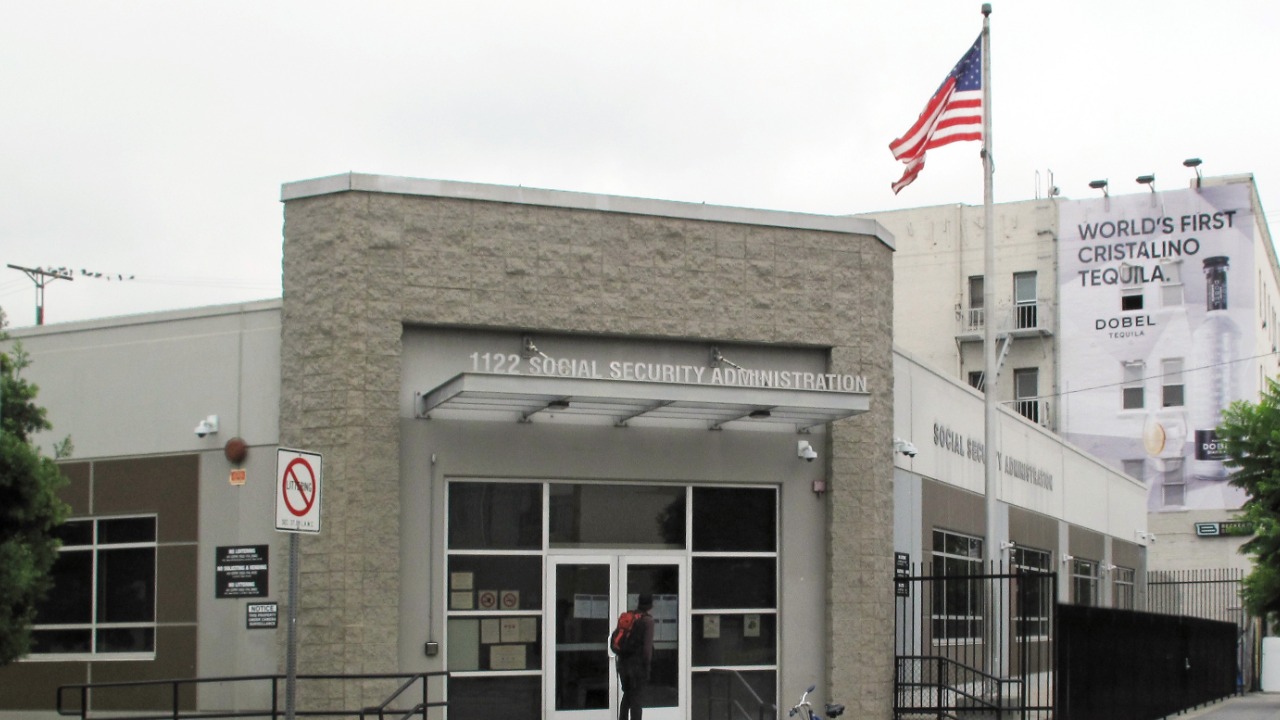
For upper-class retirees, Social Security remains a vital component of their retirement income. The average monthly Social Security check for individuals at age 70 can vary, but many upper-class retirees receive substantial benefits due to their higher lifetime earnings. Delaying Social Security benefits until age 70 allows them to maximize their monthly income, providing a more robust financial foundation.
Strategies for maximizing Social Security benefits are commonly employed by upper-class retirees. Deferred claiming is a popular approach, as it increases monthly payments by a significant percentage for each year benefits are delayed after reaching full retirement age. Additionally, some retirees may choose to coordinate benefits with their spouses, ensuring that the higher earner’s benefits are maximized for survivor benefits.
Inflation and cost-of-living adjustments (COLAs) significantly impact Social Security benefits. While COLAs aim to maintain the purchasing power of benefits, inflation can erode real income over time. Upper-class retirees must consider these factors in their financial planning to ensure that their benefits keep pace with rising living costs. By staying informed about economic trends and potential policy changes, they can better prepare for their future financial needs.Comparing Benefits Across Different Income Classes

When comparing benefits across different income classes, notable differences emerge between upper and middle-class retirees. Upper-class retirees typically receive higher Social Security benefits due to their higher lifetime earnings. However, the average middle-class retiree may rely more heavily on Social Security as their primary income source.
Several factors influence these benefit discrepancies. Career earnings history plays a significant role, as Social Security benefits are calculated based on the highest 35 years of earnings. Upper-class retirees often have more significant earnings peaks, resulting in higher benefits. Additionally, retirement age choices impact benefit amounts, with those delaying retirement typically receiving higher payments.
Potential policy changes in Social Security could further affect benefits for different income classes. Discussions around reform often consider raising the retirement age, adjusting COLAs, or altering benefit formulas. Such changes could have varying impacts on retirees depending on their income class. Upper-class retirees, with their diversified income sources, may be better positioned to adapt to these changes than those relying primarily on Social Security.
Additional Retirement Benefits Beyond Social Security

Beyond Social Security, healthcare and Medicare are critical components of retirement planning for upper-class retirees. Medicare provides essential coverage, but many retirees opt for supplementary health insurance to cover additional costs. These policies can offer peace of mind by protecting against significant out-of-pocket expenses for healthcare services, prescriptions, and long-term care.
Tax implications also play a crucial role in retirement planning. Taxes on Social Security benefits and other retirement income can significantly affect overall benefits. Upper-class retirees often employ tax-efficient strategies, such as Roth conversions or strategic withdrawals from retirement accounts, to minimize tax liabilities and maximize net income.
Estate planning and wealth transfer are essential considerations for upper-class retirees. Strategies such as setting up trusts, gifting, and charitable donations can help manage wealth and provide for heirs. By planning effectively, retirees can ensure that their financial legacy aligns with their goals and values, while also potentially reducing estate tax liabilities.
Planning for a Secure Retirement at Age 70 and Beyond

Financial planning is crucial for ensuring a secure retirement at age 70 and beyond. Upper-class retirees often work with financial advisors to create comprehensive plans that address income needs, investment strategies, tax planning, and estate considerations. By taking a holistic approach, retirees can make informed decisions that support their long-term financial security.
Lifestyle considerations, such as travel and leisure activities, play a significant role in shaping retirement spending and income needs. Upper-class retirees often have the financial flexibility to pursue hobbies, travel, and other personal interests. By aligning their financial plans with their lifestyle goals, they can enjoy a fulfilling and rewarding retirement.
Planning for long-term care and aging considerations is also vital. As retirees age, healthcare needs may increase, requiring additional resources and planning. Long-term care insurance and healthcare savings accounts can provide financial protection against the high costs of care. By addressing these needs proactively, retirees can ensure that they are prepared for any eventuality, maintaining their independence and quality of life.

Nathaniel Cross focuses on retirement planning, employer benefits, and long-term income security. His writing covers pensions, social programs, investment vehicles, and strategies designed to protect financial independence later in life. At The Daily Overview, Nathaniel provides practical insight to help readers plan with confidence and foresight.