
Retirees are increasingly targeted by fake debt collector scams, a trend highlighted in recent reports. With seniors often being more vulnerable to such fraudulent schemes, it’s crucial to recognize and prevent these scams. Additionally, Medicare scams are another prevalent threat, emphasizing the importance of vigilance among older adults.
Understanding Fake Debt Collector Scams

Scammers often impersonate legitimate debt collectors, using sophisticated tactics to pressure retirees into paying non-existent debts. These fraudsters typically contact their targets by phone, posing as representatives from well-known financial institutions or debt collection agencies. They may use official-sounding language and provide fake badge numbers to appear credible. The goal is to create a sense of urgency and fear, prompting the victim to act quickly without verifying the legitimacy of the claim. According to Fox News, these scammers are adept at psychological manipulation, often threatening legal action or arrest to intimidate their victims into compliance.
The psychological manipulation involved in these scams can be particularly effective against retirees, who may be more trusting or less familiar with modern scam tactics. Scammers exploit this by creating a high-pressure situation, insisting that immediate payment is necessary to avoid severe consequences. This tactic is designed to prevent the victim from taking the time to verify the debt or consult with family members or financial advisors. By understanding these methods, retirees can better protect themselves from falling victim to such schemes.
In addition to phone calls, scammers may also use emails or letters that appear official, complete with logos and letterheads of legitimate companies. These communications often contain threats of legal action or damage to credit scores if the supposed debt is not paid immediately. It’s important for retirees to scrutinize any unexpected correspondence and verify its authenticity before responding. The Federal Trade Commission (FTC) advises that legitimate debt collectors will provide a written validation notice within five days of first contacting you, which includes details about the debt and the creditor. If this is not provided, it is likely a scam.
Identifying Red Flags

Recognizing the red flags of fake debt collector scams is crucial for prevention. One common indicator is a request for payment through unconventional methods, such as gift cards or wire transfers. Legitimate debt collectors typically do not ask for payment in these forms. Additionally, scammers may refuse to provide written documentation of the debt or become aggressive when questioned. It’s important for retirees to remain calm and skeptical when receiving such calls. Verifying the identity of the caller by contacting the original creditor directly using official contact information is a critical step in confirming the legitimacy of the debt claim, as highlighted by Fox News.
Another red flag is the lack of detailed information about the debt. Scammers often provide vague or inconsistent details, which should raise suspicion. Retirees should ask for specific information, such as the name of the original creditor, the amount owed, and the date of the alleged debt. If the caller is unable or unwilling to provide this information, it is likely a scam. By being aware of these warning signs, retirees can better protect themselves from fraudulent debt collection attempts.
Steps to Protect Yourself

There are several actionable steps retirees can take to safeguard themselves against fake debt collector scams. Regularly reviewing credit reports is an effective way to spot unauthorized debts or suspicious activity. This proactive approach helps retirees stay informed about their financial status and detect potential fraud early. Additionally, registering phone numbers with the National Do Not Call Registry can reduce the risk of receiving scam calls. This registry is a valuable tool for minimizing unwanted solicitations and protecting personal information.
Retirees should also consider setting up alerts with their financial institutions to monitor for unusual transactions. These alerts can provide immediate notification of any suspicious activity, allowing for quick action to prevent further damage. Furthermore, maintaining open communication with family members and trusted advisors can provide additional support and guidance in identifying and responding to potential scams. By taking these precautions, retirees can enhance their financial security and reduce the risk of falling victim to fraudulent schemes.
Another effective measure is to educate oneself about common scam tactics and share this knowledge with peers. Community workshops or seminars hosted by local senior centers or libraries can be valuable resources for learning about the latest scams and prevention strategies. Additionally, retirees should consider using call-blocking technology or apps that can help filter out potential scam calls. These tools can be particularly useful in reducing the volume of unwanted calls and protecting personal information. By staying informed and utilizing available resources, retirees can significantly reduce their risk of falling victim to scams.
Resources and Support for Victims
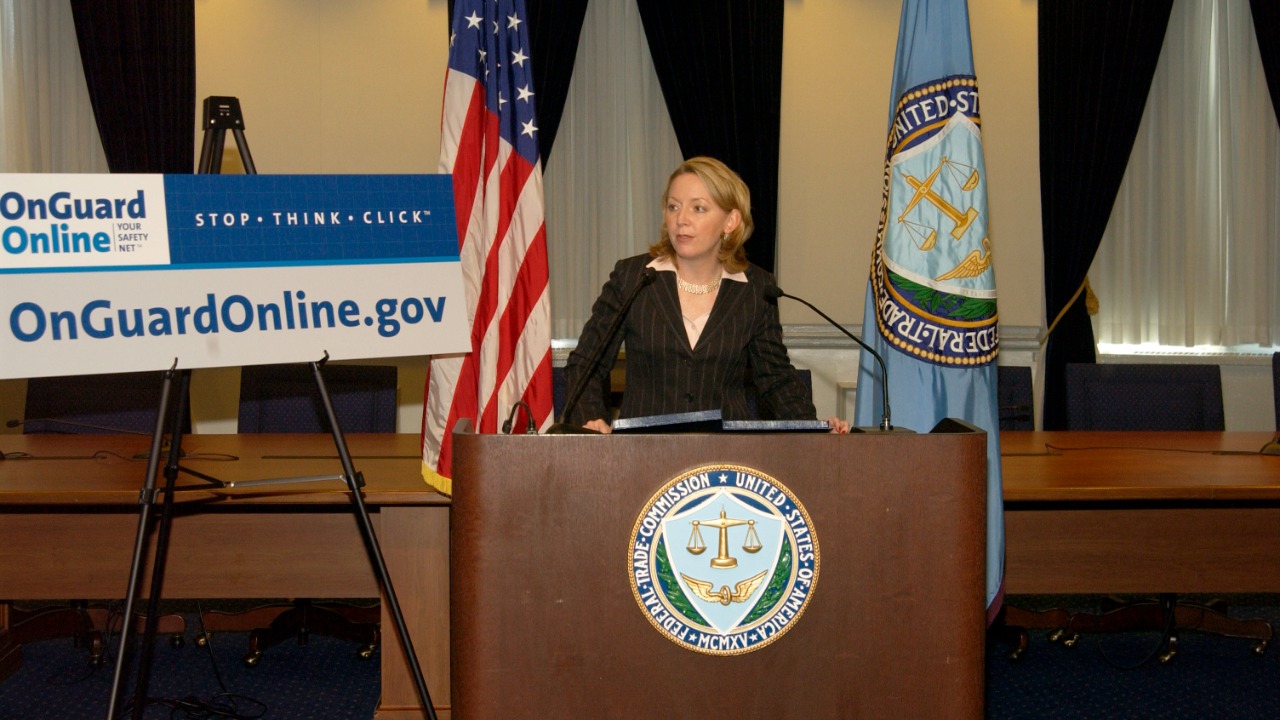
For those who have fallen victim to scams, there are resources available to report incidents and seek support. Victims can report scams to authorities such as the Federal Trade Commission (FTC), which investigates fraudulent activities and works to protect consumers. Additionally, senior advocacy organizations and legal aid services offer guidance and assistance to those affected by scams. These resources can provide valuable support in navigating the aftermath of a scam and taking steps to prevent future incidents.
It’s important for victims to act quickly in reporting scams and seeking help. By doing so, they can help prevent others from falling victim to similar schemes and contribute to the efforts of law enforcement in combating fraud. Retirees should not hesitate to reach out for support and utilize the resources available to them. By staying informed and proactive, they can protect themselves and their financial well-being.
Medicare Scams: A Related Threat

In addition to fake debt collector scams, retirees are also targeted by Medicare scams. Scammers pose as Medicare representatives, attempting to steal personal information by claiming that new Medicare cards or benefits require verification. These fraudulent calls often involve requests for sensitive information, such as Social Security numbers or bank account details. According to AOL, protecting Medicare information is crucial, and retirees should be cautious of unsolicited calls or emails asking for personal details.
To protect against Medicare scams, retirees should never provide personal information over the phone unless they have initiated the contact. It’s important to verify the identity of the caller by contacting Medicare directly using official contact information. Additionally, retirees should be aware of the common tactics used by scammers, such as creating a sense of urgency or offering fake incentives. By staying informed and vigilant, retirees can protect themselves from Medicare scams and safeguard their personal information.
Medicare scams can also occur through phishing emails that mimic official Medicare communications. These emails may direct recipients to fake websites designed to capture personal information. Retirees should be cautious of any email requesting personal details and verify the sender’s address for authenticity. According to AOL, legitimate Medicare communications will not ask for sensitive information via email. Retirees should report suspicious emails to the FTC and ensure their computer security software is up to date to protect against such threats.

Cole Whitaker focuses on the fundamentals of money management, helping readers make smarter decisions around income, spending, saving, and long-term financial stability. His writing emphasizes clarity, discipline, and practical systems that work in real life. At The Daily Overview, Cole breaks down personal finance topics into straightforward guidance readers can apply immediately.

