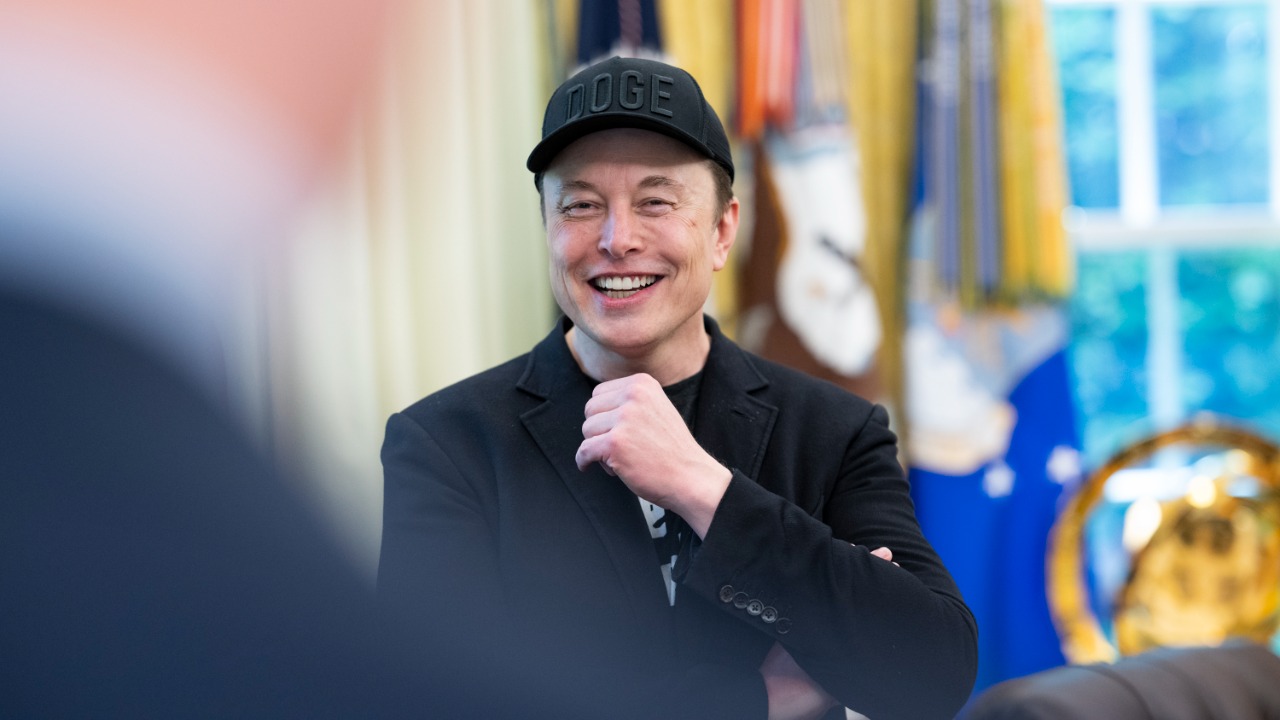
Following the significant DOGE cuts implemented by Elon Musk, Social Security workers are grappling with overwhelming demand and reduced resources. These cuts have led to what some sources describe as a “death spiral,” placing immense pressure on the remaining workforce. The New York Times reports that the situation has deteriorated to a point where the Social Security Administration is unable to adequately meet customer service demands.
The Impact of DOGE Cuts
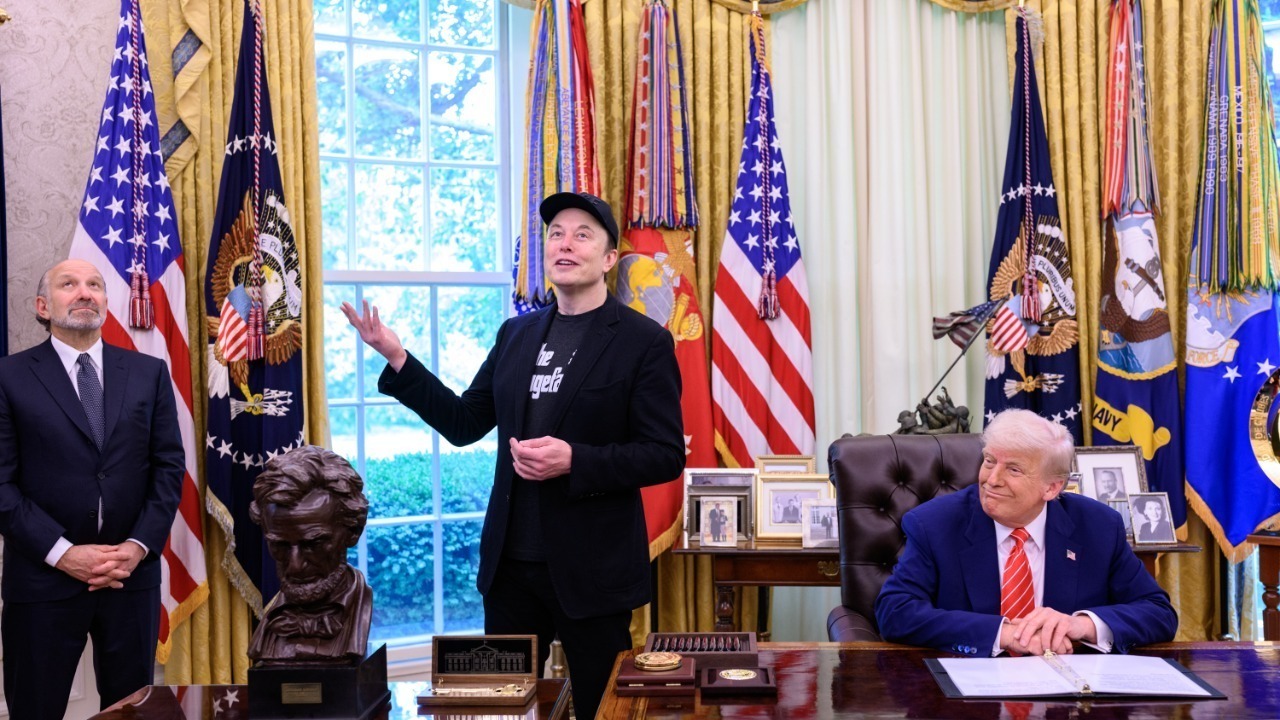
Elon Musk’s DOGE cuts have resulted in a smaller Social Security Administration, which is struggling to cope with increased demand for services. According to MarketWatch, the cuts have left the administration with fewer resources and personnel, making it difficult to manage the growing needs of the public. This reduction in capacity has been a significant challenge, as the demand for Social Security services continues to rise.
Newsweek describes the situation as a “death spiral,” where the cuts have severely impacted the administration’s ability to function effectively. The term “death spiral” highlights the downward trajectory that the Social Security Administration is experiencing due to these financial and staffing reductions. The cuts have not only reduced the workforce but have also strained the remaining employees, who are now tasked with handling an increased workload without the necessary support.
In addition to the immediate effects on staffing and resources, the DOGE cuts have also led to a significant decrease in the morale of Social Security workers. According to MarketWatch, employees are facing increased stress and burnout due to the heightened demands placed upon them. This has resulted in higher turnover rates, further exacerbating the staffing shortages and creating a cycle of strain that is difficult to break. The administration’s ability to recruit and retain skilled workers is being severely tested, as potential employees are deterred by the challenging working conditions and limited support.
Challenges Faced by Social Security Workers

After the cuts, NPR reports that remaining Social Security workers are struggling to keep up with the workload, leading to delays and frustration among those seeking assistance. The reduction in staff has resulted in longer wait times for services, and many individuals are finding it increasingly difficult to receive the help they need in a timely manner. This has led to growing dissatisfaction among the public, who rely on these services for essential support.
The New York Times highlights the increasing demand for Social Security services, which the current workforce is ill-equipped to handle due to the reductions in staff. The cuts have left the administration with fewer employees to manage a growing number of cases, resulting in a backlog of requests and a decrease in the quality of service provided. This situation has created a challenging environment for both the workers and the individuals they serve, as the system struggles to meet the needs of the population.
NPR highlights that the technological infrastructure of the Social Security Administration has also suffered due to the cuts. With reduced funding, the administration has struggled to maintain and upgrade its systems, leading to frequent technical issues and outages. These problems have compounded the difficulties faced by workers, who must navigate outdated systems while managing an overwhelming number of cases. The lack of modern technology not only slows down service delivery but also increases the likelihood of errors, further frustrating both employees and the public.
Elon Musk’s Influence and Legacy

The New Republic discusses how Elon Musk’s DOGE cuts have had more severe effects on Social Security than previously understood, exacerbating existing challenges within the administration. The cuts have not only reduced the workforce but have also limited the resources available to support the remaining employees, making it difficult for them to perform their duties effectively. This has led to a decline in the overall efficiency of the administration, as it struggles to keep up with the increasing demand for services.
MarketWatch reflects on Musk’s legacy at DOGE, noting the long-lasting impact of his decisions on the Social Security Administration’s capacity to meet public demand. The cuts have left a lasting mark on the administration, as it continues to grapple with the challenges posed by a reduced workforce and limited resources. This legacy is likely to have far-reaching implications for the future of the Social Security system, as it seeks to adapt to the changing needs of the population.
Public Response and Future Outlook
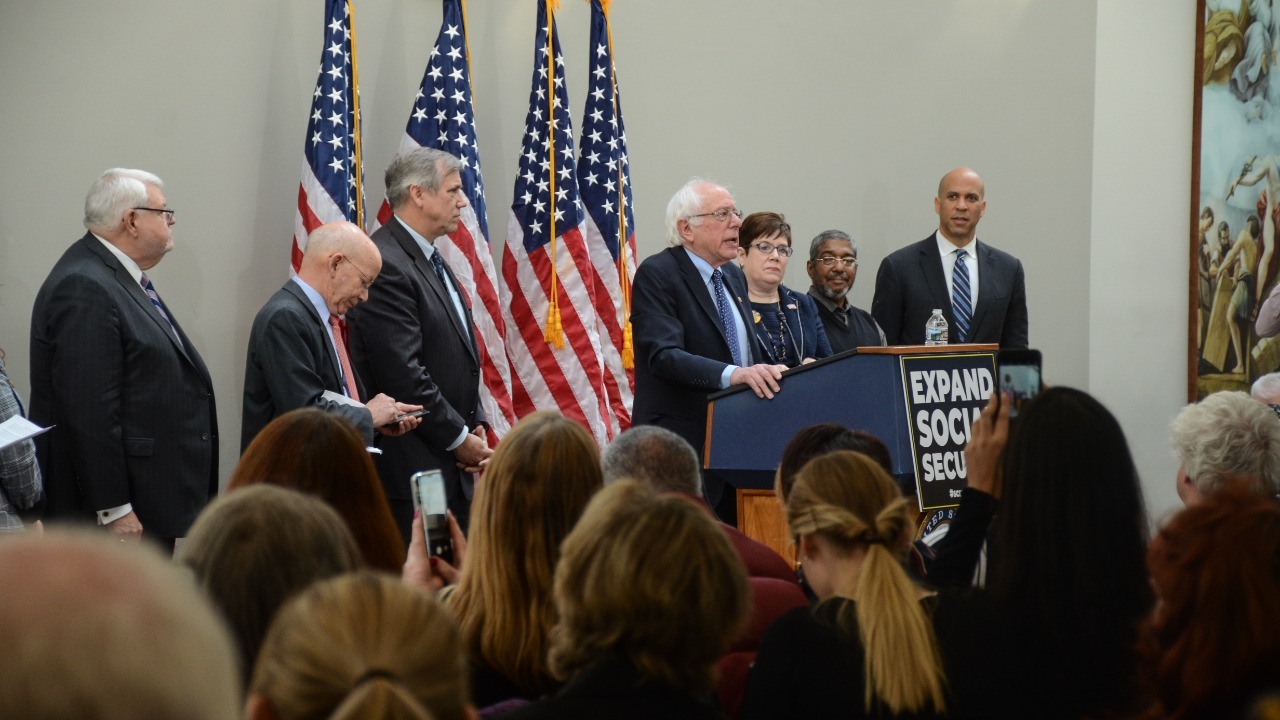
The New York Times article mentions public frustration due to extended wait times and inadequate service, which have become common occurrences post-cuts. The public’s dissatisfaction with the current state of the Social Security Administration is a reflection of the challenges faced by the system as it struggles to meet the needs of its users. This frustration is likely to continue unless significant changes are made to address the underlying issues caused by the cuts.
Looking ahead, stakeholders are concerned about the potential for further declines in service quality if the current situation is not addressed, as noted by various reports. The ongoing challenges faced by the Social Security Administration highlight the need for a comprehensive approach to address the issues caused by the DOGE cuts. Without significant intervention, the administration may continue to struggle with meeting the demands of the public, leading to further dissatisfaction and potential long-term consequences for the system as a whole.
As public dissatisfaction grows, there have been increasing calls for policy reform and additional funding to address the shortcomings of the Social Security Administration. The New York Times reports that advocacy groups are urging lawmakers to prioritize the restoration of resources and staffing levels to pre-cut standards. These groups argue that without immediate action, the administration’s ability to serve the public will continue to decline, potentially leading to a crisis in social support systems. The future of Social Security depends on the willingness of stakeholders to recognize the severity of the situation and implement necessary changes.

Nathaniel Cross focuses on retirement planning, employer benefits, and long-term income security. His writing covers pensions, social programs, investment vehicles, and strategies designed to protect financial independence later in life. At The Daily Overview, Nathaniel provides practical insight to help readers plan with confidence and foresight.

