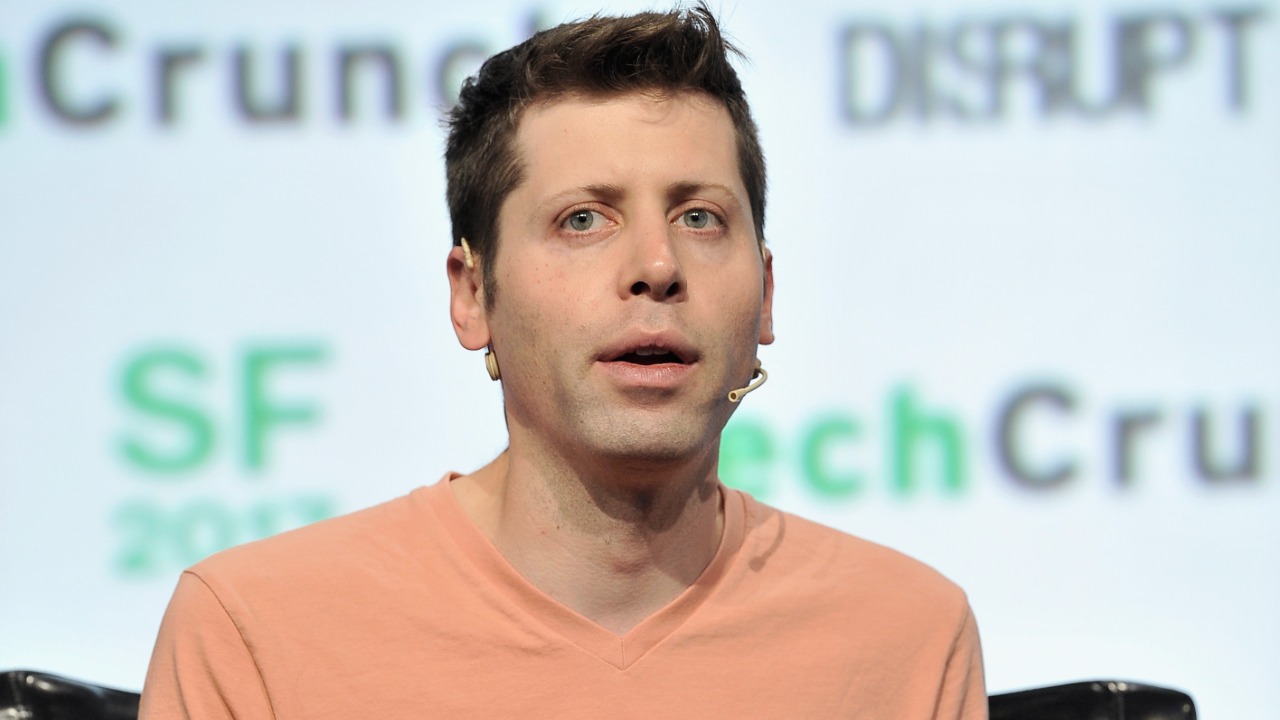
Sam Altman, the CEO of OpenAI, is emerging as a pivotal figure in the realm of cognitive technology, increasingly seen as a “minister of thought” for his role in advancing artificial intelligence. His influence is beginning to overshadow that of Mark Zuckerberg, whose long-standing dominance through Meta’s social platforms is being challenged. Recent analyses suggest that Altman’s innovations in AI are redefining how narratives are shaped, marking a shift from Zuckerberg’s era of social media interactions. This evolving rivalry highlights a broader competition for influence over public thought in the digital age.
Sam Altman’s Ascendancy in AI Leadership
Under Sam Altman’s leadership, OpenAI has achieved significant breakthroughs in generative AI models, which are transforming how personalized thought prompts are delivered to users. These advancements position Altman as a central figure in the field of cognitive technology. His vision for AI as a tool for human augmentation has captured widespread media attention, particularly in late October 2025. Altman’s strategic communications emphasize the potential of AI to enhance human capabilities, a narrative that resonates with both the tech community and the public at large. This focus on augmentation rather than replacement sets Altman apart in the tech industry.
Altman’s influence extends beyond technological innovation to policy discussions on AI ethics. His active participation in these discussions underscores his growing role as a thought leader. Reports highlight his involvement in shaping ethical frameworks for AI deployment, reflecting his commitment to responsible technology development. This engagement in policy and ethics further cements Altman’s status as a key player in the ongoing dialogue about AI’s role in society. His ability to navigate both the technical and ethical dimensions of AI positions him as a formidable leader in the tech landscape.
Mark Zuckerberg’s Evolving Role at Meta
Mark Zuckerberg’s impact on digital communication is undeniable, with Meta’s social features like the original “pokes” on Facebook having initiated viral social dynamics. However, recent challenges have emerged as Meta attempts to pivot towards AI integration. Despite these efforts, the company is perceived as lagging behind in pure AI innovation as of October 2025. This shift in focus reflects the changing landscape of digital influence, where AI-driven technologies are gaining prominence over traditional social media platforms.
In response to the growing competition from AI, Zuckerberg has steered Meta towards investments in open-source AI. This strategic move aims to bolster Meta’s capabilities in the AI domain, yet it underscores a shift from Zuckerberg’s previous role as the primary shaper of social thought. The company’s efforts to integrate AI into its platforms highlight the evolving nature of digital influence, where the ability to shape public thought is increasingly tied to technological innovation rather than social connectivity alone.
The Clash Between AI Prompts and Social Media
The rise of AI prompts under Altman’s leadership at OpenAI presents a direct challenge to the influence of social media platforms like Meta. AI prompts offer a more direct form of user ideation, contrasting with the indirect sway of algorithmic feeds on social media. This transition from relational nudges to predictive thought guidance is indicative of broader cultural shifts observed in October 2025. As AI-driven content creation gains traction, it begins to eclipse traditional social sharing, reshaping how individuals engage with digital content.
Real-world applications of AI-driven technologies illustrate this shift, with expert commentary highlighting the transformative impact of mind-shaping technologies. The ability of AI to generate personalized content that resonates with users’ preferences and interests marks a departure from the one-size-fits-all approach of social media algorithms. This evolution in digital interaction underscores the growing importance of AI in shaping public thought and discourse, challenging the traditional dominance of social media platforms.
Broader Implications for Thought Leadership
The competitive dynamics between Sam Altman and Mark Zuckerberg reflect a broader struggle for defining the future of human-AI interaction. As Altman continues to gain ground in the cognitive tech space, key metrics of influence, such as adoption rates of AI tools, highlight his edge in emerging cognitive markets. This shift in influence has significant implications for the tech industry, where the ability to shape public thought is increasingly tied to technological innovation.
Looking ahead, the rivalry between Altman and Zuckerberg could redefine global discourse, as battles over AI’s societal role intensify. The implications of this shift extend beyond the tech industry, influencing how individuals interact with digital content and engage with broader societal issues. As AI continues to evolve, its role in shaping public thought will likely become more pronounced, challenging traditional paradigms of influence and prompting new conversations about the ethical and societal implications of AI-driven technologies.
For further insights into this evolving landscape, explore the detailed analyses provided by Business Insider, Evrim Ağacı, and LinkedIn.
More From TheDailyOverview
- Dave Ramsey warns to stop 401(k) contributions
- 11 night jobs you can do from home (not exciting but steady)
- Small U.S. cities ready to boom next
- 19 things boomers should never sell no matter what

Grant Mercer covers market dynamics, business trends, and the economic forces driving growth across industries. His analysis connects macro movements with real-world implications for investors, entrepreneurs, and professionals. Through his work at The Daily Overview, Grant helps readers understand how markets function and where opportunities may emerge.

