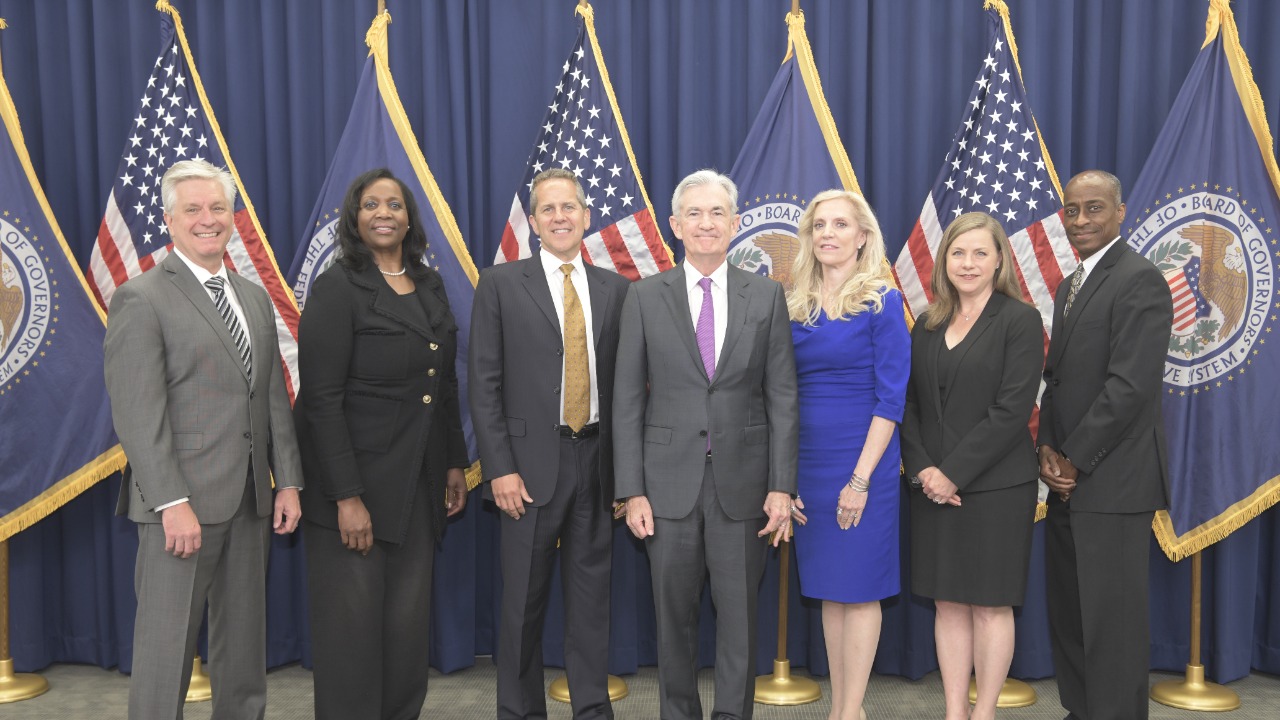
With the October jobs report in limbo, the Federal Reserve is staring at a rare data blackout just as it weighs whether the economy is slowing enough to justify rate cuts. Instead of a clean read on payrolls and wages, policymakers may be forced to lean on patchier indicators and backward-looking revisions, raising the risk of a misstep in either direction.
I see that uncertainty feeding directly into markets, which have been trading every hint of labor-market softness as a signal on the timing and size of the Fed’s next move. Without the usual monthly anchor, investors and officials alike could find themselves overreacting to partial data or clinging too tightly to old trends that may already be shifting.
Why a missing jobs report matters so much for the Fed
The monthly employment snapshot is the Fed’s closest thing to a dashboard light for how restrictive policy really is, so losing one installment at a critical juncture is not a trivial inconvenience. Payroll growth, the unemployment rate and average hourly earnings give officials a near real-time sense of whether higher borrowing costs are cooling demand or simply squeezing households without much disinflation payoff. When that information goes dark, the central bank’s dual mandate of maximum employment and stable prices becomes harder to balance, especially after a long tightening cycle that has already lifted benchmark rates to their highest level in years, according to Fed policy documentation.
In practice, the October report would have helped clarify whether the labor market is gliding toward a softer but still healthy pace or tipping into something more fragile. Earlier releases showed payroll gains slowing from the breakneck pace of the immediate post-pandemic rebound, while wage growth cooled from its peak but remained above levels consistent with the Fed’s 2 percent inflation goal, as reflected in recent employment situation summaries. Without a fresh reading, officials must infer how much further conditions have eased, a guess that becomes more consequential as they debate when to pivot from holding rates steady to cutting them.
The alternative indicators the Fed will lean on instead
In the absence of the headline jobs report, I expect the Fed to elevate a cluster of second-tier indicators that normally play a supporting role. High on that list are weekly initial jobless claims, which offer a timely, if noisy, read on layoffs and can flag a sudden deterioration in hiring before it shows up in monthly payrolls. Recent unemployment insurance filings have pointed to a gradual uptick in claims from their lows, suggesting some cooling but not a collapse in labor demand. Officials will also scrutinize the Job Openings and Labor Turnover Survey, where the ratio of vacancies to unemployed workers has been drifting lower, a sign that the once red-hot competition for staff is easing, according to the latest JOLTS data.
Beyond labor-specific metrics, the Fed will likely lean harder on inflation and spending gauges to triangulate the state of the economy. The personal consumption expenditures price index, the central bank’s preferred inflation measure, has shown headline and core inflation stepping down from their peaks, even as some service categories remain sticky, based on recent PCE releases. Retail sales and real consumer spending figures, which have moderated but not cratered, will help officials judge whether households are merely normalizing after an unsustainable boom or pulling back more sharply. None of these series, however, perfectly substitutes for a comprehensive jobs report, which is why the Fed typically treats them as corroborating evidence rather than the main driver of policy decisions.
How markets and policymakers may react to the data gap
For markets, the missing October report removes a key catalyst that usually anchors expectations around each Fed meeting. Traders in fed funds futures and Treasury yields often recalibrate their bets within minutes of the jobs release, rewarding signs of cooling with lower yields and punishing upside surprises with a sell-off. Without that focal point, I expect investors to magnify the importance of any partial signal, from private payroll estimates to corporate layoff announcements, which can inject more volatility into pricing. Recent trading around smaller data points, such as the ADP employment report and regional manufacturing surveys, already shows how quickly markets can swing when they are starved for clear direction, as seen in the reaction to the latest private payroll estimates and regional Fed surveys.
Inside the Fed, the data gap could sharpen an existing divide between officials who worry about cutting too late and those who fear cutting too soon. Some policymakers have argued that with inflation easing and real rates rising as price pressures fall, holding policy too tight for too long risks an unnecessary hit to employment, a concern reflected in recent FOMC minutes. Others emphasize that inflation has not yet returned firmly to target and warn that premature easing could reignite price pressures. Without a fresh jobs report to tilt the evidence decisively, I expect the committee to lean on its existing guidance and dot plot, signaling a cautious, data-dependent path while acknowledging that one of its most important data points is temporarily out of reach.
More From TheDailyOverview
- Dave Ramsey says these two simple questions show whether you’re rich or poor
- Retired But Want To Work? Try These 18 Jobs for Seniors That Pay Weekly
- IRS raises capital gains thresholds for 2026 and what’s new
- 12 ways to make $5,000 fast that actually work

Grant Mercer covers market dynamics, business trends, and the economic forces driving growth across industries. His analysis connects macro movements with real-world implications for investors, entrepreneurs, and professionals. Through his work at The Daily Overview, Grant helps readers understand how markets function and where opportunities may emerge.

