Once seen as a fringe trend, shipping container homes are now showing up in serious real estate conversations. Investors, developers, and even first-time buyers are looking at them as a way to beat rising costs, sidestep zoning hurdles, and create income faster. And it’s not just about saving money—it’s about shifting the economics of what’s possible in housing.
Build Costs Are Way Lower Than Traditional Homes
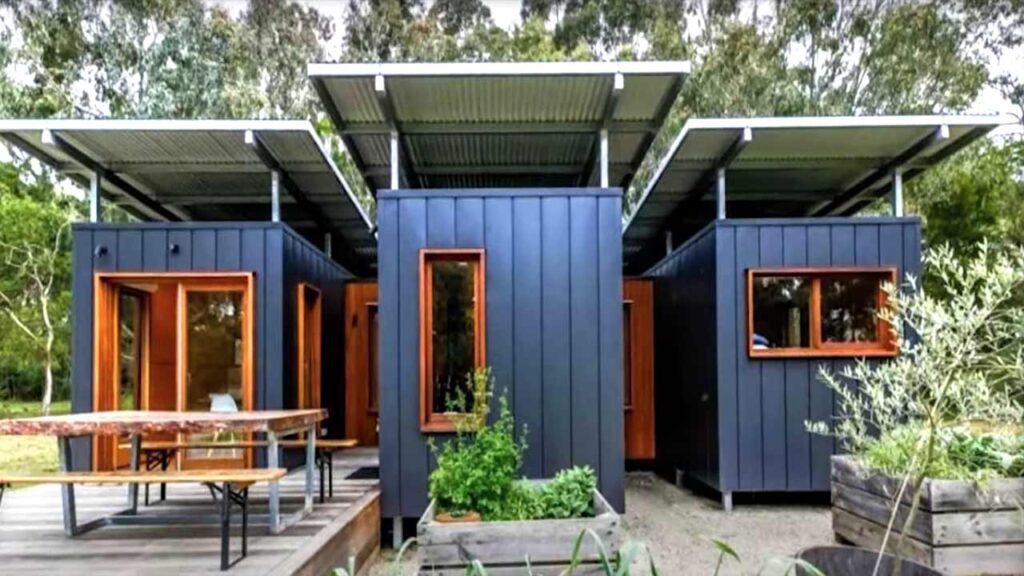
The biggest advantage is cost. A new stick-built home can easily run $150–$250 per square foot. Container homes? Closer to $50–$100 per square foot—depending on finishes, location, and prep work. That opens the door for people who couldn’t otherwise afford to build anything.
With smart design, a 2-container layout can become a stylish, functional 640 sq ft home for under $80K. And with prefab kits becoming more available, the timeline from concept to move-in keeps getting shorter.
They’re Turning into Rental Income Machines
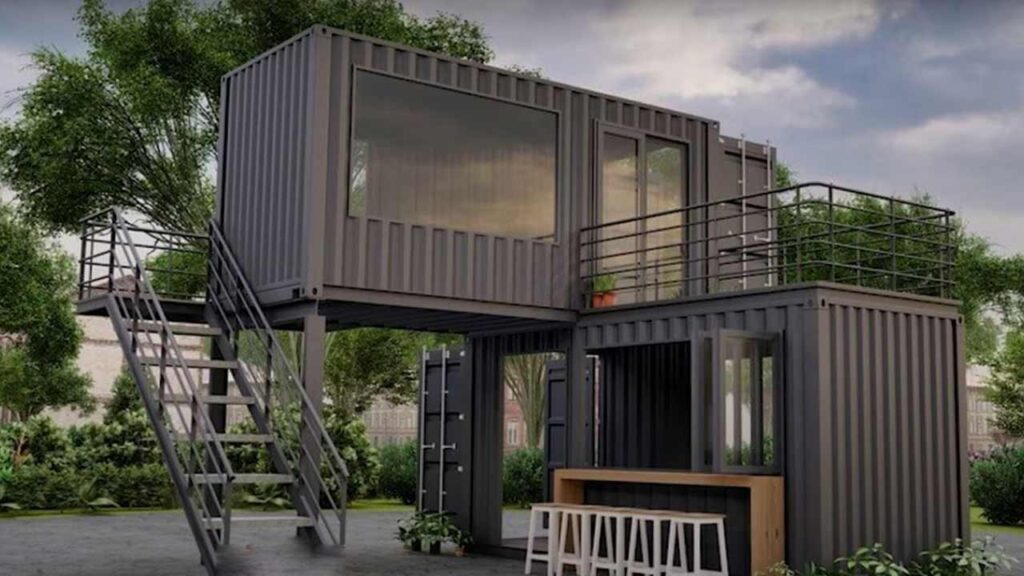
Short-term and mid-term rental investors are all over container builds. They stand out in Airbnb feeds, offer a unique experience, and often cost less to furnish. On the back end, the ROI can be higher than traditional homes because the upfront cost is so much lower.
In markets where hotel alternatives are in demand, a well-designed container home can bring in $100–$200 per night—and it doesn’t take many bookings to turn that into serious monthly cash flow.
Zoning and Permits Are Still a Hurdle—But That’s Changing
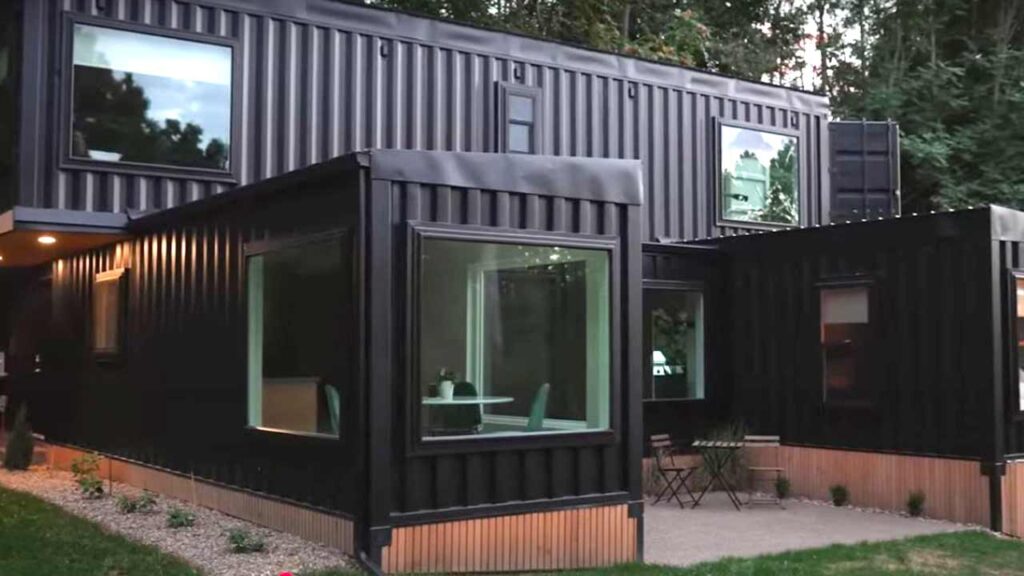
Not every city is onboard with container housing yet, but things are moving. Some counties are rewriting zoning codes to allow alternative builds, especially in areas trying to attract younger residents or fight housing shortages. Rural land with flexible rules is where a lot of the action is happening right now.
States like Texas, Arizona, and parts of Florida are especially active. Sites like Container Home Hub track code updates and design options if you’re looking to explore a build.
They’re Changing the Math on Land Investing
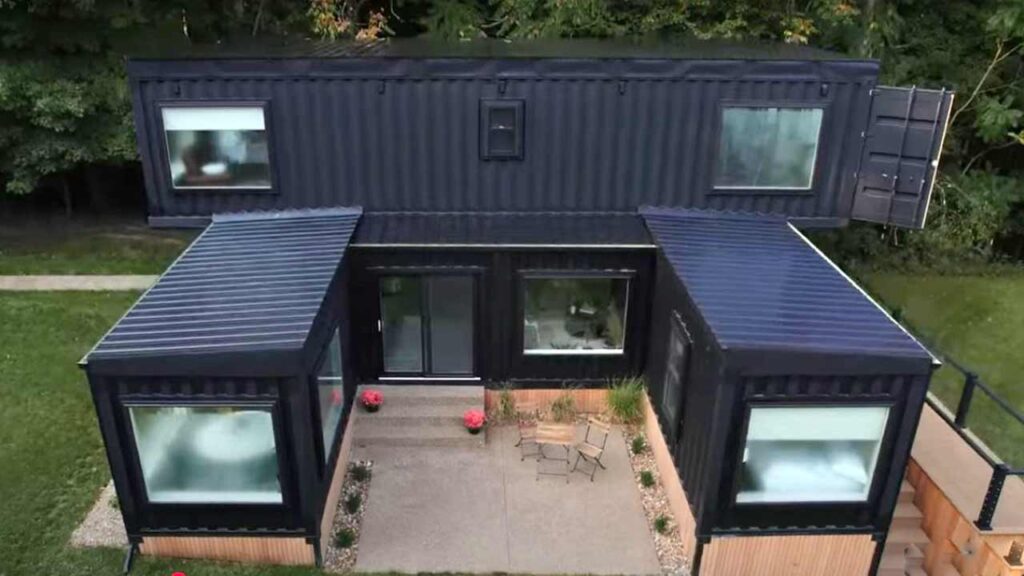
Cheap land usually comes with a catch—building on it is expensive. But when you drop a container home on a few acres of raw land, that equation changes. Suddenly, low-cost parcels in rural or edge-of-town areas become viable rental or flip projects.
This shift is drawing in more investors who would’ve ignored that land before. It’s not just about housing—it’s about making underutilized land profitable.
Minimalist Living Is Driving Demand

There’s a growing market of buyers who don’t want 3,000 square feet and a mortgage they’ll regret. They want flexibility, freedom, and something that doesn’t feel bloated. Container homes hit that sweet spot, offering just enough space to live well—without the financial weight of a traditional build.
For downsizers, digital nomads, or anyone sick of suburban sprawl, container living feels like a reset button.
The Bottom Line

Shipping container homes aren’t just a design trend—they’re a financial strategy. By cutting costs, unlocking more land, and accelerating time to income, they’re rewriting what’s possible in real estate. Whether you’re building one to live in, rent out, or flip, the economics behind them are hard to ignore.

Elias Broderick specializes in residential and commercial real estate, with a focus on market cycles, property fundamentals, and investment strategy. His writing translates complex housing and development trends into clear insights for both new and experienced investors. At The Daily Overview, Elias explores how real estate fits into long-term wealth planning.