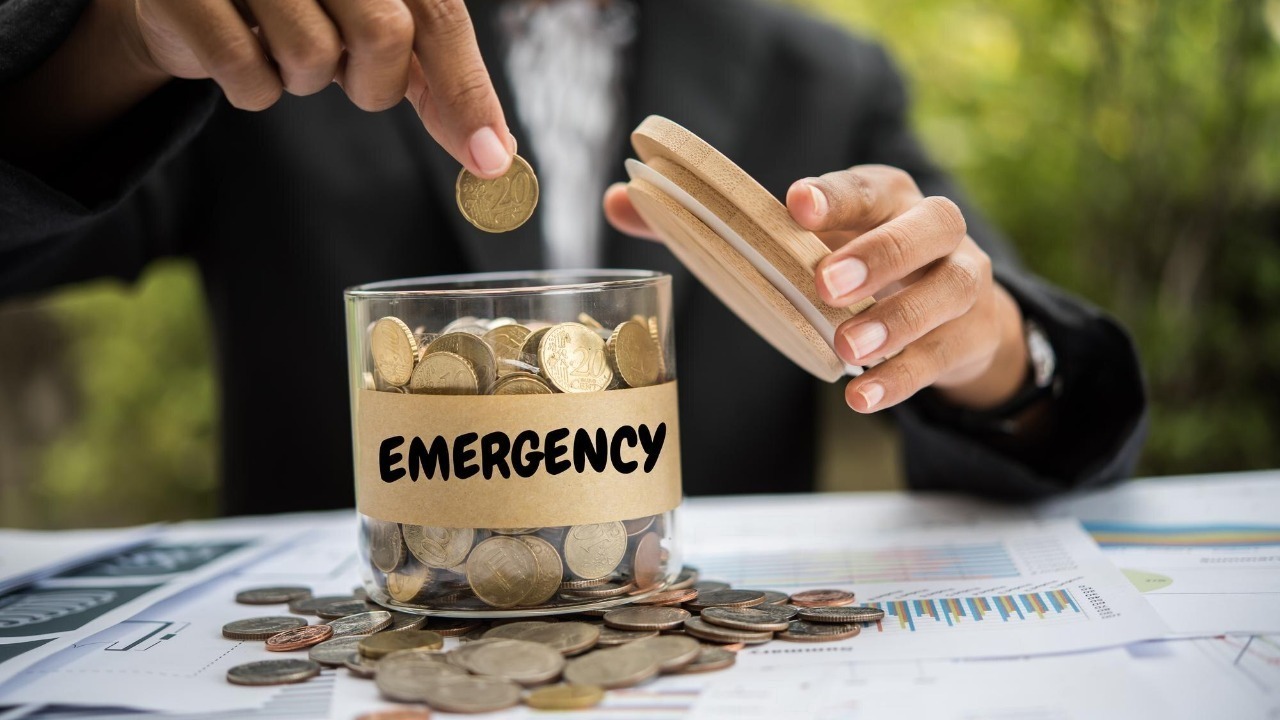
Building a $10k emergency fund quickly is a goal that offers financial security and peace of mind. Practical steps can help you accumulate this fund efficiently, leveraging strategies from financial experts and real-life success stories. By following these steps, you’ll be well on your way to creating a financial cushion that can cover unexpected expenses.
Setting Clear Financial Goals

Defining the purpose of your emergency fund is crucial. A clear objective helps maintain motivation and focus, especially when financial temptations arise. Ask yourself why you’re saving—whether it’s to cover medical emergencies, car repairs, or sudden unemployment. Understanding your “why” can be the driving force behind your savings journey. Financial literacy plays a pivotal role in setting achievable targets, allowing you to make informed decisions and avoid common pitfalls.
Establishing a realistic timeline is equally important. To determine a feasible timeframe, you need to evaluate your current financial situation. Break down the $10k goal into manageable monthly or weekly targets. For example, if you aim to save $10k in a year, that translates to approximately $833 per month or about $192 per week. Adjust these numbers based on your income and expenses to find a balance that works for you.
Assessing and Adjusting Your Budget
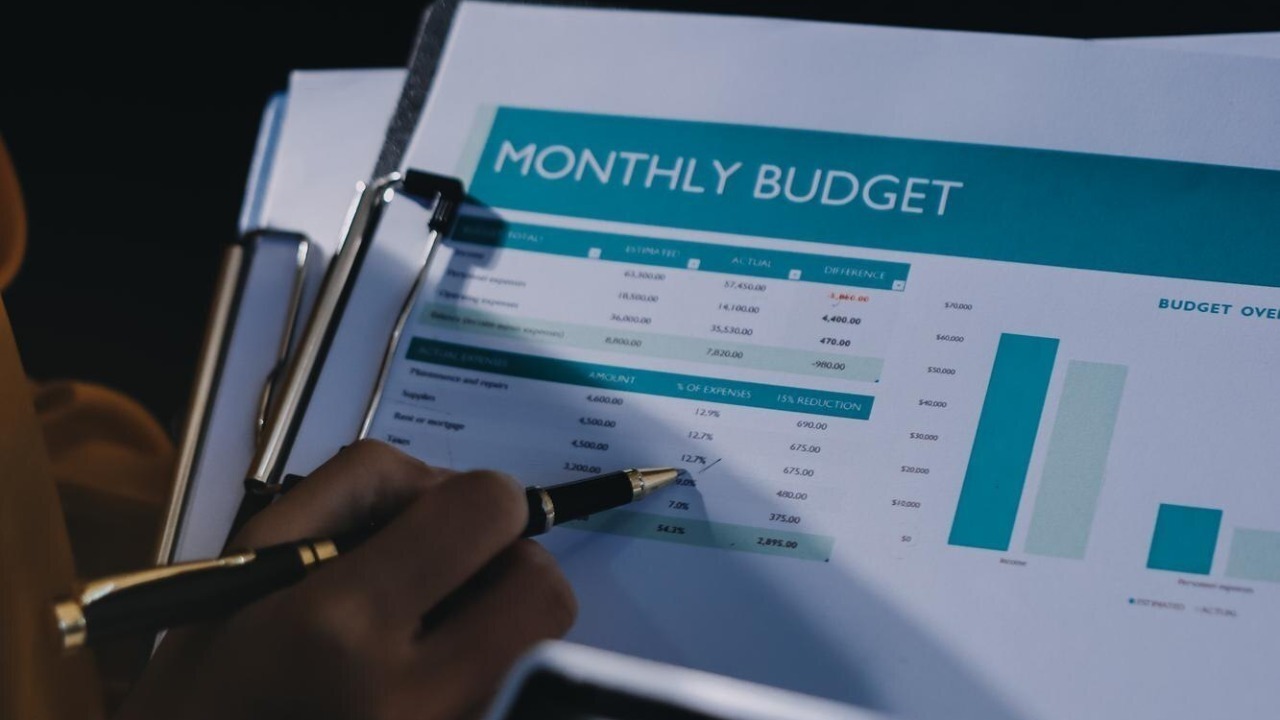
Conducting a thorough financial audit is a practical first step towards saving. Identify all income sources, fixed expenses like rent and utilities, and variable expenses such as dining out or entertainment. This audit will highlight areas where you can cut unnecessary spending. Many people are surprised to discover how much they spend on non-essential items, which can instead be channeled into savings.
Once you’ve audited your finances, it’s time to prioritize expenses and reallocate funds. Differentiating between needs and wants is essential. Focus on fulfilling your needs while minimizing spending on wants. Consider reallocating money from discretionary spending to savings. For example, if you spend $100 a month on coffee, cutting that in half can add $600 to your annual savings. Small changes like these, when consistently applied, can significantly impact your ability to build an emergency fund.
Increasing Your Income Stream

Exploring side hustles and gig economy opportunities can significantly accelerate your savings. Popular side hustles include ride-sharing services like Uber or delivering groceries through Instacart. These gigs offer flexible hours and can be tailored around your existing schedule. Freelancing and part-time work are also viable options, allowing you to leverage skills you already possess to earn extra income.
Leveraging your skills for higher income is another effective strategy. Consider upskilling or seeking promotions at your current job. Websites like Coursera or Udemy offer courses that can enhance your skills and increase your earning potential. Additionally, explore opportunities for passive income, such as investments in stocks or real estate. Rental properties can be a lucrative source of income, providing a steady cash flow that can be directed towards your emergency fund.
Automating Your Savings

Setting up automatic transfers to a dedicated savings account is a powerful way to ensure consistent savings. The principle of “out-of-sight, out-of-mind” means you’re less likely to spend money that’s automatically saved. Choose a savings account with favorable terms, such as high-interest rates or no monthly fees, to maximize your savings potential.
Utilizing technology and apps for savings can further enhance your efforts. Apps like Acorns round up your purchases and deposit the difference into savings, while budgeting tools like Mint help track your progress. These technologies make it easier to adopt good savings habits and keep you motivated towards achieving your $10k goal.
Staying Motivated and Accountable

Tracking progress and celebrating milestones are effective ways to stay motivated. Use visual aids like charts or spreadsheets to monitor your savings, and consider rewarding yourself for hitting significant milestones. This could be as simple as treating yourself to a small luxury or taking a day off to relax and reflect on your achievements.
Building a support system is also crucial. Share your goals with friends or family for accountability. They can offer encouragement and remind you of your progress when your motivation wanes. Online communities and forums can also be valuable resources, providing advice and support from individuals who share similar goals. Engaging with these groups can offer new insights and keep you motivated throughout your savings journey.
By following these detailed strategies, you can rapidly build a $10k emergency fund. Drawing on various expert references and practical advice, these steps will guide you towards financial security and peace of mind. For more insights, consider exploring additional resources such as academic studies and motivational articles that delve deeper into effective savings strategies.

Cole Whitaker focuses on the fundamentals of money management, helping readers make smarter decisions around income, spending, saving, and long-term financial stability. His writing emphasizes clarity, discipline, and practical systems that work in real life. At The Daily Overview, Cole breaks down personal finance topics into straightforward guidance readers can apply immediately.

