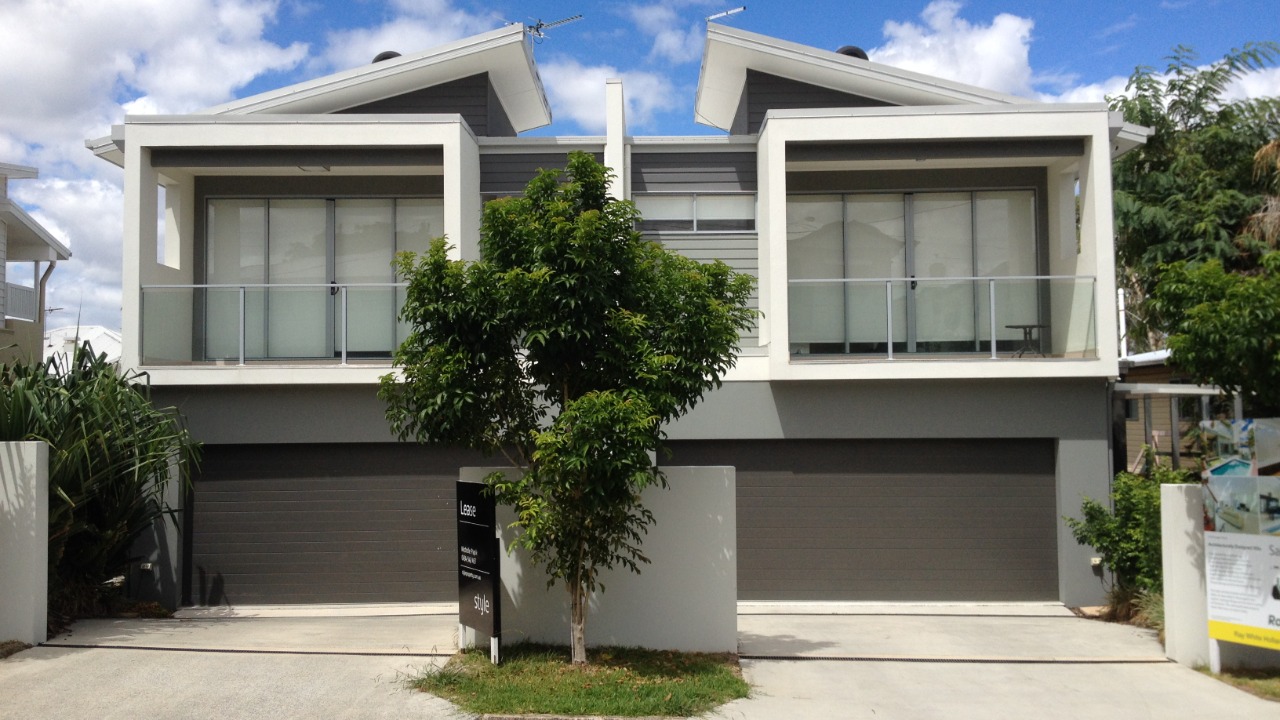
Purchasing a duplex can be a savvy investment, offering both a home and rental income under one roof. However, the process can seem daunting, especially for first-time buyers. This guide breaks down the steps to ensure a smooth and stress-free experience.
Understanding the Duplex Market

Before diving into the duplex market, it’s crucial to research local real estate trends. Understanding current property values and typical rental incomes in your desired area can provide a clearer picture of what to expect. Local real estate websites, forums, and talking to real estate agents can help you gauge the market’s pulse. For instance, certain neighborhoods may have higher demand due to proximity to amenities, impacting both purchase prices and rental potential.
Analyzing the financial benefits of owning a duplex is another essential step. Evaluate potential rental income against mortgage costs to determine profitability. For example, if the monthly rental income significantly offsets the mortgage, this could be a financially wise decision. Additionally, take into account other expenses like property taxes, insurance, and maintenance costs. It’s important to ensure that these costs don’t outweigh your rental income, thus impacting your bottom line.
Finally, familiarize yourself with local zoning laws and regulations. Whether you intend to live in one unit and rent the other or rent out both, compliance with zoning laws is non-negotiable. Ensure the property is zoned for multi-family use, especially if you plan to make modifications or expand. Ignoring these regulations could lead to costly legal issues down the road.
Financial Preparation and Pre-Approval

Assessing your financial situation is a foundational step in the duplex buying process. Start by calculating your budget, which should include the down payment, closing costs, and potential repairs. If you’re eyeing a property that requires renovation, factor these costs into your budget to avoid any financial surprises. For instance, a 20% down payment is typically required, but some lenders may offer options with lower down payments.
Improving your credit score can also play a significant role in securing better mortgage rates and terms. A higher credit score signifies to lenders that you’re a responsible borrower, potentially granting access to more favorable loan terms. Simple steps like paying off outstanding debts and ensuring timely payments can boost your credit score over time.
Getting pre-approved for a mortgage is a crucial step that clarifies your budget and signals to sellers that you are a serious buyer. Pre-approval involves a lender evaluating your financial situation and determining how much they are willing to lend you. This not only helps in setting a realistic budget but also makes the buying process smoother when you find the right property.
Finding the Right Property

Partnering with a knowledgeable real estate agent can make a significant difference in your duplex buying journey. Choose an agent with experience in duplex transactions who understands your needs and preferences. A seasoned agent can provide valuable insights into market trends, property values, and neighborhood dynamics, helping you make informed decisions.
Conducting thorough property inspections is essential to identify potential issues that could lead to costly repairs down the line. Hiring a professional inspector to assess the property’s condition, from the roof to the foundation, can help uncover hidden problems. For example, checking for structural integrity, plumbing issues, and electrical system functionality can prevent future headaches.
Evaluating neighborhood amenities is another important factor when selecting a duplex. Consider proximity to schools, public transportation, and other essentials that could influence rental desirability. A well-connected neighborhood with good schools can attract long-term tenants, ensuring a steady rental income. Additionally, assess the safety and overall vibe of the neighborhood to ensure it aligns with your lifestyle and investment goals.
Navigating the Purchase Process

Making a competitive offer is crucial in a competitive real estate market. Use market data and your agent’s expertise to craft an appealing offer that stands out to sellers. Consider factors like recent comparable sales, property condition, and market trends to determine a fair offer price. In some cases, offering slightly above the asking price can secure the property, especially in high-demand areas.
Understanding the terms of the sale is vital to avoid unexpected surprises. Pay close attention to contingencies, closing timelines, and any special conditions outlined in the contract. For instance, a financing contingency protects you if your loan doesn’t go through, while an inspection contingency allows you to withdraw if significant issues are uncovered during inspection.
Hiring a qualified real estate attorney ensures all contracts and legal documents are in order to protect your interests. An attorney can review agreements, negotiate terms, and address any legal concerns that arise during the transaction. Their expertise can provide peace of mind, ensuring that your investment is legally sound.
Managing the Property Post-Purchase

Developing a management plan is a key step in ensuring the success of your duplex investment. Decide whether you will manage the property yourself or hire a property management company. Self-managing allows for direct control and cost savings, but can be time-consuming. On the other hand, a management company can handle tenant screening, maintenance, and rent collection, freeing up your time.
Screening tenants carefully is crucial to finding reliable renters who will respect your property and pay rent on time. Establish a thorough vetting process that includes background checks, credit assessments, and references from previous landlords. A well-screened tenant can lead to fewer issues and a more stable rental income.
Preparing for unexpected expenses is essential to maintaining your property’s condition and value. Setting aside a reserve fund for maintenance and repairs ensures you can address issues promptly without financial strain. Whether it’s a leaky roof or a broken appliance, being financially prepared for these occurrences can save you from larger problems down the road.

Elias Broderick specializes in residential and commercial real estate, with a focus on market cycles, property fundamentals, and investment strategy. His writing translates complex housing and development trends into clear insights for both new and experienced investors. At The Daily Overview, Elias explores how real estate fits into long-term wealth planning.

