Free trials offer an enticing opportunity to experience a product or service without immediate financial commitment. Yet, beneath this appealing surface lies the potential for unexpected expenses that slowly erode your savings. By understanding the mechanisms and psychology behind free trials, consumers can better protect their finances from these subtle drains.
The Allure of Free Trials

The concept of “free” creates an irresistible allure for most consumers. When faced with a free trial, the immediate reaction often bypasses rational decision-making processes. According to behavioral economics, the word “free” triggers an emotional response that overshadows potential future costs. Consumers feel they are gaining something valuable without any associated risk or expense, which can lead to underestimating the actual financial implications.
Companies capitalize on this psychological appeal through strategic marketing tactics. Persuasive marketing techniques, such as limited-time offers and exclusive access, are designed to hook consumers into signing up for free trials. Streaming services like Netflix and apps like Adobe Creative Cloud offer free trials to attract users, confident that a significant percentage will convert to paying customers. This approach leverages the initial perceived value of the offering, making it difficult for consumers to resist, despite not fully considering the long-term costs.
The Transition from Free to Paid
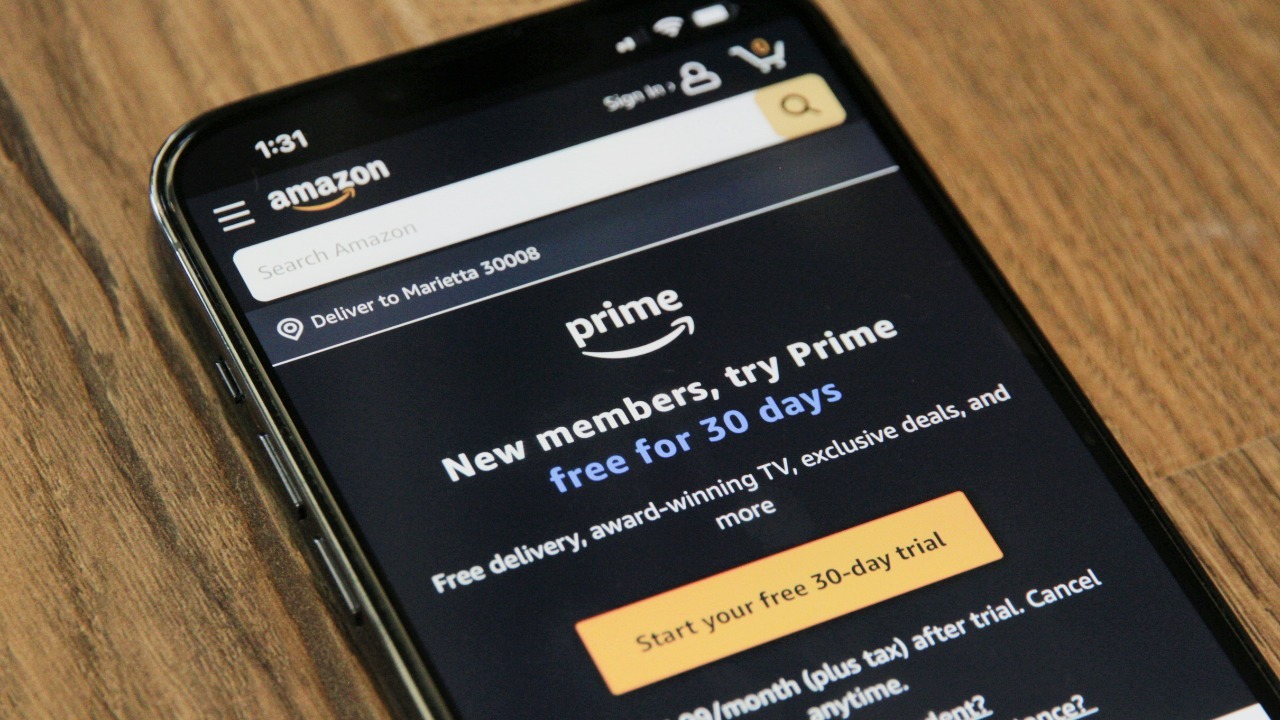
One of the most common strategies employed by companies is requiring credit card information upfront, even for free trials. This practice facilitates a seamless transition from free to paid subscriptions once the trial period ends. Many consumers don’t realize they are consenting to automatic billing, leading to unexpected charges on their accounts. For instance, services like Amazon Prime offer a 30-day free trial, but if not canceled, it automatically renews into a paid subscription.
The hustle and bustle of daily life often leads to forgetfulness and oversight when it comes to trial expirations. In a world cluttered with digital notifications and responsibilities, remembering to cancel a trial before the billing kicks in can easily slip through the cracks. This oversight, combined with subscription inertia, creates a situation where consumers continue paying for services they no longer use. The psychological barriers to cancellation can be strong, as people often justify ongoing payments with the notion that they might use the service in the future.
Financial Impact of Overlooked Subscriptions

Over time, small subscription fees can add up significantly, quietly draining savings without immediate notice. A $9.99 monthly charge might seem insignificant, but when multiple unused subscriptions accumulate, they can represent a substantial annual cost. According to a study by MSN, many people are unaware of how much they spend on digital subscriptions, which can lead to financial strain.
These overlooked charges also represent missed financial opportunities. Money tied up in unused subscriptions could be redirected towards more fruitful investments or savings. The opportunity cost of these subscriptions can be significant, especially when considering the potential growth of savings or investments over time. Furthermore, unexpected renewals can disrupt personal budgeting efforts, leading to stress and potential financial instability.
Strategies for Managing Free Trials

To manage free trials effectively, it is essential to keep track of them and set reminders to cancel before charges occur. One practical approach is to use calendar alerts or reminder apps to notify you of impending trial expirations. Additionally, regularly reviewing and assessing the necessity of active subscriptions can help prevent unnecessary expenses. By evaluating whether a service is truly needed, consumers can make more informed decisions about maintaining or canceling subscriptions.
Utilizing digital tools and apps designed for subscription management can further streamline this process. Apps such as Truebill and Bobby help users monitor their subscriptions and identify areas where they can cut costs. These tools provide a comprehensive overview of all active subscriptions, making it easier to manage and cancel services that are no longer needed. Investopedia suggests these kinds of tools are invaluable for maintaining financial control.
Protecting Your Financial Well-being

Mindful decision-making is crucial when considering free trials. By consciously evaluating the need and potential long-term costs associated with a trial, consumers can prevent unnecessary financial commitments. This involves assessing the genuine value a service provides and whether it aligns with personal needs and priorities.
Exploring alternatives to free trials, such as one-time purchases or pay-as-you-go models, can help avoid the subscription trap. These alternatives allow consumers to maintain control over their expenses without the risk of unintentional renewals. For example, instead of signing up for a gym membership with a free trial, one might consider purchasing a class pass or pay-per-visit option until certain of the commitment.
Finally, consumer education plays a vital role in recognizing and avoiding the pitfalls of free trials. By staying informed about the strategies companies employ, individuals can better navigate the landscape of digital subscriptions. Resources like this video from Arrowhead Credit Union highlight practical tips for managing subscriptions and protecting financial well-being.

Cole Whitaker focuses on the fundamentals of money management, helping readers make smarter decisions around income, spending, saving, and long-term financial stability. His writing emphasizes clarity, discipline, and practical systems that work in real life. At The Daily Overview, Cole breaks down personal finance topics into straightforward guidance readers can apply immediately.