
Finding ways to cut down on monthly expenses can lead to significant savings. By examining different aspects of your spending, you can easily identify areas to trim. Whether it’s through negotiating bills or making smarter choices, small efforts can lead to substantial financial relief. Here are 12 effective strategies to help you save up to $500 each month.
Negotiate Your Rent or Mortgage

Negotiating your rent or mortgage may seem daunting, but it’s a viable option for reducing monthly expenses. If you’re renting, try to negotiate with your landlord for a lower rate, especially if you’re a long-term tenant. For homeowners, consider refinancing your mortgage to lock in a lower interest rate. According to Debt.org, a reduced rate can save you hundreds each month, especially if you’re in a high-interest loan.
Switch to a Cheaper Phone Plan

Reviewing and switching your phone plan can lead to significant savings. Many carriers offer competitive rates, especially for those who bring their own devices or opt for family plans. Consider switching to providers like Mint Mobile or Google Fi, which often provide excellent coverage at a fraction of the cost. Additionally, check for discounts you might be eligible for, such as those available through your employer or professional associations.
Cut Cable and Opt for Streaming Services

Cable TV can be an expensive monthly commitment. By switching to streaming services such as Netflix, Hulu, or Disney+, you can access a wide variety of content for a much lower cost. Many streaming services offer bundles and discounts, allowing you to tailor your entertainment options without the hefty price tag. This shift not only saves money but often provides more flexible viewing options.
Reevaluate Your Grocery Spending

Groceries are a necessity, but overspending isn’t. Start by planning meals in advance, making a list, and sticking to it to avoid impulse purchases. Look for store brands and sales, and consider using apps like Ibotta or Checkout 51 for cashback on everyday purchases. By shopping smart, you can cut your grocery bill significantly each month while still enjoying quality meals.
Cancel Unused Subscriptions and Memberships

Many people maintain subscriptions and memberships they rarely use. Take the time to review your monthly charges and identify services that you can live without. Whether it’s that gym membership you haven’t used or a magazine subscription that’s collecting dust, cutting these expenses can add up. Use tools like Truebill or Trim to help manage and cancel unwanted subscriptions effortlessly.
Reduce Energy Consumption
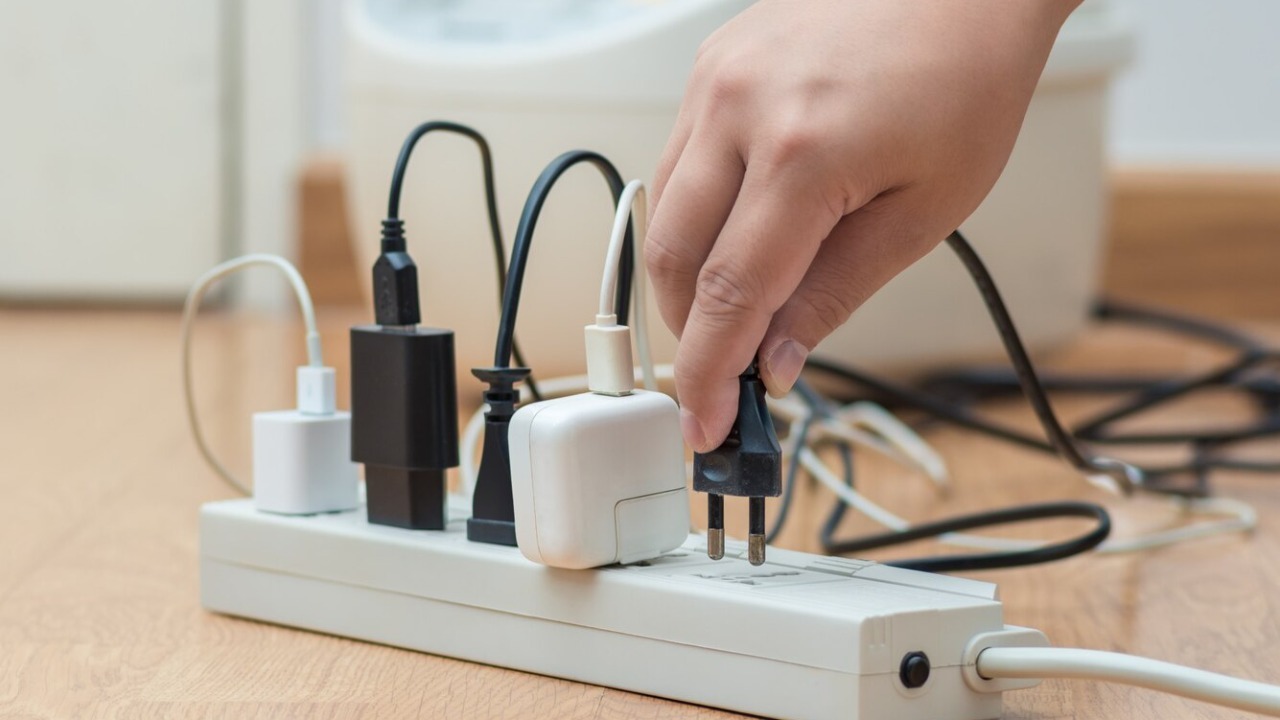
Lowering your energy usage can lead to substantial savings. Small changes like switching to LED bulbs, unplugging electronics when not in use, and using programmable thermostats can reduce your utility bills. Additionally, consider energy audits to identify areas where you can improve efficiency. According to published sources, making your home more energy-efficient can cut costs significantly.
Opt for Public Transportation or Carpool

Transportation costs can be a significant part of your budget. By utilizing public transport or carpooling, you can save on gas, parking, and maintenance. Many cities offer discounted transit passes or incentives for carpooling. Consider biking or walking for shorter distances to save even more. These options not only reduce expenses but also contribute to a greener environment.
Shop Around for Better Insurance Rates

Insurance is essential, but that doesn’t mean you have to overpay. Regularly review your policies and compare rates from different providers. Use online tools and resources like NerdWallet to find competitive rates for auto, home, and health insurance. You might find that switching providers or bundling policies can offer substantial savings without compromising on coverage.
Limit Dining Out and Focus on Meal Prep

Dining out frequently can quickly deplete your budget. By preparing meals at home, you can control ingredients, portions, and costs. Invest in meal prep containers and plan your week’s meals in advance. This will not only help you save money but also eat healthier. Cooking in batches and freezing meals can make this habit more convenient, ensuring you have delicious home-cooked options ready when time is tight.
DIY Home Maintenance and Repairs

Hiring professionals for every little repair can be costly. Instead, consider doing minor home maintenance and repairs yourself. Online tutorials and videos can guide you through simple tasks like fixing leaky faucets or painting walls. Investing in a basic toolset and learning some DIY skills can save you a lot of money in the long run. Plus, it can be a rewarding experience to care for your home with your own hands.
Take Advantage of Cashback and Discount Apps

Cashback and discount apps are an easy way to earn money on purchases you’re already making. Apps like Rakuten, Honey, and Dosh provide cashback or discounts when shopping online or in-store. By using these tools, you can make your budget stretch further without changing your spending habits. Some credit cards also offer cashback rewards, so be sure to use them strategically to maximize your savings.
Refinance Loans for Better Interest Rates

Refinancing loans can significantly reduce your monthly payments. Whether it’s your student loans, car loans, or personal loans, refinancing at a lower interest rate can lead to substantial savings. Be sure to shop around for the best rates and terms. Resources like Gale’s database can provide useful insights and comparisons. This approach might also help you pay off debt faster, improving your overall financial health.

Cole Whitaker focuses on the fundamentals of money management, helping readers make smarter decisions around income, spending, saving, and long-term financial stability. His writing emphasizes clarity, discipline, and practical systems that work in real life. At The Daily Overview, Cole breaks down personal finance topics into straightforward guidance readers can apply immediately.
