
Leasing unused land can be an effective way to generate passive income without significant ongoing effort. By understanding the legal, financial, and market considerations, landowners can turn idle property into a reliable revenue stream. This article provides a comprehensive guide to leasing land, helping you maximize its potential.
Understanding the Value of Your Land
Assessing Land Features and Potential Uses
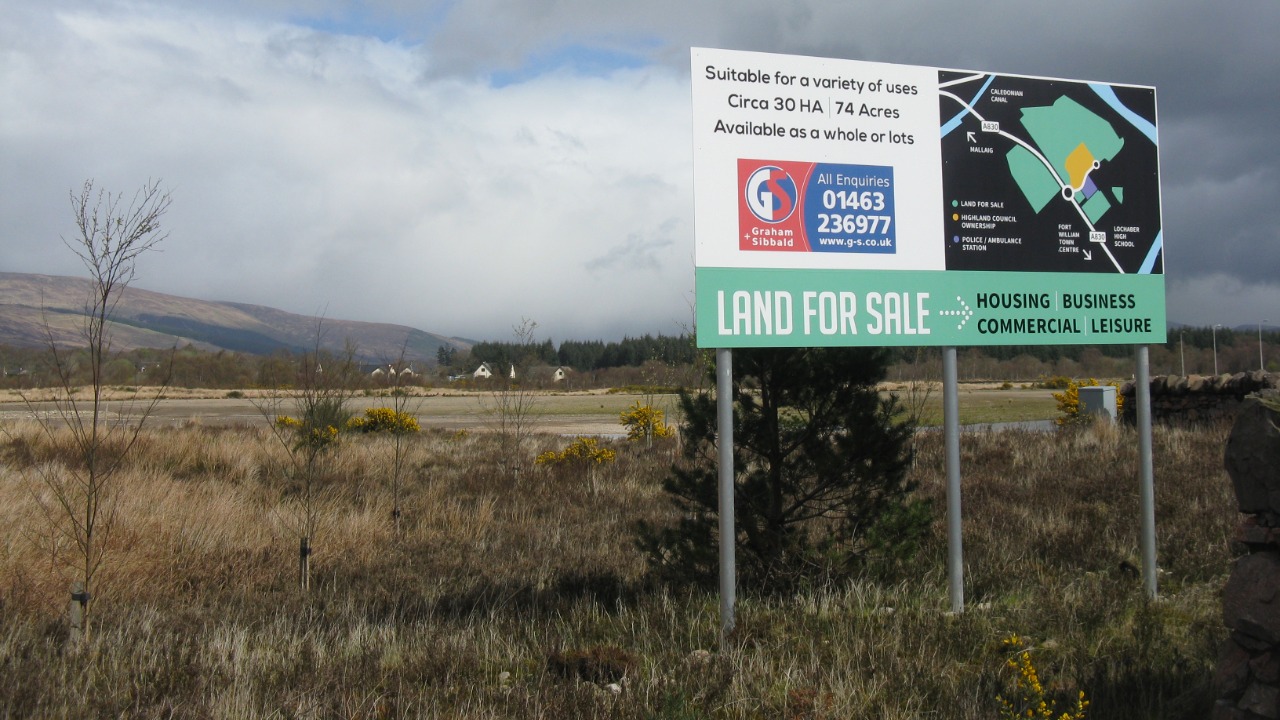
To maximize the potential of your unused land, it’s crucial to evaluate its location, size, and unique features. Consider factors like proximity to urban centers, road access, and natural resources such as water bodies or mineral deposits. These characteristics can significantly influence the types of leases you can consider, ranging from agriculture and recreation to commercial developments.
Once you’ve assessed the physical attributes of your land, identify potential uses that align with its characteristics. Agricultural leases might be ideal if you have fertile soil, while a scenic location near a city could be perfect for recreational purposes. Understanding these uses can help you target the right lessees and set competitive lease rates.
Market Research and Demand Analysis
Researching the market is a critical step in understanding the demand for land leases in your area. Begin by studying local and regional trends, and analyze comparable lease agreements to gauge standard market rates. This data can help you set realistic lease prices and identify which type of lease might be most profitable.
Additionally, conducting a demand analysis helps in understanding what potential lessees are looking for. This can involve speaking with local real estate agents, attending community meetings, or exploring online forums. By aligning with market demand, you can increase the likelihood of successfully leasing your land.
Legal Considerations and Lease Agreements
Understanding Zoning Laws and Regulations
Before leasing your land, familiarize yourself with local zoning laws and regulations that may affect its use. Zoning laws dictate what activities can occur on your land and can vary significantly between regions. Violating these laws could lead to legal complications, so it’s essential to ensure your intended lease complies with them.
Consult with legal professionals or local authorities to ensure full compliance with all applicable regulations. They can provide insights on any restrictions or required permits. For further reading on zoning laws, legal publications such as this resource can offer more detailed information.
Drafting a Lease Agreement
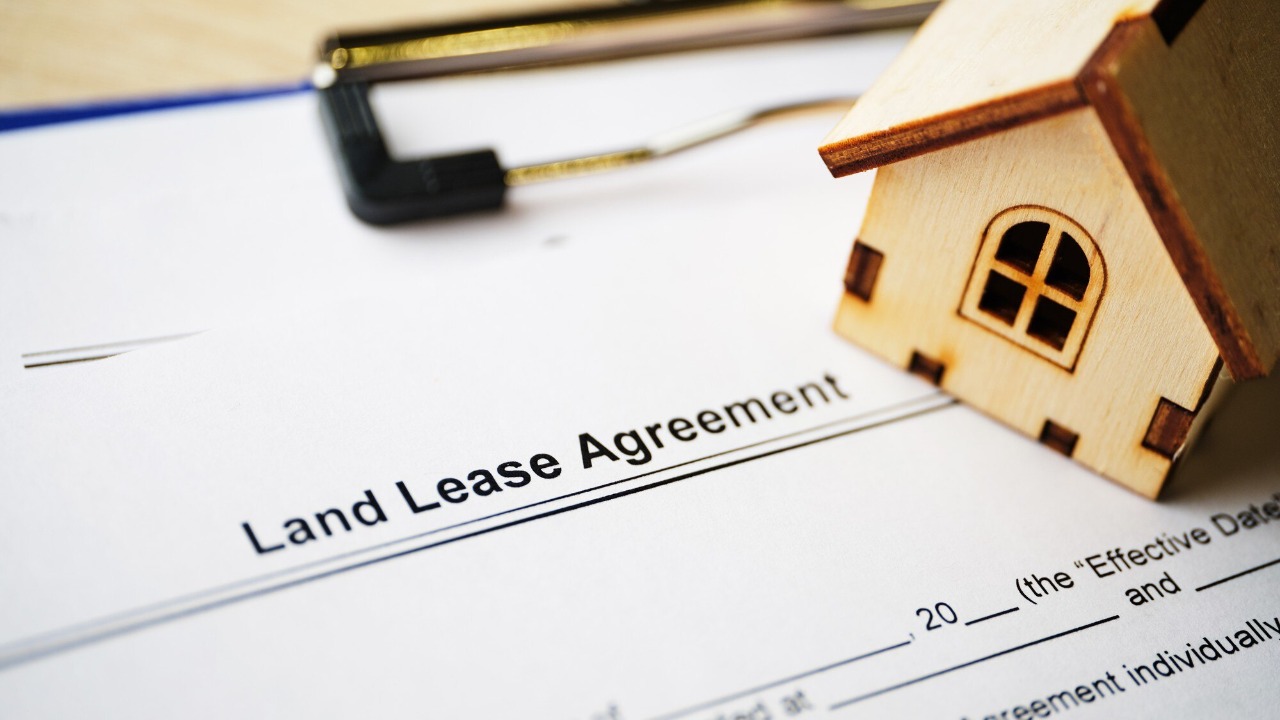
Creating a well-drafted lease agreement is crucial for protecting the interests of both you and your lessee. The agreement should clearly outline the lease’s duration, payment terms, and the responsibilities of each party. Including specifics such as maintenance duties, permitted land uses, and termination conditions can prevent future disputes.
Consider engaging a legal professional to help with drafting the lease agreement. They can ensure that all necessary clauses are included and that the document complies with local laws. This clarity is essential to establishing a successful and harmonious leasing relationship.
Marketing Your Land for Lease

Creating an Attractive Listing
The first step in finding a lessee is creating a compelling and informative listing for your land. Highlight its unique features, such as scenic views, proximity to urban areas, or fertile soil. Use high-quality photos and detailed descriptions to effectively convey the land’s potential uses and benefits.
Ensure that your listing is accurate and enticing, as this will attract serious inquiries. Mention any existing infrastructure, such as roads or utilities, which can be a significant selling point. An attractive listing can be the key to capturing the interest of potential lessees.
Leveraging Online Platforms and Networks
To reach a broad audience, leverage online platforms and local networks for advertising your land. Consider listing on real estate websites, social media platforms, and community forums. These channels can connect you with a diverse range of potential lessees quickly and efficiently.
Utilize networks specific to your land’s potential uses. For instance, if you are considering an agricultural lease, reach out to farming communities or agricultural forums. By using targeted platforms, you can increase your chances of finding the right lessee.
Financial Benefits and Management

Calculating Potential Income and Expenses
When leasing your land, it’s important to calculate potential income and expenses to determine the financial viability of the lease. Start by researching local market rates for similar properties to estimate your potential income. This will help you set competitive lease prices that align with market expectations.
Additionally, consider expenses such as maintenance, property taxes, and insurance. These costs can impact your overall profitability, so they should be carefully factored into your financial planning. Understanding these financial elements can help you manage your land lease more effectively and maximize your passive income.
Efficient Management and Maintenance Tips
Once you have a lease agreement in place, efficient management and maintenance become crucial to ensure the ongoing success of the lease. Develop a management plan that addresses regular maintenance tasks and sets clear communication channels with your tenant. This can help prevent issues and maintain a positive leasing relationship.
If managing the lease becomes overwhelming, consider hiring a property manager. They can handle day-to-day operations, tenant relations, and maintenance, allowing you to enjoy the passive income without the stress. For more management tips, check out these insights on streamlining passive income ventures.
Exploring Alternative Income Streams
Diversifying Land Use for Increased Income
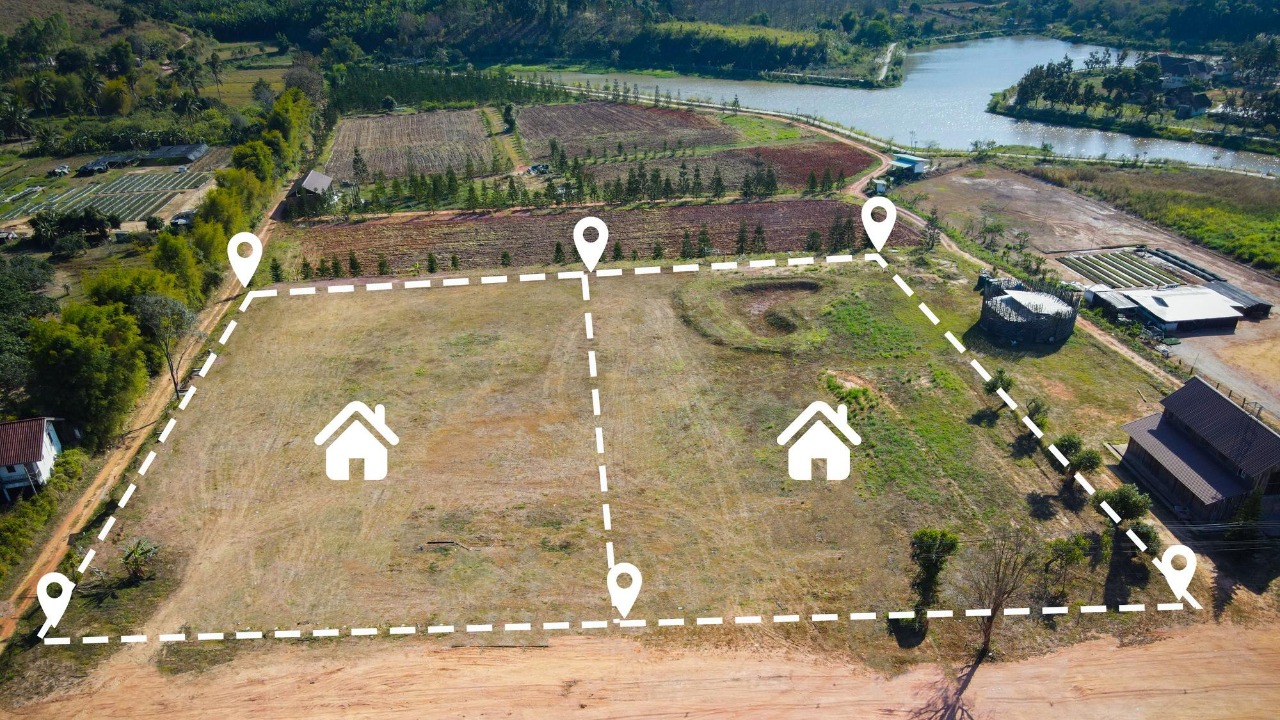
To further increase your land’s income potential, consider diversifying its use by entering into multiple lease agreements for different sections. For example, one part of your land could be leased for agriculture, while another could host recreational activities. This approach can maximize income and make your property more attractive to a variety of lessees.
Another option is to explore alternative income streams such as renewable energy leases or event hosting. These ventures can provide lucrative opportunities and are often compatible with existing leases. By thinking creatively, you can unlock additional revenue sources from your land.
Long-term Growth and Investment Opportunities
Leasing land not only generates immediate income but can also enhance its long-term value. Consider reinvesting lease income into land improvements or acquiring additional properties. These investments can increase your land’s appeal and rental value over time, providing a solid foundation for future growth.
Additionally, evaluate how leasing can be part of a broader investment strategy. It can offer stability and diversification to your portfolio, mitigating risks associated with other investments. For more information on investment strategies related to land, consult resources like this publication.

Elias Broderick specializes in residential and commercial real estate, with a focus on market cycles, property fundamentals, and investment strategy. His writing translates complex housing and development trends into clear insights for both new and experienced investors. At The Daily Overview, Elias explores how real estate fits into long-term wealth planning.

