
Economic uncertainty can create a challenging landscape for safeguarding wealth, making it crucial to develop a strategic approach. In times of instability, investors and savers alike must consider various methods to protect their assets from market volatility and potential downturns. Here, I delve into practical strategies to keep wealth safe during economic fluctuations.
Understanding the Economic Landscape

Recognizing Signs of Economic Uncertainty
Economic instability often begins with identifiable markers such as fluctuations in GDP, rising unemployment rates, and increasing inflation. Understanding these indicators is essential for anyone looking to protect their wealth. For instance, a declining GDP often signals a recession, prompting investors to reassess their portfolios. Additionally, geopolitical events like trade wars or policy changes can significantly impact the economy, causing market fluctuations that may affect asset values.
Being proactive by keeping an eye on these indicators helps in making informed decisions. Websites and resources like MarketWatch provide timely updates and analyses that can guide your decision-making process, offering insights into how these factors may impact the broader economic landscape.
Historical Context and Lessons Learned
Looking back at past economic downturns can provide valuable insights into current situations. The 2008 financial crisis, for example, highlighted the importance of diversification and avoiding over-leveraging. By examining such events, we can identify patterns and strategies that have historically mitigated risk.
One lesson learned from past crises is the importance of maintaining a diversified portfolio. During the dot-com bubble, investors heavily concentrated in tech stocks experienced significant losses. This historical context underscores the importance of balancing one’s investments across different sectors and asset classes, as discussed in literature like this Google Book.
Diversifying Your Investment Portfolio

Asset Allocation Strategies
One key strategy for protecting wealth during economic uncertainty is diversifying your investment portfolio. Asset allocation involves balancing stocks, bonds, and alternative investments to mitigate risks. By spreading investments across various asset classes, you can reduce exposure to any single market downturn. For instance, while stocks may be volatile, bonds often provide a more stable return, acting as a buffer during turbulent times.
International investments also play a crucial role in diversification. By tapping into global markets, you can benefit from growth in other economies, potentially offsetting domestic market downturns. To explore effective strategies, resources like U.S. News & World Report offer expert insights into recession-proof investments.
Alternative Investments
Alternative investments such as commodities, real estate, and precious metals offer additional avenues for diversification. Commodities like gold often retain or increase in value during economic uncertainty, providing a hedge against inflation. Real estate investments can also offer stable returns and potential appreciation over time.
However, these investments come with their own set of risks and rewards. Hedge funds and private equity, for instance, may offer high returns but often require a higher risk tolerance and longer investment horizon. Evaluating these options carefully and understanding their role in your overall investment strategy is crucial for maintaining wealth stability.
Maintaining Liquidity and Reducing Debt

Building an Emergency Fund
Having a well-established emergency fund is fundamental to financial resilience. Liquid assets, such as cash or easily accessible savings, are vital for covering short-term needs and unexpected expenses without relying on high-interest debt. A good rule of thumb is to aim for three to six months’ worth of living expenses in a readily accessible account.
Building this fund gradually can make the process less daunting. Automated savings plans or apps that round up purchases to the nearest dollar and deposit the difference into savings can help grow this fund over time. This financial cushion provides peace of mind and flexibility in navigating economic uncertainty.
Debt Management Techniques
Reducing debt is another critical component of financial stability during uncertain times. High-interest debts, such as credit card balances, can quickly become unmanageable, eating into your financial resources. Prioritizing their repayment can significantly alleviate financial pressure.
Refinancing options are worth considering to lower monthly payments and interest rates, freeing up more cash flow for savings or investments. By systematically addressing debt, you not only improve your financial health but also enhance your ability to weather economic storms.
Implementing Defensive Financial Practices
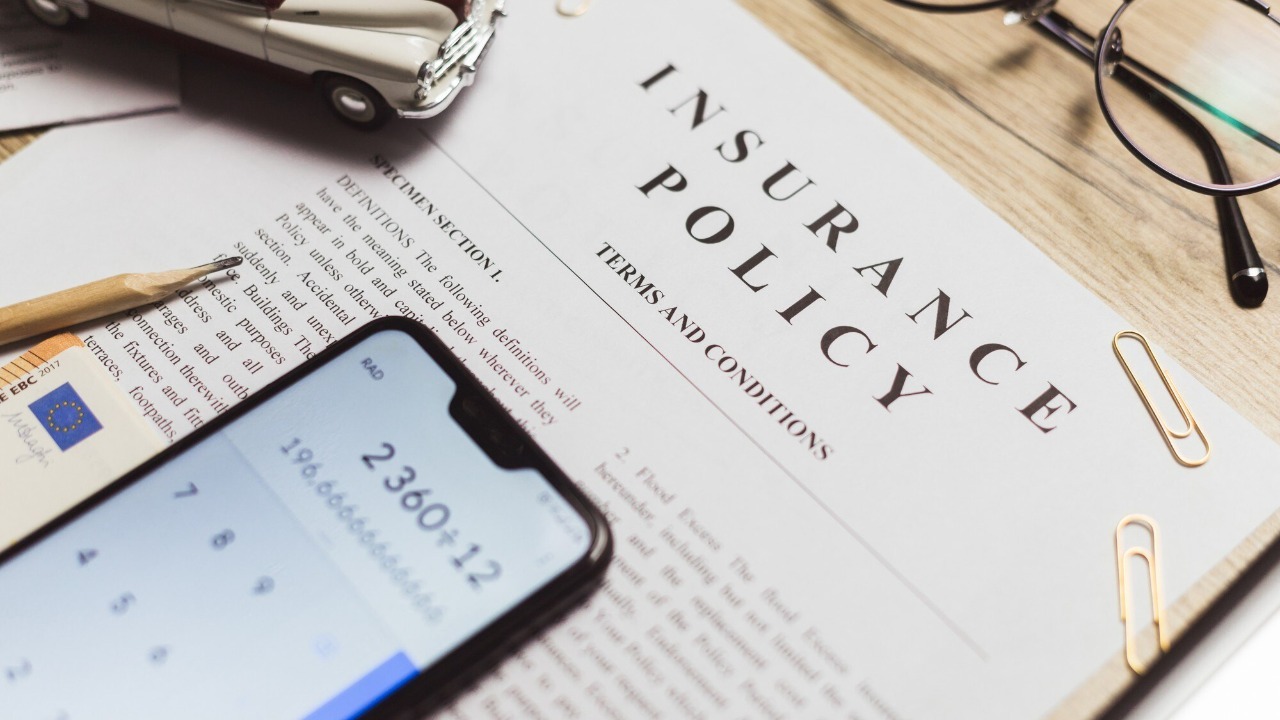
Evaluating Insurance Coverage
Insurance is an often-overlooked aspect of financial planning that can protect against unforeseen events. Ensuring adequate coverage for health, property, and life insurance is essential for safeguarding assets. Reviewing policies regularly to ensure they match current needs can prevent unexpected financial burdens.
Understanding the role of insurance in your financial plan helps to maintain stability. Comprehensive coverage can mitigate the risk of significant financial loss, providing a safety net that allows you to focus on long-term wealth preservation.
Budgeting and Cost-Cutting Measures
Developing a realistic budget is fundamental for effective financial management. Tracking income and expenses diligently helps identify areas where costs can be reduced or eliminated. Reviewing expenditures regularly allows for adjustments that can improve financial health.
Non-essential expenses, like dining out or subscription services, can often be trimmed without significantly impacting quality of life. By implementing these cost-cutting measures, you can bolster your financial position, freeing up resources for savings or investment opportunities.
Seeking Professional Financial Advice

Choosing the Right Financial Advisor
Finding a trustworthy financial advisor can be a game-changer in navigating economic uncertainty. Look for advisors with fiduciary responsibility, ensuring they act in your best interest. Experience and a solid track record are also crucial criteria when selecting an advisor.
Open communication and transparency are vital in an advisor-client relationship. Working with a professional who understands your financial goals and risk tolerance can provide valuable guidance, helping you make informed decisions that align with your objectives.
Staying Informed and Educated
Staying informed about market trends and economic developments is crucial for making sound financial decisions. Ongoing financial education empowers you to adapt strategies as needed and seize opportunities that arise. Utilizing reputable financial news sources and resources can enhance your understanding and confidence in managing wealth.
By keeping up with current events and economic analyses, you remain proactive in protecting your assets. Engaging with resources like AOL Finance can provide practical advice on navigating financial challenges, ensuring you are well-equipped to maintain your wealth during economic uncertainty.

Cole Whitaker focuses on the fundamentals of money management, helping readers make smarter decisions around income, spending, saving, and long-term financial stability. His writing emphasizes clarity, discipline, and practical systems that work in real life. At The Daily Overview, Cole breaks down personal finance topics into straightforward guidance readers can apply immediately.

