
When it comes to purchasing gold through auctions, the ability to accurately interpret auction photos is crucial. These images often hold key details that can help buyers determine the quality, authenticity, and potential value of the gold items on offer. Mastering the skill of reading auction photos effectively enables you to make informed decisions during the bidding process, increasing your chances of acquiring valuable pieces.
Understanding Auction Photos

The importance of high-quality images cannot be overstated when it comes to evaluating gold items in auctions. Clear, high-resolution photos allow potential buyers to assess the quality and authenticity of the gold pieces. A well-taken photograph can reveal the true color and shine of the gold, providing insights into its purity and condition. For instance, images that capture the intricacy of a gold necklace’s links or the shine of a gold coin can indicate the item’s quality.
There are key elements you should focus on when examining auction photos. Look for hallmarks, engravings, and any visible signs of wear or damage. Hallmarks can confirm the gold’s authenticity and provide information on its purity. Engravings might indicate the item’s origin or the era it was made in, adding to its historical value. Differences between online and in-person auctions can also affect how you interpret photos. Online auctions might offer multiple angles and zoom options, while in-person events might provide limited images. Understanding these nuances is essential for making accurate assessments.
Assessing Gold Jewelry
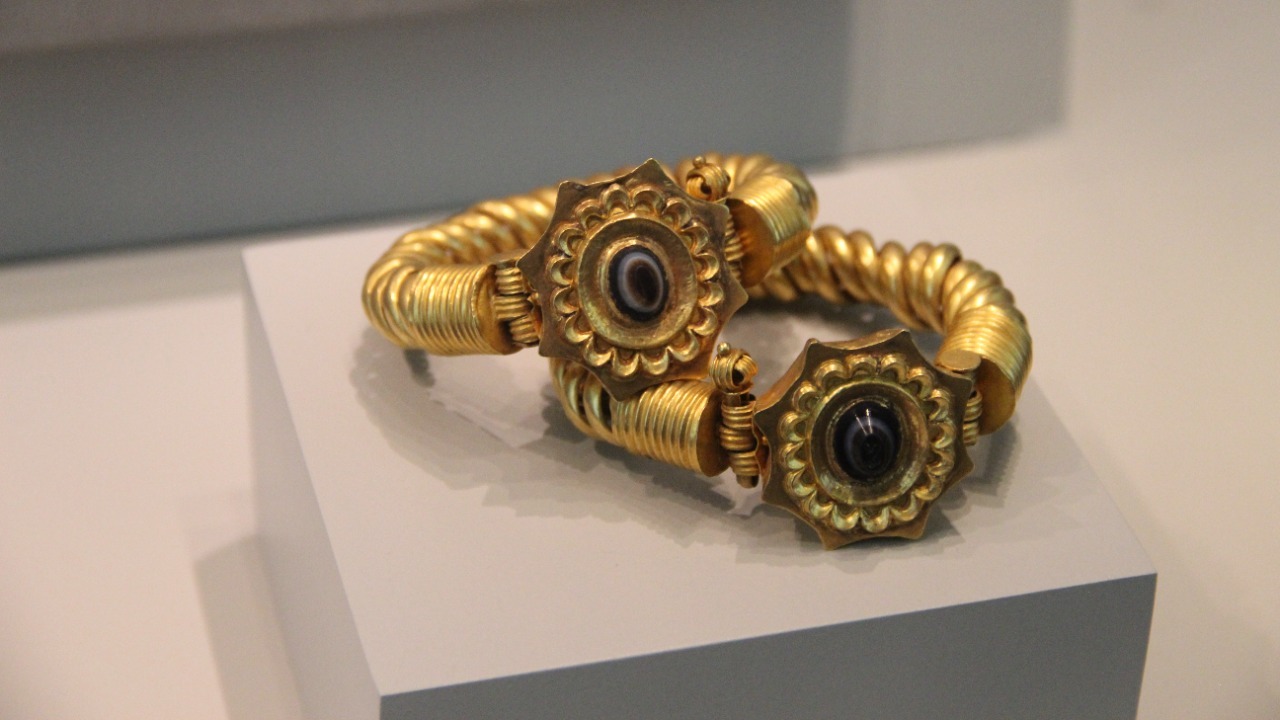
When evaluating gold jewelry, identifying hallmarks and stamps is crucial to verify authenticity. These marks, often found on the inside of rings or the clasps of necklaces, indicate the gold’s karat weight and the maker’s mark. For example, a “750” stamp signifies 18k gold, which is 75% pure. Familiarizing yourself with these markings can help distinguish genuine pieces from imitations.
Evaluating the craftsmanship and design of a piece is equally important. High-quality workmanship suggests durability and increases the item’s overall value. Look for intricate designs or unique patterns that set the piece apart, as these can add to its desirability. Additionally, recognizing signs of wear and repair is essential. Scratches, dents, or evidence of soldering can affect a piece’s value. These signs might indicate previous repairs or modifications, which could detract from the jewelry’s original charm.
Analyzing Rare Gold Coins and Tokens
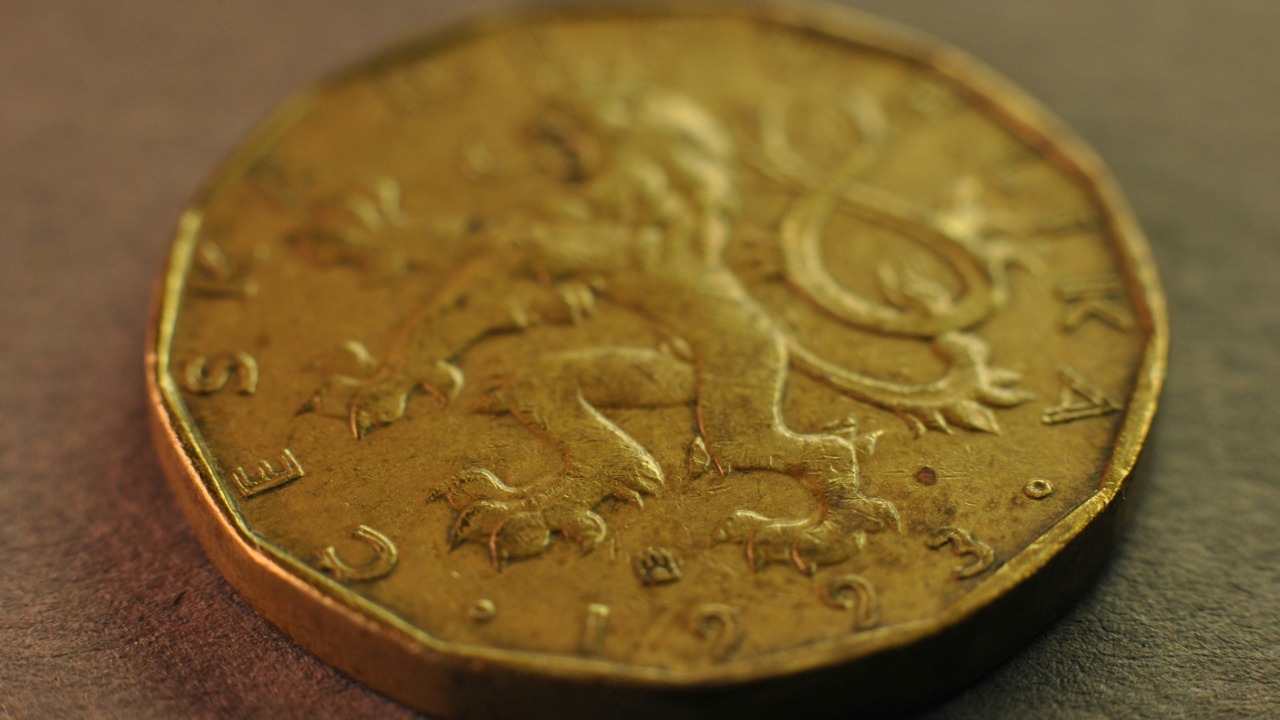
Rare gold coins and tokens can be treasures to collectors, and analyzing their photos requires a keen eye. Investigating mint marks and dates is a fundamental step in determining a coin’s rarity and historical significance. Mint marks, often small letters indicating the mint that produced the coin, can significantly influence the coin’s value. Additionally, the date of minting can provide insights into the coin’s history and scarcity.
Grading and condition assessment help estimate a coin’s value. Coins are typically graded on a scale, with higher grades indicating better condition and higher value. Understanding the nuances of coin grading can assist in making informed bidding decisions. Furthermore, a coin’s provenance and historical context can greatly influence its desirability and price. A coin’s past ownership or its role in historical events can add layers of intrigue and value, as seen in Rick Springfield’s collection going to auction.
Spotting Potential Red Flags

While auction photos can provide valuable information, they can also be misleading if not carefully scrutinized. One potential red flag is photo manipulation. It’s important to identify altered or misleading images that might distort the item’s true condition. Look for inconsistencies in lighting or shadows, which can suggest editing.
Discrepancies between photos and descriptions should also raise concerns. Always compare images with the provided item descriptions to spot inconsistencies. If the description highlights features not visible in the photos, it may indicate an attempt to conceal flaws. Additionally, recognizing atypical features, such as unusual markings or non-standard designs, can indicate counterfeit or altered items. For instance, a coin with an unfamiliar mint mark might be a reproduction rather than an original.
Making Informed Bidding Decisions

Setting a budget based on photo analysis is a crucial step in the bidding process. By evaluating an item’s potential worth through detailed photo examination, you can determine a reasonable bidding range. This approach can prevent overbidding and ensure you stay within your budget.
Consulting with experts such as jewelry appraisers or numismatists can confirm your findings from photos. Their expertise can provide additional insights and validate your assessments. Engaging with professionals is especially helpful when dealing with high-value items or pieces with complex histories.
Leveraging additional auction resources can further enhance your understanding. Utilizing catalogs, auction previews, and previous sales results can supplement your photo analysis. For example, tracking the auction process can offer insights into an item’s selling potential. These resources provide context and help establish a comprehensive view of the item’s market value.

Elias Broderick specializes in residential and commercial real estate, with a focus on market cycles, property fundamentals, and investment strategy. His writing translates complex housing and development trends into clear insights for both new and experienced investors. At The Daily Overview, Elias explores how real estate fits into long-term wealth planning.

