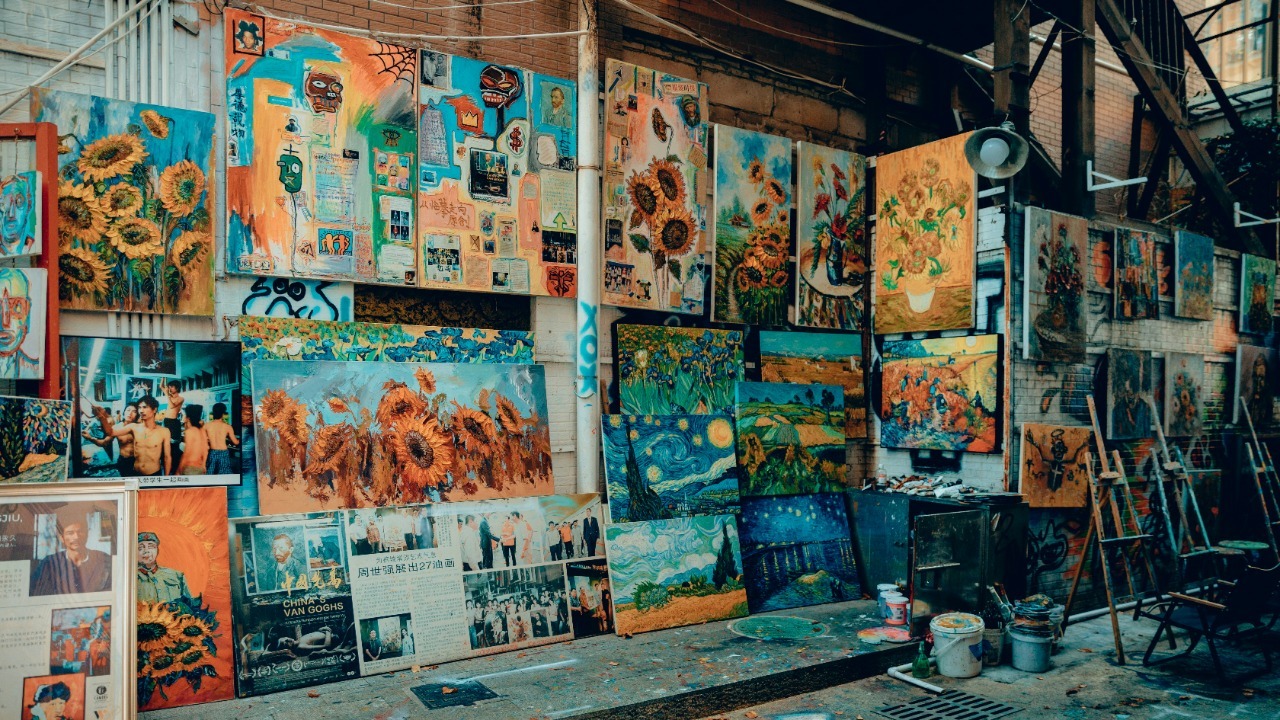
In a world where art is often seen as a luxury, discovering underpriced art can feel like stumbling upon hidden treasure. Many art aficionados and collectors are on the hunt for pieces that are not only aesthetically pleasing but also financially accessible. Exploring various avenues where such underappreciated gems can be found opens a door to creativity and opportunity.
Local Art Fairs and Exhibitions
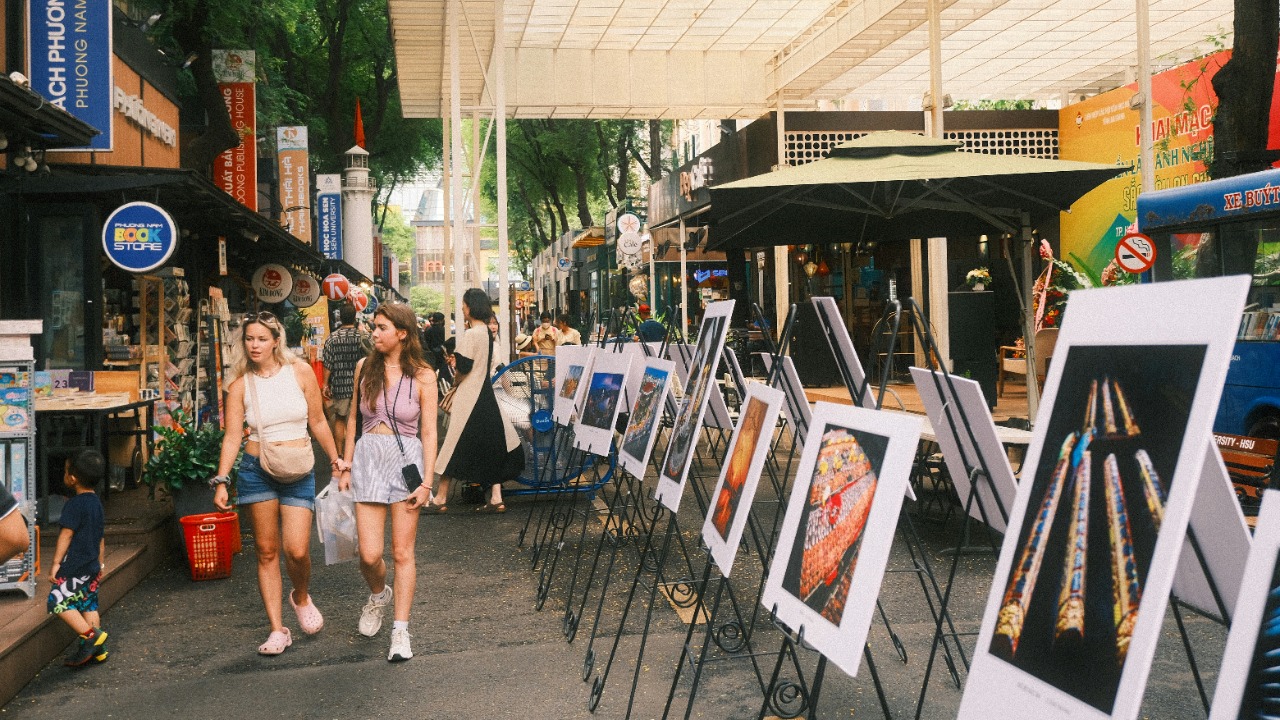
Attending local art fairs is an excellent way to discover emerging artists who are just beginning their careers. These events are vibrant with creativity and often feature artists offering their work at prices that might be a fraction of what they could become in the future. For instance, the Affordable Art Fair in New York is known for showcasing contemporary pieces from up-and-coming artists. Such fairs not only provide a platform for artists to gain exposure but also allow collectors to purchase unique works before the artists achieve mainstream recognition.
Community art events are another hidden gem for art lovers. These gatherings often take place in non-commercial settings such as community centers or outdoor festivals. Without the pressure of gallery sales, artists are more inclined to offer their works at reasonable prices. By attending these events, collectors can find one-of-a-kind pieces that reflect the local culture and artistic trends, all while supporting their community’s artistic ecosystem.
Online Art Marketplaces
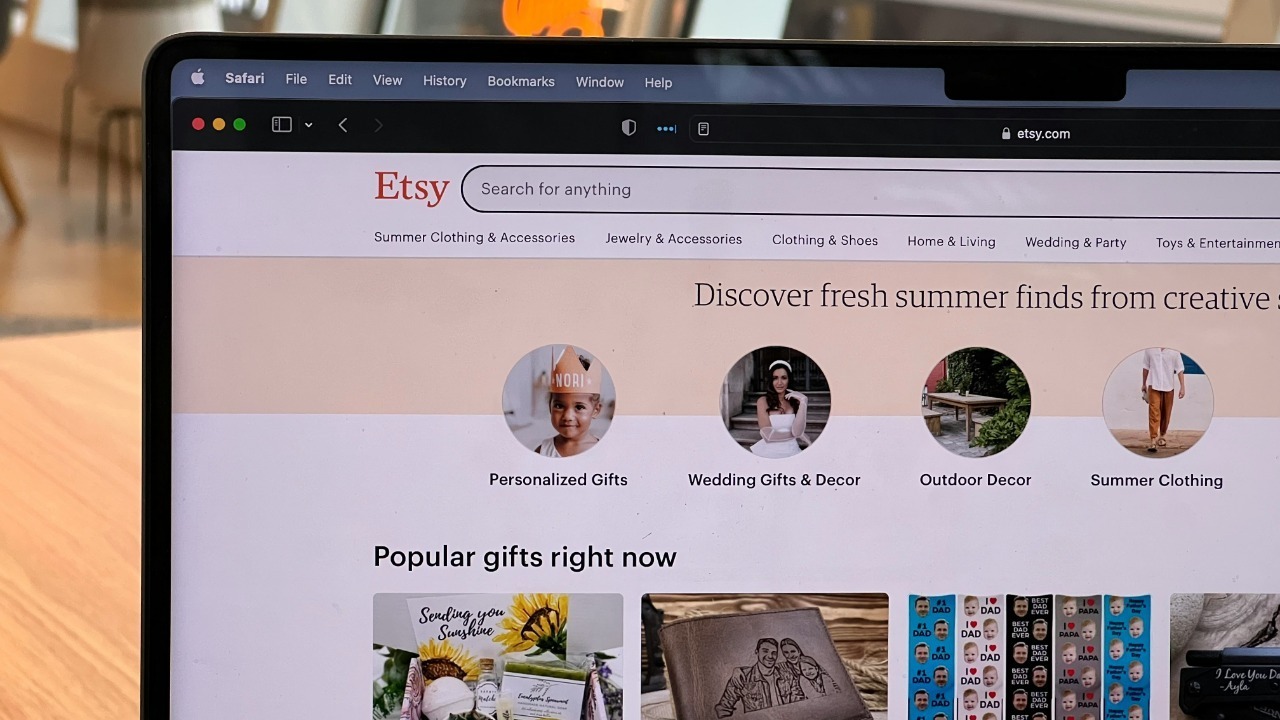
In the digital age, online art marketplaces have revolutionized the way art is bought and sold. Websites like Etsy and Saatchi Art provide platforms for lesser-known artists to showcase their creations to a global audience. These platforms often feature a wide array of artwork, from paintings and prints to sculptures, making it easier for collectors to find pieces that suit their tastes and budgets. By browsing these digital galleries, art enthusiasts can discover hidden gems without leaving the comfort of their homes.
Social media platforms like Instagram have also emerged as powerful tools for artists to connect directly with buyers. By following artists on social media, collectors can engage with their creative processes and purchase art without the added costs of gallery markups. Many artists use these platforms to announce sales or special promotions, providing an opportunity to acquire art at a more accessible price point. Additionally, direct communication with the artist can enhance the buying experience, adding a personal touch to each purchase.
Thrift Stores and Estate Sales
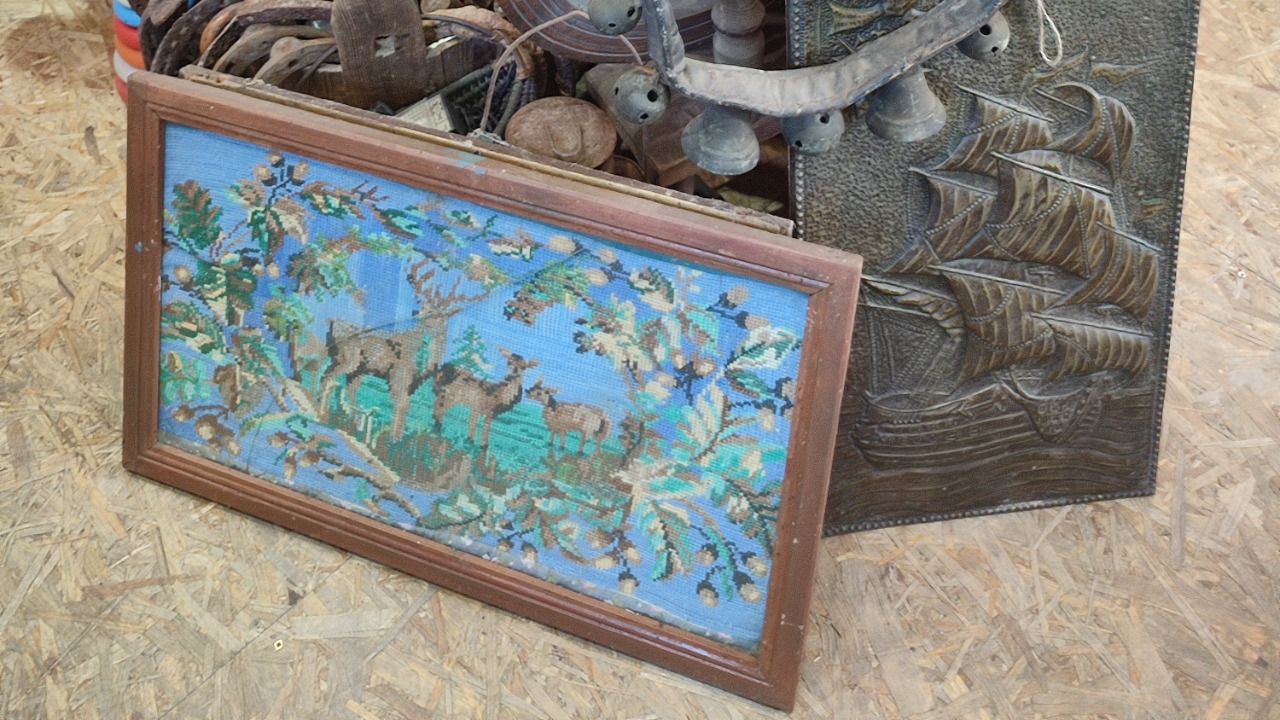
Thrift stores are often overlooked as potential sources for acquiring art, yet they can be treasure troves for those with a keen eye. Many art pieces end up in these stores, unnoticed by buyers who might not recognize their value. Visiting thrift stores regularly increases the chance of finding an overlooked masterpiece at a bargain price. Similarly, estate sales offer a unique opportunity for art collectors to acquire underpriced pieces. These sales often include art collections from private homes, where the art’s sentimental value may outweigh its market value, leading to lower prices.
Vintage shops also offer a fascinating glimpse into the past, often carrying art pieces from different eras. The turnover in these shops is typically high, meaning that new items frequently replace old stock. This constant refreshment of inventory can lead to the discovery of unique art that might be undervalued due to its vintage appeal. Collecting art from thrift and vintage shops not only supports sustainable shopping practices but also adds a touch of history to any art collection.
University and College Galleries

Universities and colleges are fertile grounds for discovering emerging talent. Student art shows, often held at the end of the academic year, provide a platform for art students to showcase and sell their work. These events are a great way to support young artists while acquiring artwork at lower prices. Attending these exhibitions can be a rewarding experience as buyers engage with the artists and learn about the inspirations behind their creations.
Many art departments organize events and sales where students and faculty members present their work to the public. These events offer a rare chance to purchase art directly from artists who are still developing their styles and techniques. By investing in student art, collectors not only support emerging talent but also have the opportunity to own early works from artists who may become influential figures in the art world.
Auctions and Online Bidding Sites

Local auctions can be an excellent place to find art pieces that haven’t attracted high bids due to limited publicity. These auctions often feature a range of artworks, from traditional paintings to modern installations, providing a diverse selection for potential buyers. Participating in local auctions means less competition, which can lead to acquiring art at favorable prices.
Online auction sites like eBay and Catawiki offer a convenient alternative for those who prefer the thrill of bidding from home. These platforms host a variety of auctions where buyers can find underpriced art pieces. By keeping an eye on lesser-known auctions, collectors can seize opportunities to acquire art at prices far below their market value. The convenience of online auctions, combined with the potential for significant savings, makes them an appealing option for those seeking to expand their collections without breaking the bank.

Elias Broderick specializes in residential and commercial real estate, with a focus on market cycles, property fundamentals, and investment strategy. His writing translates complex housing and development trends into clear insights for both new and experienced investors. At The Daily Overview, Elias explores how real estate fits into long-term wealth planning.

