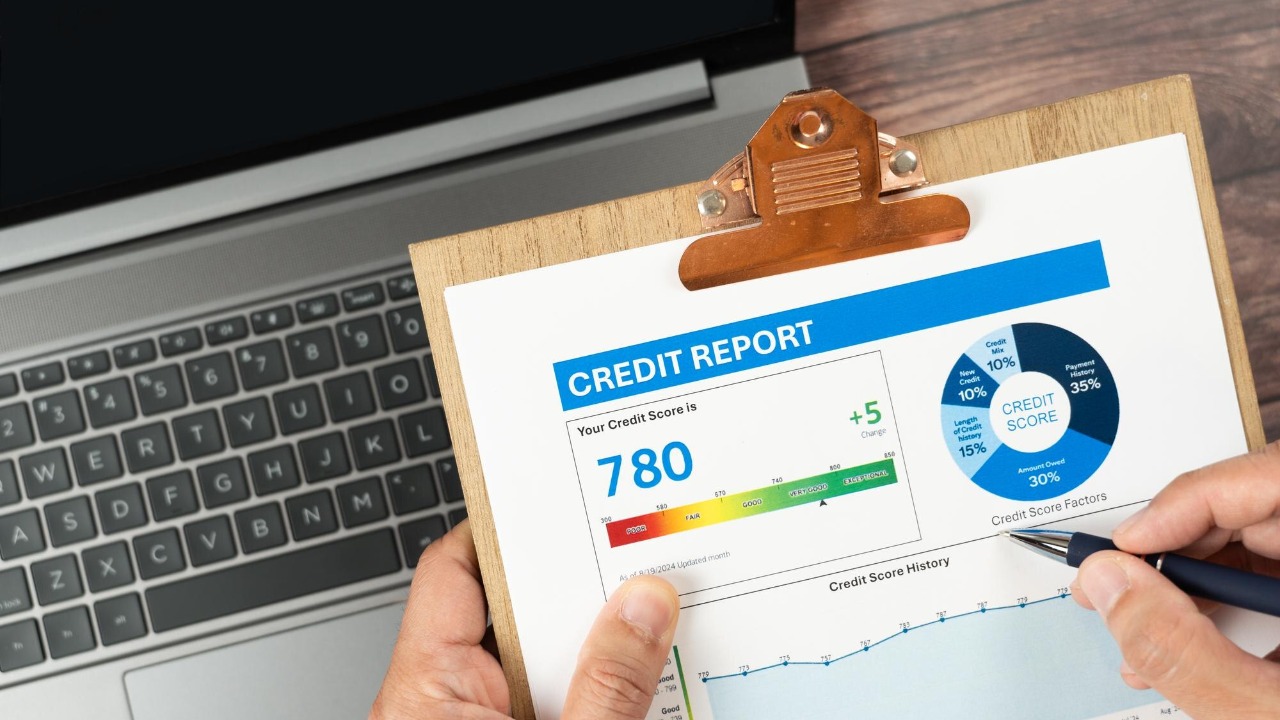
Understanding your credit report is crucial for maintaining financial health and achieving long-term goals. With credit reports influencing everything from loan approvals to interest rates, knowing how to read and interpret them can empower you to make informed financial decisions. This guide will help you navigate the intricacies of your credit report and highlight its significance.
Understanding the Basics of a Credit Report

What is a Credit Report?
A credit report is a comprehensive record of your credit history compiled by credit bureaus. It serves as a financial profile that lenders, landlords, and even employers use to assess your creditworthiness and reliability. Key components of a credit report include personal information, a detailed account of credit accounts, inquiries, and public records. Each section provides insights into your financial behavior and helps predict future financial responsibility.
Where to Obtain Your Credit Report
The three major credit bureaus—Equifax, Experian, and TransUnion—are responsible for generating credit reports. By law, you are entitled to a free copy of your credit report from each bureau annually. You can access these reports through AnnualCreditReport.com, a centralized service that facilitates free credit report requests. Regularly obtaining your credit report ensures you are aware of your financial standing and can address any discrepancies promptly.
Decoding the Sections of Your Credit Report
Personal Information
Your credit report begins with personal information, including your name, address, social security number, and employment history. This data is crucial for accurate identification and ensuring the information in your report pertains to you. However, errors can occur, such as incorrect addresses or outdated employment details. It’s essential to review this section carefully and correct any inaccuracies by contacting the credit bureau, as even minor errors can affect your credit evaluation.
Credit Accounts
The credit accounts section details your history with various types of credit, such as installment loans, revolving credit, and open accounts. Installment loans include mortgages and car loans, while revolving credit encompasses credit cards. The information recorded here, such as payment history and account balances, plays a significant role in determining your credit score. A history of on-time payments and low balances is favorable, reflecting a responsible borrowing pattern.
Inquiries and Public Records
Inquiries are records of when your credit report has been accessed. These are divided into hard inquiries, which occur when a lender checks your credit for a loan or credit card application, and soft inquiries, which occur when you check your own credit or when a lender pre-approves you for an offer. While soft inquiries do not affect your credit score, hard inquiries can, so it’s wise to limit them. Additionally, public records such as bankruptcies, foreclosures, and tax liens are included in this section and can significantly impact your credit score.
The Importance of Monitoring Your Credit Report

Detecting Fraud and Identity Theft
Regularly monitoring your credit report is vital for identifying signs of fraud and identity theft. Unfamiliar accounts, incorrect personal information, or unexpected changes in your credit score may indicate fraudulent activity. If you suspect identity theft, it is crucial to take immediate action by reporting the issue to the credit bureaus, placing a fraud alert on your report, and contacting law enforcement if necessary.
Improving and Maintaining Your Credit Score
Your credit score is a powerful tool that influences your ability to secure loans and favorable interest rates. Timely payments and maintaining a low credit utilization ratio are fundamental practices for improving and maintaining a good credit score. Consider setting up automatic payments and keeping your credit card balances well below your limits. Long-term strategies, such as diversifying your credit mix and keeping older credit accounts open, can also contribute to a higher credit score over time.
The Impact of Your Credit Report on Financial Decisions

Loan and Credit Card Approvals
Lenders rely on credit reports to evaluate your creditworthiness. A strong credit report can result in loan approvals with favorable terms and lower interest rates, while a poor report can lead to rejections or higher costs. Maintaining a positive credit profile by managing debts responsibly and addressing any errors promptly is essential for optimizing your loan opportunities.
Employment and Housing Opportunities
Beyond lending, credit reports are increasingly used in employment and housing applications. Employers may review credit reports to gauge a candidate’s financial responsibility and decision-making abilities, particularly for positions involving financial handling. Similarly, landlords use credit reports to evaluate the likelihood of consistent rent payments. A clean credit report can enhance your chances of securing desirable job positions and rental agreements, underscoring the importance of maintaining a healthy credit profile.
New Developments and Future Trends in Credit Reporting

Changes in Reporting Laws and Regulations
Credit reporting is subject to evolving legislation and regulations aimed at protecting consumers. Recent updates have focused on increasing transparency and accuracy, with significant changes to medical debt reporting set to take effect in 2025. These changes will likely reduce the impact of medical debts on credit scores, offering relief to many consumers. Staying informed about these developments can help you adapt and make the most of your credit opportunities.
Technological Advancements and Their Influence
As technology advances, so does the landscape of credit monitoring and reporting. Emerging tools and apps, such as Credit Karma and Experian Boost, offer innovative ways to track and improve your credit score. These technologies provide real-time updates and personalized insights, empowering consumers to take proactive steps in managing their credit. The future of credit reports lies in integrating these advancements to enhance accessibility and utility, making it easier than ever to maintain a robust financial profile.

Cole Whitaker focuses on the fundamentals of money management, helping readers make smarter decisions around income, spending, saving, and long-term financial stability. His writing emphasizes clarity, discipline, and practical systems that work in real life. At The Daily Overview, Cole breaks down personal finance topics into straightforward guidance readers can apply immediately.
