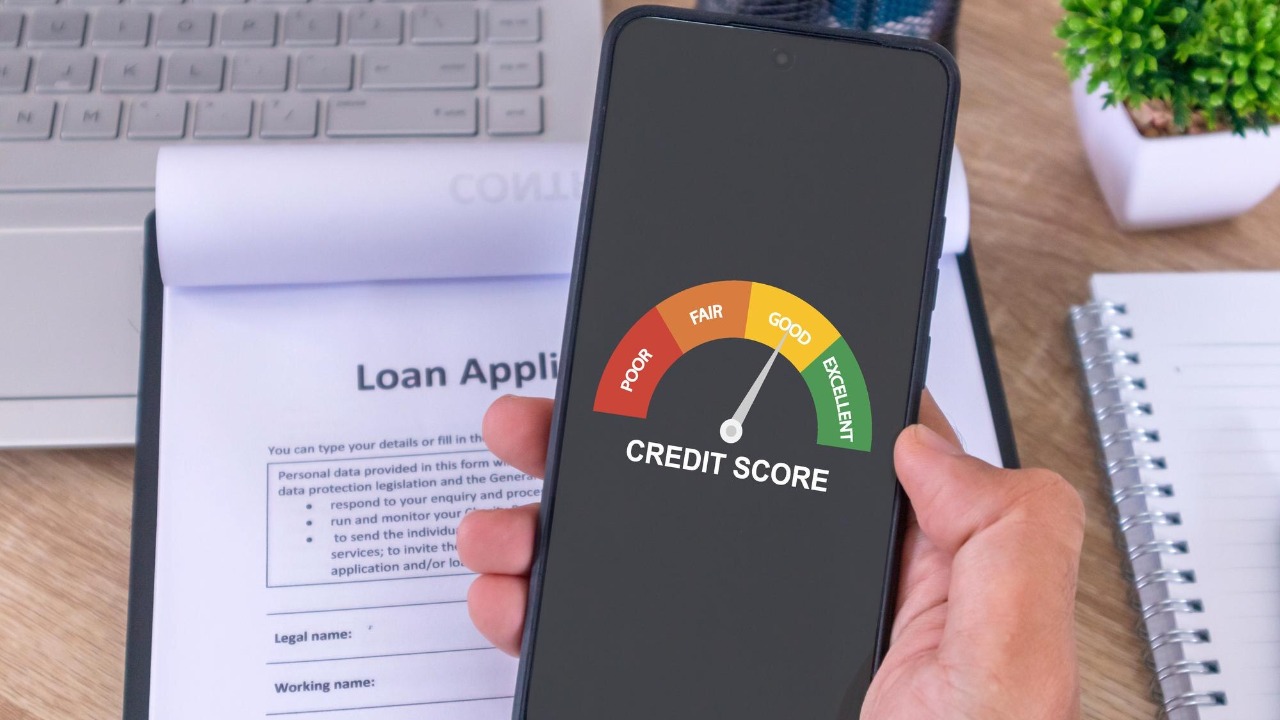
Credit scores can feel like a mystery, surrounded by myths that can mislead even the most financially savvy among us. Whether you’re applying for a loan or just curious about how credit scores work, understanding the truth behind these myths can help you make more informed decisions. Let’s debunk some common misconceptions and set the record straight.
Myth: Checking Your Credit Score Lowers It

Many people avoid checking their credit score because they fear it will negatively impact their credit. However, this is a misunderstanding. When you check your own credit score, it’s considered a “soft inquiry,” which does not affect your score. In contrast, a “hard inquiry,” such as one made by a lender when you apply for a loan or credit card, can potentially lower your score slightly.
Regularly checking your credit can be beneficial as it helps you monitor your financial health and ensure that no fraudulent activities are affecting your score. To learn more, you can explore these 7 myths about credit score checks.
Myth: Closing Old Accounts Improves Your Score

It’s a common belief that closing old or unused credit accounts will improve your credit score. However, closing a credit account can actually hurt your score. The length of your credit history accounts for about 15% of your score, and older accounts help maintain a longer average credit history. Additionally, closing an account reduces your overall available credit, which can increase your credit utilization ratio—a factor that can negatively impact your score.
If you’re considering closing an account, think twice and evaluate how it might affect your credit utilization and history. For deeper insights, refer to this detailed exploration of credit score myths.
Myth: Carrying a Balance Boosts Your Creditworthiness

Some believe that keeping a balance on their credit cards will improve their credit score. In reality, carrying a balance doesn’t boost your score and can lead to unnecessary interest payments. Credit scoring models look at your credit utilization ratio, which is the percentage of your credit limit that you’re using. Ideally, you want to keep this ratio below 30%.
Paying off your balance in full each month is a more effective strategy for maintaining a healthy credit score. For more information, check out this article on credit score myths.
Myth: Income Directly Affects Your Credit Score

Your income is not a factor in calculating your credit score. While a higher income can make it easier to manage credit and pay bills on time, your score is primarily based on your credit history, utilization, length of credit history, types of credit, and recent inquiries.
It’s important to understand that while income helps you qualify for loans and credit cards, it does not have a direct impact on your credit score itself. More insights can be found in this blog on credit score myths.
Myth: Paying Off Collections Automatically Removes Them

Paying off a collection account is a positive step, but it doesn’t automatically remove the account from your credit report. The account will remain on your report for seven years from the date of the first missed payment, although its impact on your score will lessen over time.
Make sure to request a “pay for delete” agreement, where the collector agrees to remove the account from your report upon payment. This isn’t guaranteed, but it’s worth attempting for a cleaner credit report.
Myth: All Debts Are Equally Harmful to Your Score

Not all debts are created equal when it comes to their impact on your credit score. Credit scoring models differentiate between types of debt, such as installment loans (like car loans and mortgages) and revolving credit (such as credit cards). Generally, installment loans are viewed more favorably, as they involve regular, predictable payments.
Understanding the differences between these types of debt can help you manage your credit more effectively. Consider how your various debts are impacting your overall score and focus on maintaining a balanced credit profile.
Myth: You Only Have One Credit Score

In reality, you have multiple credit scores, as different credit bureaus and scoring models may calculate your score differently. The most commonly known scores are from FICO and VantageScore, and each has its own criteria and methods of calculation.
It’s not unusual for your scores to vary across different platforms. Regularly checking your scores from multiple sources can give you a more comprehensive view of your credit health. For a deeper dive into how these scores work, explore this

Cole Whitaker focuses on the fundamentals of money management, helping readers make smarter decisions around income, spending, saving, and long-term financial stability. His writing emphasizes clarity, discipline, and practical systems that work in real life. At The Daily Overview, Cole breaks down personal finance topics into straightforward guidance readers can apply immediately.
