Many dream of retiring earlier than the traditional age, but financial constraints often stand in the way. By strategically trimming five key costs, you can accelerate your path to retirement. This guide will walk you through specific areas where cutting expenses can make a significant impact on your retirement timeline.
Housing Costs

Housing often represents one of the largest expenses in a household budget. By downsizing or relocating to an area with a lower cost of living, you can significantly reduce your monthly expenses. For example, moving from a high-cost city like San Francisco to a more affordable area such as Portland, Oregon can save thousands of dollars annually. Not only does this reduce your mortgage or rent payments, but it can also decrease property taxes and insurance premiums.
Another effective strategy is refinancing your mortgage. If you locked in your mortgage at a higher interest rate, exploring refinancing options can potentially lower your monthly payments. This is particularly advantageous if interest rates have decreased since you first secured your mortgage. Additionally, investing in energy-efficient appliances and home improvements can lead to long-term savings. Simple changes, such as installing LED lighting or upgrading to a high-efficiency furnace, can cut utility bills significantly.
Transportation Expenses

Transportation is another major expense that can be trimmed to free up resources for retirement savings. Opting for a fuel-efficient vehicle, like the Toyota Prius or Honda Civic, can substantially reduce fuel costs and maintenance expenses. These vehicles not only consume less gas, but they are also known for their reliability, which can reduce the likelihood of costly repairs.
Furthermore, utilizing public transportation or carpooling can reduce daily commuting expenses. Many urban areas offer comprehensive public transit systems that can save you the hassle and cost of driving. Additionally, regular vehicle maintenance is crucial to prevent expensive repairs. By staying on top of oil changes, tire rotations, and other routine maintenance, you can extend the life of your vehicle and avoid unexpected repair bills.
Food and Dining Out

Food is a necessity, but how you manage your grocery shopping and dining habits can greatly affect your budget. Meal planning and cooking at home are effective ways to save money. By planning meals in advance, buying in bulk, and using seasonal produce, you can cut down on unnecessary food expenses. Websites like Allrecipes offer great meal planning tips and recipes.
Smart grocery shopping is another key component. Use coupons, buy generic brands, and take advantage of sales to reduce grocery bills. Apps like Ibotta and Honey can help you find deals and cashback offers. When it comes to dining out, limit restaurant visits to special occasions. If you do eat out, look for restaurants with affordable menu options or special deals, such as happy hour discounts or early bird specials.
Entertainment and Leisure

Entertainment doesn’t have to break the bank. Exploring free or low-cost activities can provide ample enjoyment without a hefty price tag. Many communities offer free events, such as concerts, art exhibitions, or outdoor movie nights. Local parks and nature reserves provide opportunities for hiking or picnicking, which are both enjoyable and cost-effective.
It’s also wise to review and cancel unused subscriptions. Streaming services, gym memberships, and magazines can quietly chip away at your finances if they’re not used regularly. Embracing do-it-yourself hobbies can also be a rewarding and affordable way to spend your time. Whether it’s gardening, crafting, or taking on home improvement projects, these activities can be both fulfilling and economical.
Insurance and Medical Costs
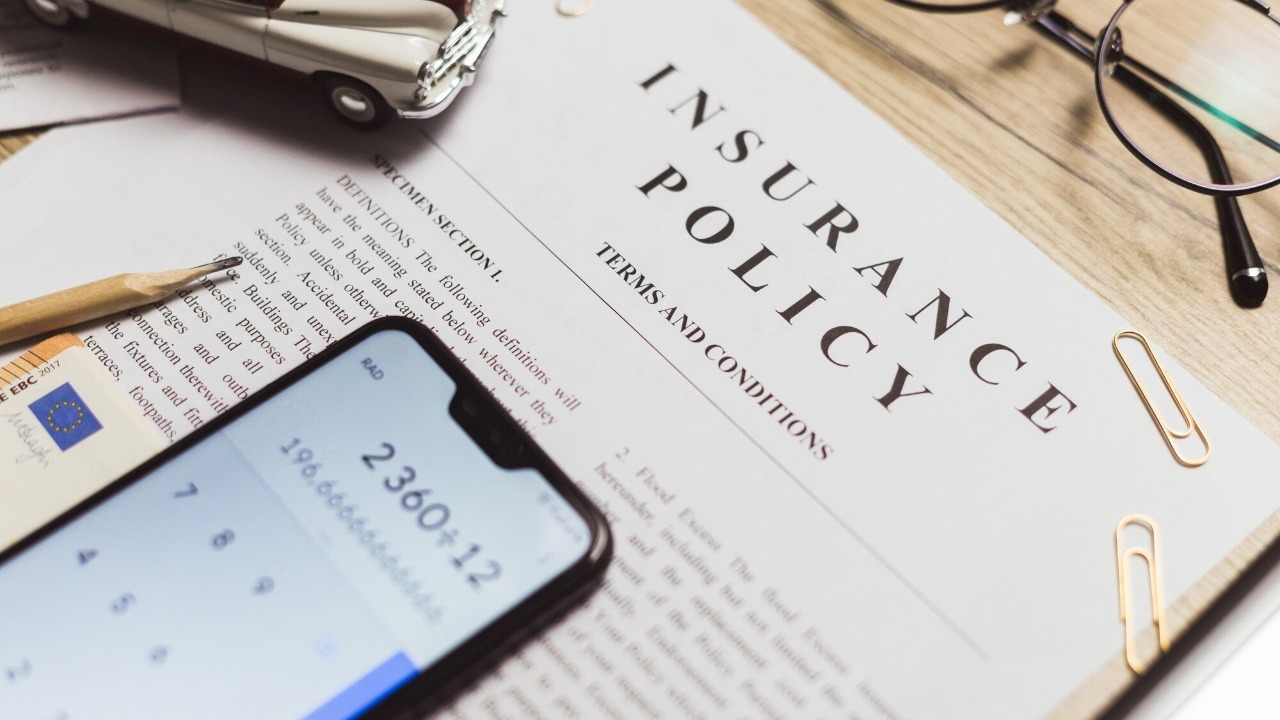
Insurance and medical costs are often unavoidable, but there are strategies to manage them effectively. Regularly shopping for better insurance rates can ensure you’re getting the best deal on health, auto, and home insurance. Comparing providers and switching when necessary can lead to significant savings. Websites like Policygenius can help you compare rates easily.
Preventive health measures are also crucial for reducing future medical expenses. By maintaining a healthy lifestyle through diet and exercise, you can lower your risk of chronic illnesses and potentially reduce insurance premiums. Additionally, utilizing flexible spending accounts (FSAs) and health savings accounts (HSAs) allows you to pay for medical expenses with pre-tax dollars, effectively lowering your overall healthcare costs.
By focusing on these five key areas—housing, transportation, food, entertainment, and insurance—you can create a more efficient budget that accelerates your path to retirement. Each small change can add up to significant savings over time, allowing you to enjoy the retirement you’ve always dreamed of.