
Gen Z is redefining the traditional hustle culture by adopting innovative strategies that prioritize efficiency and well-being. Instead of adhering to the “hard work equals success” mantra, this generation leverages technology and creativity to maximize productivity. The following sections explore the various hustle hacks that enable Gen Z to work smarter, not harder.
Leveraging Technology for Efficiency
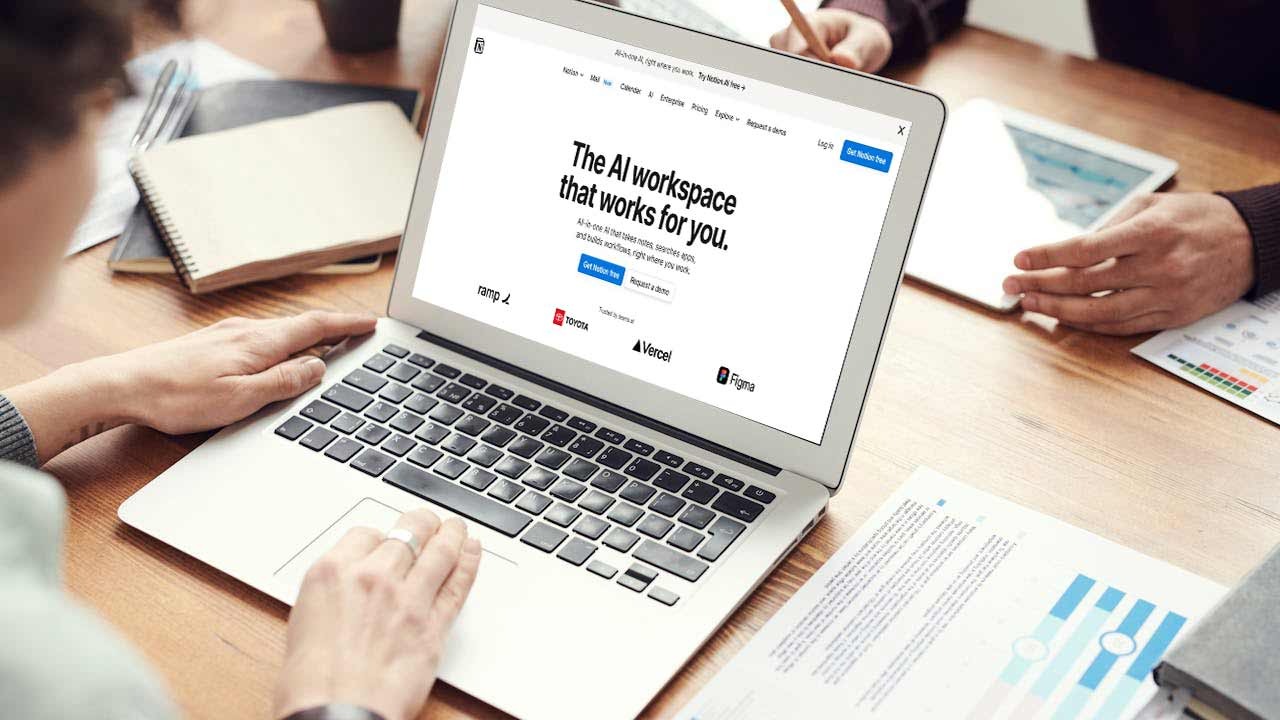
Gen Z is at the forefront of utilizing AI tools to streamline work processes. Whether it’s using AI-driven software to automate repetitive tasks or employing machine learning algorithms to optimize workflows, these digital natives are making technology work for them. By delegating mundane tasks to AI, Gen Z can focus more on creative and strategic initiatives, fostering innovation in their work.
Beyond AI, digital organization apps like Notion and Trello have become indispensable tools for managing projects and personal tasks. Notion, for example, offers a customizable platform where users can create databases, track project progress, and store information all in one place. Trello, with its intuitive Kanban-style boards, allows for visual task management, making it easier for users to prioritize tasks and meet deadlines. The integration of these apps in daily work routines is a testament to Gen Z’s commitment to efficiency and organization.
The shift towards remote work has also been a boon for Gen Z, who embrace the advantages of flexible work environments. Working remotely not only cuts down on commute time but also allows for a better balance between professional responsibilities and personal life. This flexibility means Gen Z can work when they are most productive, whether that’s early in the morning or late at night, thus optimizing their workflow without the constraints of a traditional 9-to-5 schedule.
Prioritizing Mental Health

In the fast-paced world of work, Gen Z places a strong emphasis on setting boundaries to maintain a healthy work-life balance. Unlike previous generations who often equated long hours with dedication, Gen Z understands the importance of allocating time for personal interests and rest. By establishing clear boundaries between work and personal time, they can recharge and avoid burnout, ultimately leading to increased productivity.
Mental health is another priority for Gen Z, who have been instrumental in breaking the stigma around mental wellness in professional settings. Many young professionals are incorporating mindfulness practices, such as meditation and yoga, into their daily routines to alleviate stress and enhance focus. This cultural shift towards promoting mental wellness at work is a reflection of Gen Z’s holistic approach to success, where personal growth and fulfillment take precedence over purely monetary achievements.
Furthermore, Gen Z is redefining what it means to be successful. Instead of measuring success by financial gain alone, this generation values personal development, meaningful work, and the pursuit of passions. By focusing on these intrinsic motivators, Gen Z is carving out a new definition of success that aligns more closely with their values and aspirations.
Embracing Creative Problem Solving

Gen Z’s approach to problem-solving is marked by a willingness to think outside the box. Rather than relying solely on traditional methods, they employ innovative thinking to tackle challenges. This often involves looking at problems from multiple perspectives and developing creative solutions that may not be immediately obvious. This mindset not only drives innovation but also fosters a work environment where experimentation is encouraged.
Collaboration plays a crucial role in Gen Z’s problem-solving strategy. By fostering a culture of teamwork and idea exchange, they are able to generate diverse solutions and learn from their peers. This collaborative approach is evident in the rise of coworking spaces and online platforms that facilitate networking and knowledge sharing among professionals from various fields.
Another key aspect of Gen Z’s strategy is their ability to view setbacks as learning opportunities rather than obstacles. This growth mindset allows them to adapt and pivot strategies as needed, ensuring they remain resilient in the face of challenges. By embracing failure as a natural part of the learning process, Gen Z is better equipped to innovate and excel in their careers.
Adopting a Growth Mindset
Continuous learning is at the core of Gen Z’s professional development. With access to a wealth of information online, they are committed to lifelong learning through online courses, workshops, and webinars. Platforms like Coursera and LinkedIn Learning have made it easier than ever to acquire new skills and stay updated on industry trends. This dedication to learning ensures that Gen Z remains competitive and adaptable in a rapidly changing job market.
Mentorship is another valuable resource for Gen Z professionals. By building relationships with mentors who provide guidance and insights into industry trends, they can gain valuable knowledge and advice that can help them navigate their careers. Mentors not only offer support but also open doors to new opportunities and networks, enhancing Gen Z’s professional growth.
Finally, Gen Z’s embrace of adaptability is a testament to their resilience in the face of change. In a world where industries are constantly evolving, being open to change and willing to pivot strategies is crucial. This adaptability allows them to seize new opportunities and remain relevant in an ever-changing landscape.
Harnessing the Power of Networking
Networking has always been a key component of career success, and Gen Z is harnessing its power in innovative ways. By building online communities on platforms like LinkedIn and Twitter, they can connect with like-minded professionals and expand their networks beyond geographical boundaries. These online communities provide opportunities for knowledge sharing, collaboration, and support, fostering a sense of belonging and community.
Virtual events have also become popular among Gen Z professionals, who use these platforms to gain knowledge and meet industry leaders. Webinars, online conferences, and virtual meetups offer a convenient way to stay informed about industry trends and network with peers from around the world. These events provide valuable learning experiences and opportunities to make meaningful connections.
Personal branding is another powerful tool in Gen Z’s networking strategy. By creating a unique personal brand, they can stand out in a crowded job market and showcase their skills and expertise. Social media platforms like Instagram and TikTok are increasingly being used to build personal brands and engage with a wider audience. By leveraging personal branding, Gen Z is able to create a distinct professional identity that sets them apart from the competition.

Cole Whitaker focuses on the fundamentals of money management, helping readers make smarter decisions around income, spending, saving, and long-term financial stability. His writing emphasizes clarity, discipline, and practical systems that work in real life. At The Daily Overview, Cole breaks down personal finance topics into straightforward guidance readers can apply immediately.
