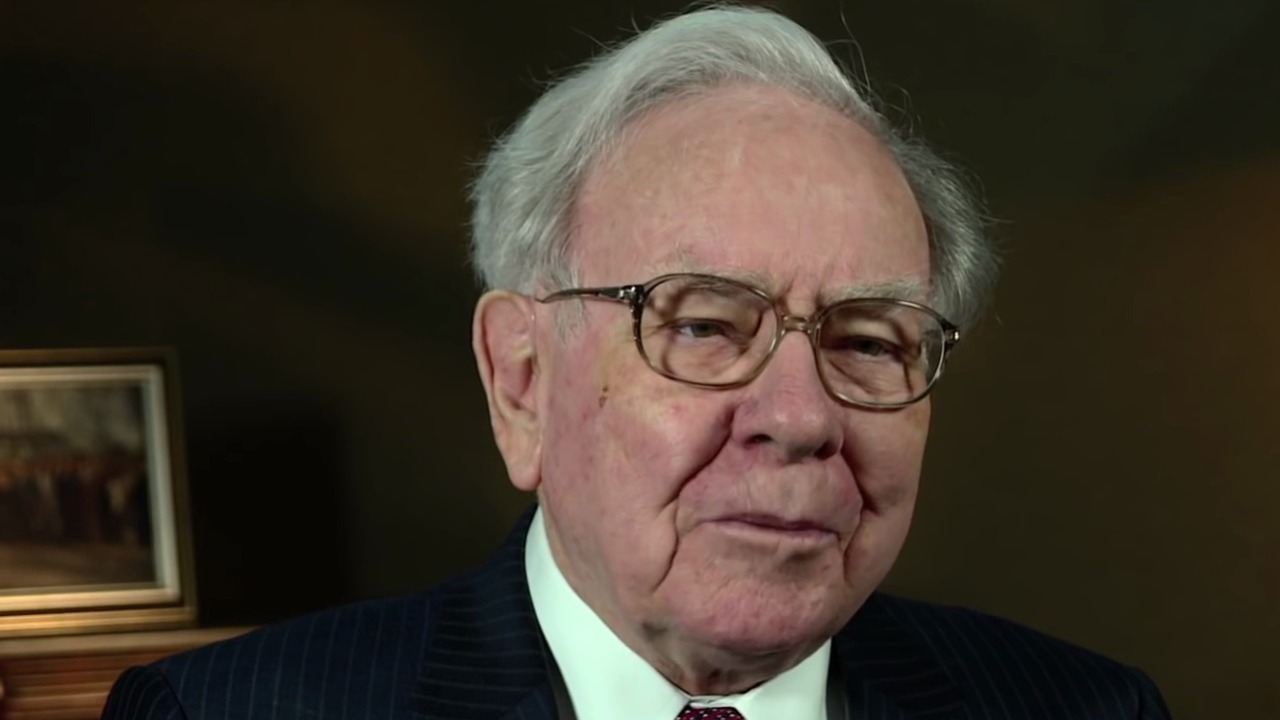
Warren Buffett, often referred to as the “Oracle of Omaha,” has long been a voice of wisdom in the world of investing. Recently, he has issued cautionary statements regarding stock market bubbles, urging investors to exercise prudence. These warnings are not mere speculation; they come from a seasoned expert whose insights have guided countless investors through turbulent times.
The Nature of Stock Market Bubbles
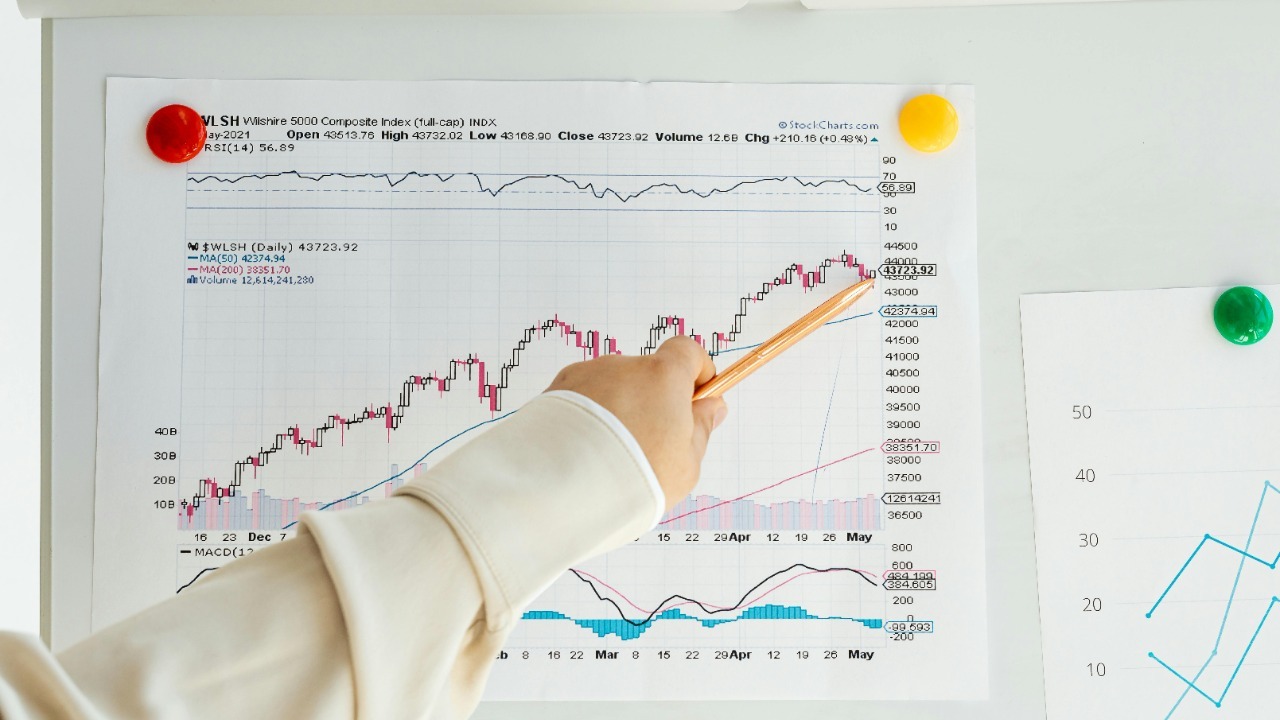
Stock market bubbles are characterized by significant and rapid increases in asset prices that are not supported by fundamentals. These bubbles often involve speculative investments where the expectation of future price increases drives demand, rather than intrinsic value. As prices soar, more investors jump in, hoping to capitalize on these gains. This cycle continues until a tipping point is reached, causing a sudden and often dramatic price correction.
Historically, stock market bubbles have followed recognizable patterns. The dot-com bubble of the late 1990s is a prime example. Fueled by excitement over the internet’s potential, investors poured money into technology stocks, driving prices to unsustainable levels. When the bubble burst, it led to significant financial losses and economic downturn. Similarly, the housing bubble of the mid-2000s, driven by easy credit and speculative buying, resulted in a global financial crisis when it collapsed. These examples illustrate the common outcomes of speculative booms and busts.
Buffett’s Historical Perspective on Bubbles

In 1999, Warren Buffett issued a warning about the tech bubble, emphasizing the irrationality of market participants during speculative booms. He cautioned that many investors were ignoring fundamental valuations, choosing instead to follow the herd mentality. His foresight proved accurate as the dot-com bubble burst soon after, causing widespread financial fallout.
Buffett’s historical insights on market bubbles provide valuable lessons. He has often pointed out that investor behavior is cyclical, driven by alternating waves of greed and fear. This understanding informs his current warnings, as he observes similar patterns of speculation and overvaluation in today’s markets. By learning from the past, investors can better navigate the present, recognizing that what goes up rapidly may come down just as quickly.
Current Market Indicators and Buffett’s Concerns
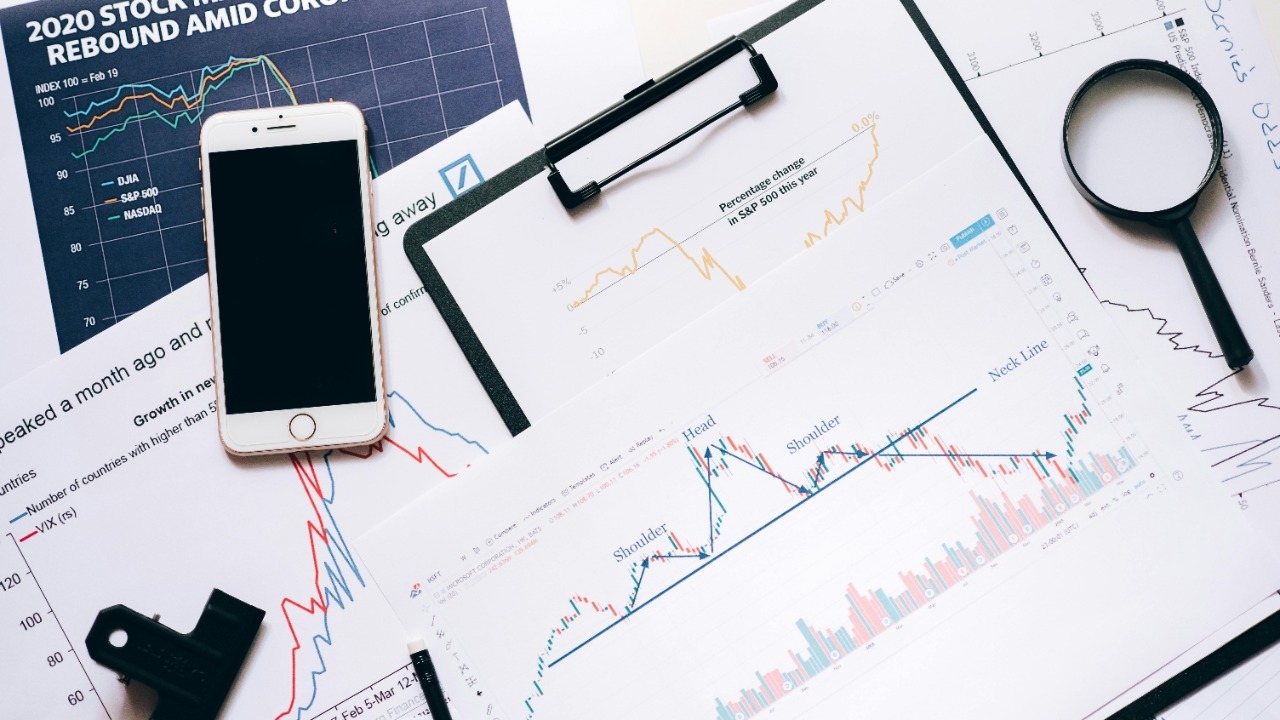
Warren Buffett uses several indicators to assess market overvaluation, one of which is the market cap to GDP ratio, commonly referred to as the “Buffett Indicator.” This metric compares the total value of stock markets to the overall economic output. When this ratio is significantly high, it suggests that markets may be overvalued. Currently, this indicator is at levels reminiscent of past bubbles, raising concerns about potential market corrections.
Buffett has also expressed concerns about the rise of speculative trading practices and increased leverage in the market. The proliferation of short-term trading platforms and the ease of access to margin accounts have led to higher levels of speculation. This, combined with the use of derivatives and other complex financial instruments, increases market volatility and the risk of a sudden downturn. These concerns are not unfounded, as evidenced by recent market events such as the GameStop trading frenzy, where speculation drove prices to extreme highs before a rapid fall.
Potential Impacts on Investors

To protect themselves from potential bubbles, investors can adopt risk management strategies inspired by Buffett’s investment philosophy. One key approach is diversification, which involves spreading investments across various asset classes to reduce risk. By not putting all their eggs in one basket, investors can mitigate the impact of a burst bubble in any single sector. Additionally, embracing value investing—prioritizing stocks with strong fundamentals and intrinsic value—can provide a buffer against speculative market swings.
Another important consideration is maintaining a long-term investment perspective. Buffett has often advocated for this approach, emphasizing that short-term market volatility should not deter investors from their financial goals. By focusing on the long-term potential of their investments, individuals can weather temporary market disruptions and avoid the pitfalls of buying into speculative bubbles. In times of market uncertainty, having a clear investment strategy and staying committed to it can make all the difference.
The Role of Economic Policies and External Factors
Current economic policies, such as low interest rates and stimulus packages, may also contribute to market bubbles. Low interest rates make borrowing cheaper, encouraging investment in riskier assets as investors seek higher returns. While these policies are designed to stimulate economic growth, they can inadvertently lead to asset inflation and speculative bubbles. According to academic literature, the balance between supporting economic recovery and preventing market overheating is delicate and complex.
Global economic trends, such as inflation and geopolitical tensions, further impact market stability. Rising inflation can erode purchasing power, leading to uncertainty in financial markets. Geopolitical tensions, such as trade disputes or conflicts, add another layer of risk. These factors can influence Buffett’s viewpoints on market stability, as they affect both investor sentiment and economic fundamentals. Understanding the interplay between these elements is crucial for investors aiming to navigate potential bubbles.
Warren Buffett’s latest warnings about stock market bubbles serve as a reminder of the importance of prudence and informed decision-making in investing. By understanding the nature of bubbles, learning from historical precedents, and considering current economic indicators, investors can better position themselves for long-term success. While market volatility is inevitable, a thoughtful and disciplined approach can help mitigate its impact, ensuring that investors remain focused on their financial goals amidst the noise of speculation.

Grant Mercer covers market dynamics, business trends, and the economic forces driving growth across industries. His analysis connects macro movements with real-world implications for investors, entrepreneurs, and professionals. Through his work at The Daily Overview, Grant helps readers understand how markets function and where opportunities may emerge.

