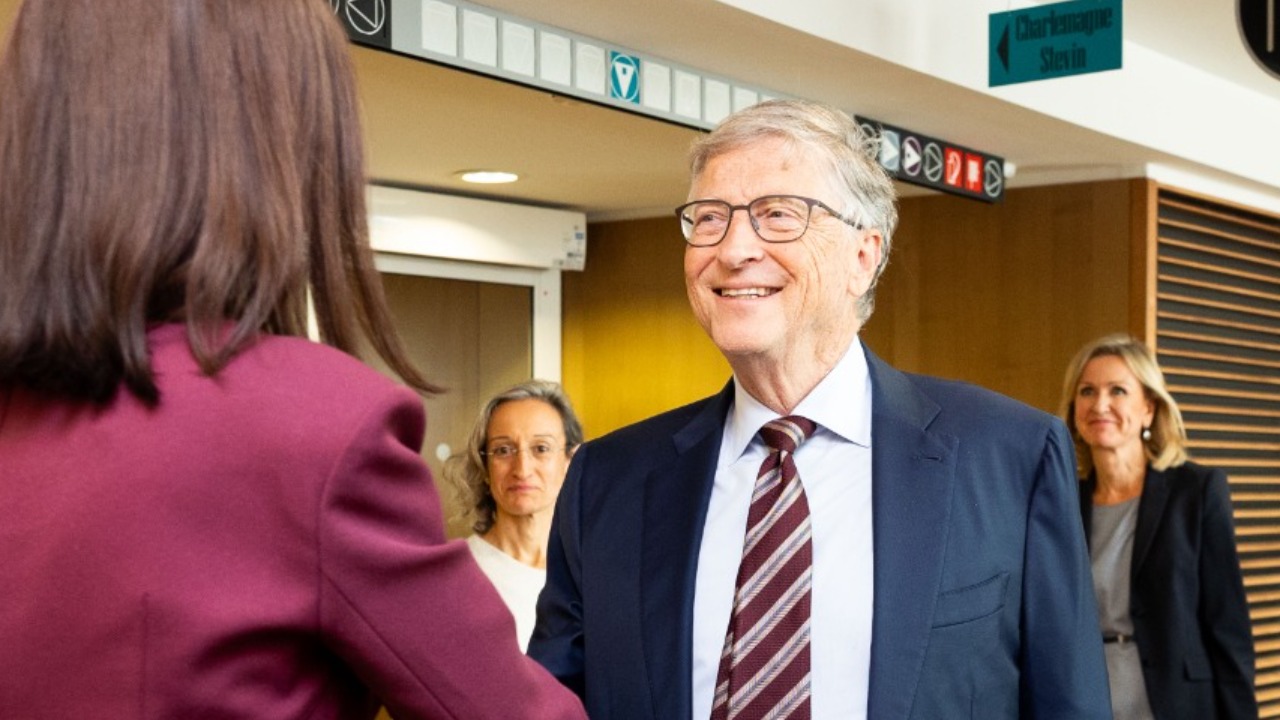
Bill Gates, one of the wealthiest individuals on the planet, has a fortune that seems almost inexhaustible. But what if he decided to give away $1 million every day? This article delves into the hypothetical timeline of how long it would take for Gates to exhaust his wealth, examining various factors that could influence this scenario.
Understanding Bill Gates’ Wealth

Bill Gates’ net worth is currently estimated to be around $116.6 billion. His wealth is not just a lump sum of cash but a complex portfolio of assets, including substantial investments in companies like Microsoft, where his journey to riches began. Gates also holds significant real estate properties and other financial assets that contribute to his overall net worth.
When compared to other billionaires globally, Gates ranks among the top, although he is no longer the richest person in the world. The wealth of billionaires is often subject to fluctuations based on market conditions, investment performance, and personal financial decisions. Understanding the composition and dynamics of Gates’ wealth is crucial to exploring the hypothetical scenario of him giving away $1 million daily.
Philanthropy and Wealth Distribution

Gates has been a prominent figure in philanthropy, primarily through the Bill & Melinda Gates Foundation. His charitable efforts have focused on global health, education, and poverty alleviation. These substantial donations have already made a dent in his net worth, although not enough to significantly threaten his financial standing.
Comparisons with other billionaire philanthropists reveal that while many of the wealthy elite engage in charity, Gates’ scale and impact are notably larger. The question of how such large-scale donations affect net worth brings us closer to understanding the potential timeline of Gates’ hypothetical daily giveaways.
Calculations: A Million a Day

To determine how long it would take for Gates to go broke, we start with a simple calculation: dividing his net worth by the daily giveaway amount. At $1 million per day, Gates could theoretically continue this for over 116,000 days, or approximately 318 years, assuming his wealth remains static and untouched by other factors.
This calculation, however, is based on several assumptions. It does not account for investment returns, taxation, or economic changes that could either extend or shorten this timeline. Understanding these variables is essential for a more accurate estimate.
Investment Returns and Wealth Growth

Investment returns play a crucial role in sustaining Gates’ fortune. Historically, his investments have yielded significant returns, contributing to the growth of his wealth. These returns could potentially offset the depletion caused by daily giveaways, allowing Gates to sustain his fortune longer than the initial calculation suggests.
The historical growth rates of Gates’ investments indicate that even with substantial charitable contributions, his wealth could continue to grow. This possibility highlights the importance of considering investment performance in any analysis of wealth depletion scenarios.
Economic Factors and Inflation

Inflation is another factor that could influence the value of Gates’ wealth over time. As inflation rises, the real value of money decreases, which could impact how long his wealth lasts when giving away $1 million daily. Additionally, global economic factors such as recessions or market crashes could significantly affect billionaires’ fortunes.
In scenarios of economic downturns, the value of Gates’ investments and assets could decrease, potentially accelerating the timeline of wealth depletion. Conversely, periods of economic growth and stability could have the opposite effect, extending the time Gates could sustain daily giveaways.
Legal and Tax Implications

Giving away $1 million daily would have significant tax considerations. Depending on the legal structures and vehicles used for wealth distribution, such as trusts or charitable foundations, taxes could either increase or decrease the net amount donated each day.
The legal framework and taxation policies in place could alter the timeline for Gates going broke. Understanding these implications is critical for a comprehensive analysis of the hypothetical scenario.
Social and Moral Considerations

The societal impact of such massive wealth redistribution is profound. It raises questions about the ethical implications of wealth concentration and the role of billionaires in influencing social and economic outcomes. Public perception of large-scale philanthropy can vary, with some viewing it as benevolent and others as a necessity due to systemic inequalities.
These considerations highlight the broader context within which Gates’ hypothetical daily giveaways would occur, influencing not only his personal financial legacy but also societal structures and norms.
Potential Influences from Other Billionaires

The actions of other billionaires could influence Gates’ decision-making. Historical examples of wealthy individuals’ financial decisions, such as Richard Branson or Elon Musk, provide insights into potential trends in philanthropy and wealth management.
There is also the potential for collaboration or competition among billionaires in philanthropy, which could lead to joint efforts or innovative approaches to wealth distribution. Such dynamics could influence the pace and scale of Gates’ hypothetical wealth depletion.
What If Scenarios

Various hypothetical scenarios could accelerate or delay Gates going broke. Unexpected expenses, such as legal battles or personal losses, could reduce his net worth more quickly than anticipated. Conversely, strategic investments or alternative uses of wealth could sustain Gates’ fortune longer.
Exploring these scenarios provides a deeper understanding of the complexities involved in predicting the timeline of wealth depletion for someone of Gates’ financial stature. Such analysis underscores the unpredictable nature of wealth management at this scale.
Legacy and Long-Term Impact

Gates’ legacy in philanthropy and technology is already significant. Massive wealth distribution could lead to long-term societal changes, influencing issues like poverty, education, and global health on a large scale. These impacts would likely extend beyond Gates’ lifetime and shape the approaches of future generations of billionaires and philanthropists.
The potential influence of Gates’ hypothetical daily giveaways on future philanthropic efforts and the broader societal landscape is a testament to the power and responsibility that come with great wealth. This legacy could serve as both a challenge and an inspiration for others in similar positions.

Cole Whitaker focuses on the fundamentals of money management, helping readers make smarter decisions around income, spending, saving, and long-term financial stability. His writing emphasizes clarity, discipline, and practical systems that work in real life. At The Daily Overview, Cole breaks down personal finance topics into straightforward guidance readers can apply immediately.

