
Imagine a world where all the wealth of billionaires is evenly distributed among the global population. This hypothetical scenario raises many questions about how our society and economy might change. Let’s explore seven key areas that could be impacted by such a massive redistribution of wealth.
Economic Redistribution

In a scenario where billionaire wealth is shared equally, economic redistribution would be profound. With wealth spread more evenly, we could see a reduction in income inequality. However, the impact on economic systems would depend heavily on existing structures and policies.
Some might argue it could promote a more equitable society, while others believe it could disrupt the current balance, leading to unforeseen complications in how businesses and economies operate.
Global Poverty Impact

Sharing billionaire wealth equally could significantly impact global poverty. By providing each individual with more financial resources, it might lift millions out of poverty. However, the actual amount each person would receive may not be enough to sustain long-term change.
Moreover, addressing the root causes of poverty requires more than just financial redistribution; it also involves systemic changes in education, health care, and infrastructure.
Inflation and Market Effects

An influx of wealth among the general populace could lead to inflationary pressures. With more disposable income, demand for goods and services might surge, potentially driving prices up. This could negate some of the benefits of wealth redistribution.
Additionally, market dynamics might shift as consumer behavior changes, impacting investment strategies and overall economic stability.
Changes in Wealth Dynamics
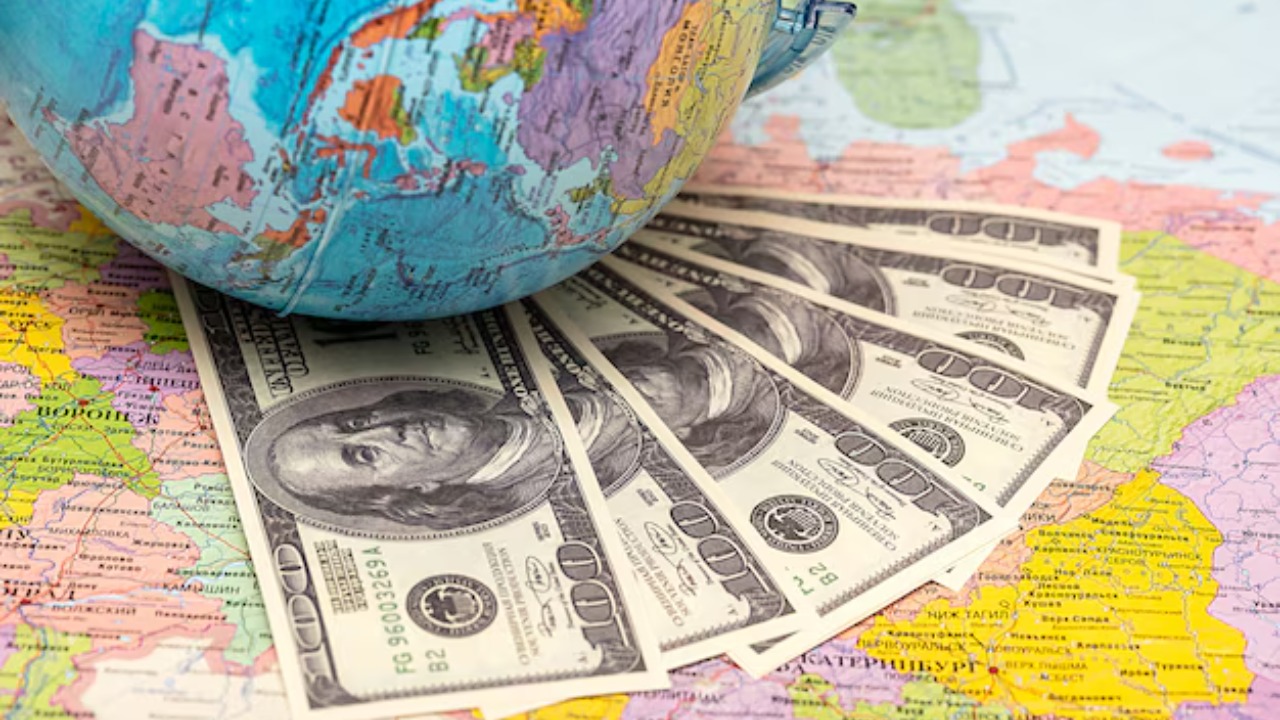
Redistributing billionaire wealth would alter global wealth dynamics. Wealth would no longer be concentrated among a small elite but spread across a larger population. This shift could democratize economic power, giving more people a voice in shaping economic policies.
However, the long-term effects on wealth generation and accumulation remain uncertain, as individual financial decisions would play a significant role in how wealth is maintained or grown.
Innovation and Investment Consequences

Billionaires often drive innovation through investments in technology and new ventures. Distributing their wealth could impact the availability of capital for such projects. While democratizing wealth might encourage diverse entrepreneurial initiatives, it could also limit large-scale investments needed for groundbreaking innovations.
This shift could reshape the landscape of research and development, potentially slowing down or altering the course of technological progress.
Social and Cultural Shifts

With wealth more evenly distributed, social and cultural dynamics could shift significantly. Economic barriers that currently divide individuals might diminish, leading to a more inclusive society. Educational and healthcare opportunities could become more accessible, reducing disparities.
However, new social tensions might arise as different groups navigate these changes and adapt to new societal norms. The cultural landscape could evolve as individuals redefine their roles and identities in a more egalitarian world.
Political and Policy Implications

The redistribution of wealth on such a scale would undoubtedly have political and policy implications. Governments might need to rethink taxation and welfare systems to accommodate the new economic landscape.
Policies could be designed to sustain equitable wealth distribution and ensure that the benefits reach all sectors of society. Additionally, political power structures might shift, as individuals and groups previously marginalized gain a more substantial voice in shaping national and global policies.

Cole Whitaker focuses on the fundamentals of money management, helping readers make smarter decisions around income, spending, saving, and long-term financial stability. His writing emphasizes clarity, discipline, and practical systems that work in real life. At The Daily Overview, Cole breaks down personal finance topics into straightforward guidance readers can apply immediately.
