
The Walton family, heirs to the Walmart fortune, are among the wealthiest families in the world, with a combined net worth exceeding $330 billion. Imagine a scenario where the Waltons decide to distribute a significant portion of their wealth among Walmart’s vast employee base. Such an unprecedented move could have profound effects on the company’s workforce, the economy, and the very legacy of the Walton family.
The Walton Legacy and Its Financial Empire
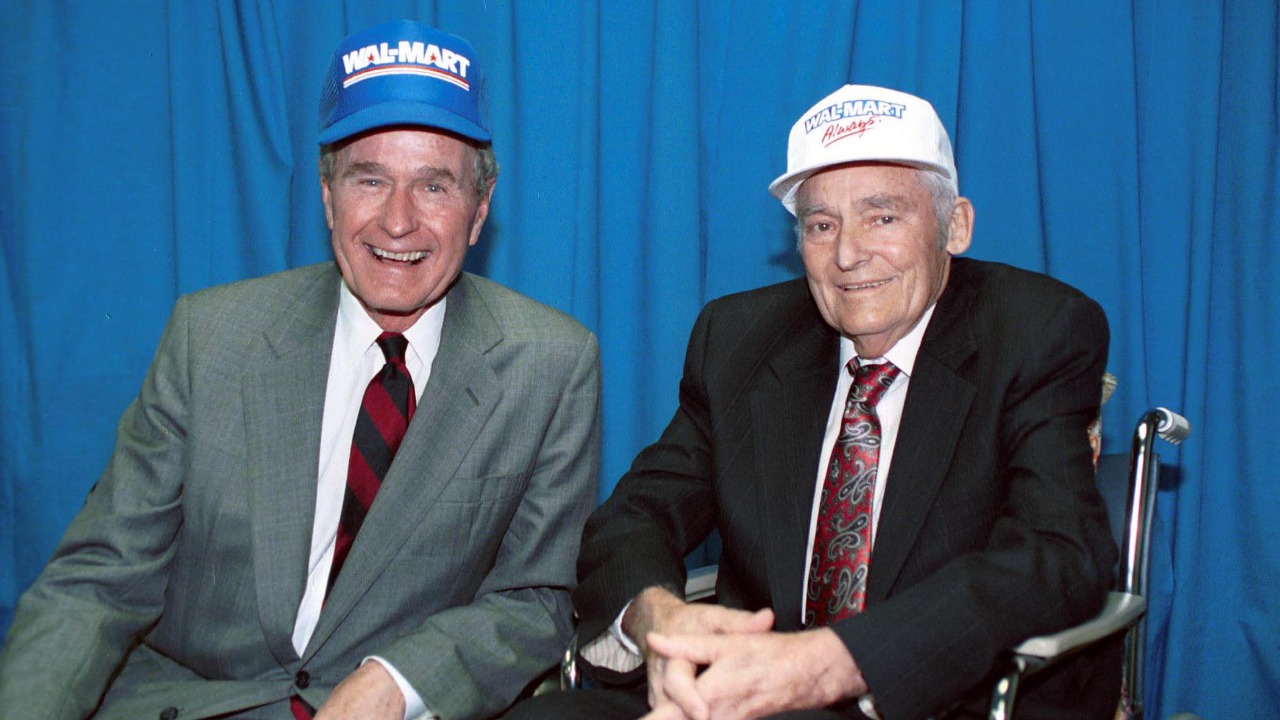
The Walton family’s rise to immense wealth is a fascinating narrative rooted in strategic business decisions made by Sam Walton in the 1950s. His innovative approach to retail, focusing on low prices and high volume, set the stage for Walmart’s explosive growth. The opening of the first Walmart store in 1962 marked the beginning of a retail revolution that would transform a family-run business into a global behemoth.
Today, the Waltons’ net worth is estimated to exceed $330 billion, placing them at the pinnacle of financial influence. Their wealth is not merely a testament to Walmart’s success but also an emblem of their strategic vision and business acumen. The Waltons have also engaged in various philanthropic endeavors, donating billions to causes such as education, environmental conservation, and community development. These efforts have played a significant role in shaping their public image, balancing their status as one of the wealthiest families with a commitment to giving back.
Walmart’s Workforce: A Snapshot

Walmart employs a diverse and expansive workforce, with over 2.3 million associates worldwide. In the United States alone, the company is one of the largest private employers. The demographics of this workforce reflect a broad spectrum of ages, ethnicities, and backgrounds, mirroring the diversity of the communities Walmart serves. Despite its size, the company faces ongoing criticism regarding its compensation and benefits packages.
The current wage structure at Walmart has been a subject of debate, with many employees voicing concerns over low wages and limited benefits. While the company has made strides in increasing minimum wages and enhancing benefits, employee satisfaction remains mixed. Common grievances include insufficient hours, wage disparities, and challenging working conditions. These issues have sparked discussions about the role of major corporations in ensuring fair labor practices and equitable pay.
Economic Implications of Wealth Redistribution
Redistributing billions of dollars to Walmart employees could have significant economic implications. Such a move could stimulate local economies by increasing consumer spending, as employees with more disposable income are likely to invest in goods and services within their communities. This influx of capital could, in turn, drive economic growth and job creation, fostering a more vibrant and resilient economic landscape.
Additionally, a wealth redistribution of this magnitude could contribute to narrowing the wage gap and enhancing social mobility. By providing employees with a financial boost, the move could help reduce income inequality and offer greater opportunities for upward mobility. However, critics might argue about the sustainability of such wealth redistribution and its potential impact on Walmart’s business model and profitability.
Impact on Walmart’s Corporate Culture and Operations

A significant financial boost for Walmart employees could lead to transformative changes in corporate culture and operations. With increased financial security, employee morale and motivation are likely to soar, resulting in higher productivity and stronger loyalty to the company. Such a shift could enhance the overall workplace environment, creating a more engaged and committed workforce.
Operationally, this wealth redistribution could prompt Walmart to reevaluate its recruitment and retention strategies, potentially leading to more competitive compensation packages and innovative corporate policies. In the long term, these changes could solidify Walmart’s market position, providing a competitive edge and aligning its business strategies with a more socially responsible ethos. However, balancing these operational shifts with financial sustainability would remain a critical challenge for the company.
The Walton Family’s Legacy Reimagined

Redistributing a significant portion of their wealth could redefine the Walton family’s legacy, positioning them as pioneers of a new era in corporate responsibility. Such a move would likely shift public perception, portraying the family as champions of economic equity and social justice. This transformation could inspire other wealthy families and corporations to reconsider their roles in wealth distribution and community support.
Moreover, this initiative could set a new standard for philanthropy, blending traditional charitable efforts with direct economic interventions to address systemic inequalities. By embracing this innovative approach, the Waltons could catalyze a broader movement toward more equitable wealth sharing, influencing corporate ethics on a global scale. As the future of philanthropy unfolds, the ripple effects of such actions could usher in a new paradigm in corporate social responsibility, reshaping the landscape of wealth distribution and community engagement.

Cole Whitaker focuses on the fundamentals of money management, helping readers make smarter decisions around income, spending, saving, and long-term financial stability. His writing emphasizes clarity, discipline, and practical systems that work in real life. At The Daily Overview, Cole breaks down personal finance topics into straightforward guidance readers can apply immediately.
