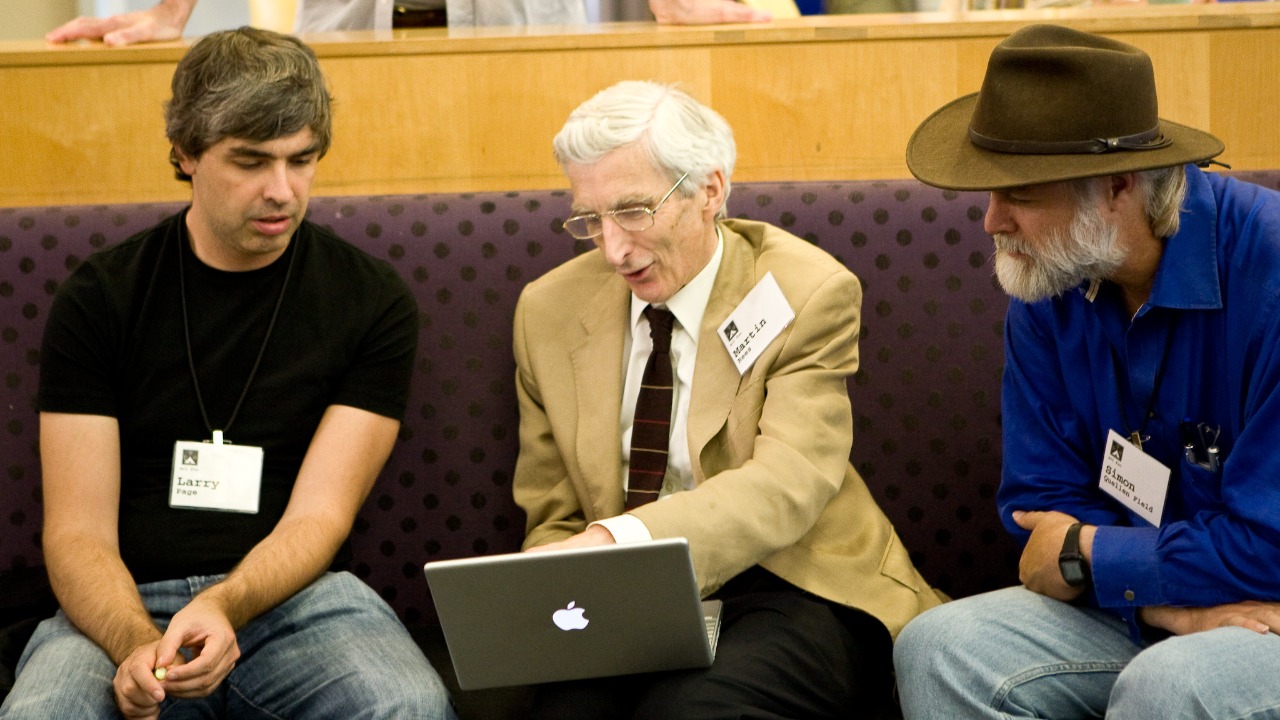
Imagine a world where billionaires decided to give away half of their wealth. This thought experiment opens up possibilities for transformative change in global economies, social systems, and philanthropy. Exploring the potential impacts and challenges of such a monumental shift in wealth distribution could reveal pathways to a more equitable society.
Economic Ripple Effects

The redistribution of wealth from billionaires could dramatically alter the landscape of income inequality. By allocating half of their wealth to broader economic initiatives, the vast chasm between the ultra-rich and the average citizen could narrow significantly. This redistribution might boost purchasing power for millions, leading to a more balanced and inclusive economic environment.
Market dynamics would likely see substantial shifts. Investment patterns could change as new capital flows into different sectors, potentially spurring innovation and development in previously underfunded areas. Additionally, consumer spending could increase as more individuals gain disposable income, driving demand for goods and services and thus fueling economic growth. This infusion of capital might also stimulate economic growth in both developing and developed countries, as resources previously concentrated in the hands of a few are dispersed to a larger segment of the population.
Philanthropy Reimagined
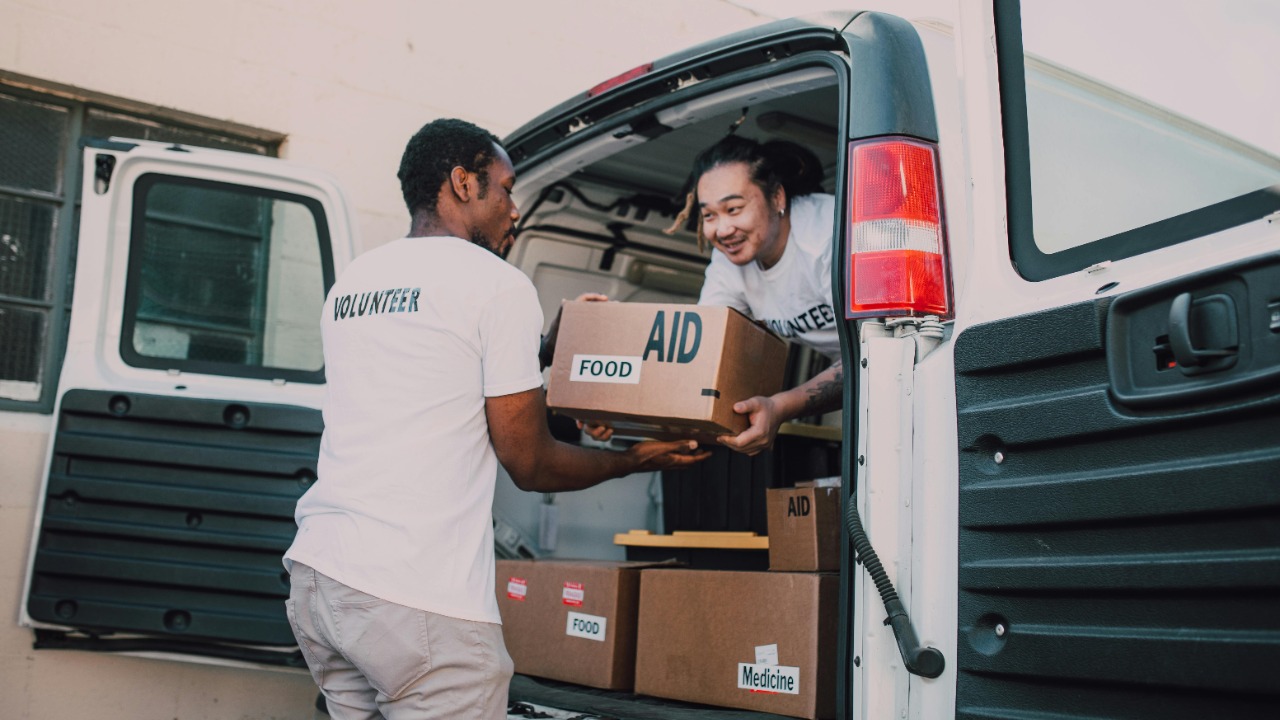
With increased funding for nonprofits, the philanthropic landscape could be revolutionized. Many organizations struggle with limited resources, but the influx of billionaire wealth could empower them to expand their reach and impact. This newfound financial strength would allow nonprofits and social enterprises to tackle issues with greater efficiency and effectiveness, addressing the root causes of societal challenges rather than just the symptoms.
Strategic philanthropy could emerge as a key driver of systemic change. By targeting specific areas such as health, education, and poverty, billionaires could contribute to long-term solutions that create sustainable improvements in society. However, this shift would not be without its challenges. The effective management and allocation of these newly available funds would require careful planning and oversight to ensure that resources are used wisely and achieve the intended outcomes.
Social Implications

The potential for poverty reduction is immense. By redistributing wealth, millions could see an improved quality of life, with access to better healthcare, education, and housing. Such changes could significantly reduce poverty levels, creating a more equitable society where opportunities are not limited by socioeconomic status.
Social mobility could also be positively impacted, as increased access to education and resources provides individuals with the tools they need to succeed. This shift could lead to more diverse and representative leadership across various sectors, as more people from different backgrounds gain the skills and opportunities necessary to rise to influential positions. Moreover, the shift in wealth could alter existing power structures, challenging traditional notions of influence and authority in society.
Moral and Ethical Considerations
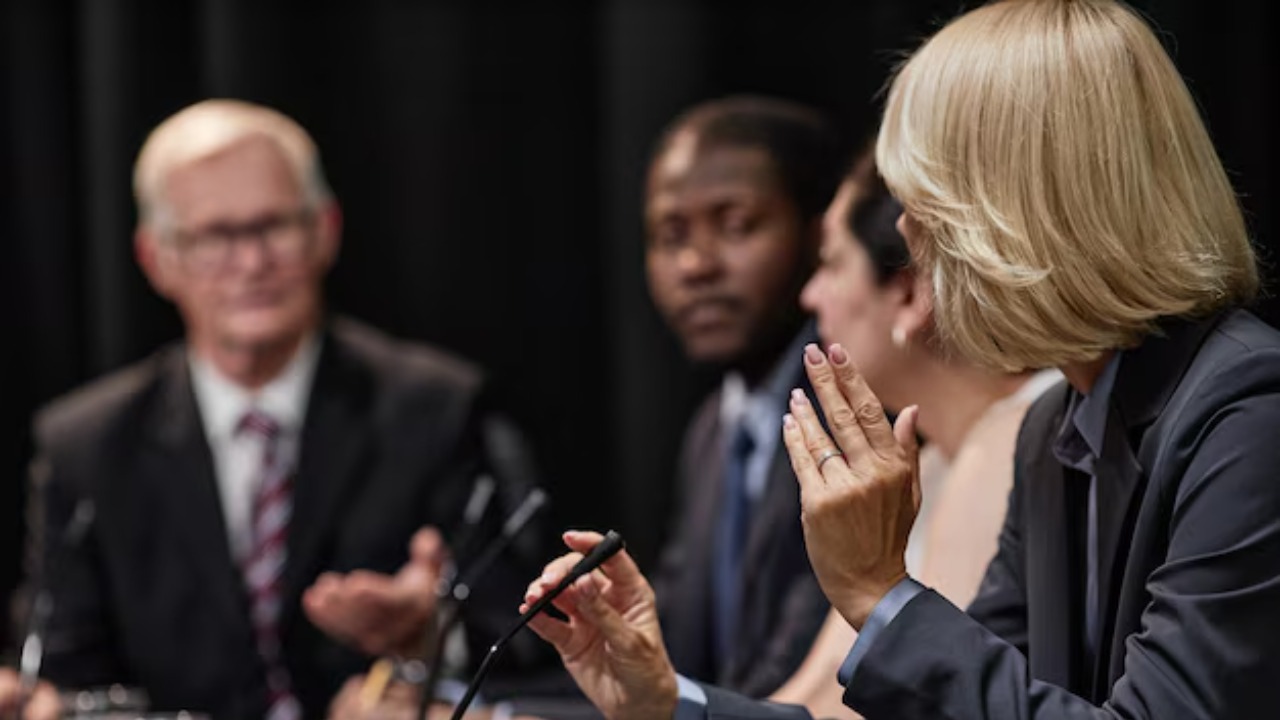
The question of whether billionaires have a moral obligation to give away their wealth is a complex one. While some argue that those with immense wealth have a duty to contribute to the greater good, others believe in the right of individuals to use their resources as they see fit. This debate touches on broader issues of moral obligations and societal expectations, raising questions about the responsibilities of the wealthy in addressing global challenges.
Public perception of wealth and success could shift dramatically. A move by billionaires to give away half of their wealth might redefine what it means to be successful, emphasizing impact and contribution over accumulation. This could have long-term ethical impacts, influencing future generations to prioritize social responsibility and community engagement over personal gain.
Challenges and Criticisms

Redistributing half of billionaires’ wealth would not be without its logistical challenges. Determining the most effective ways to allocate resources and ensuring that they reach those in need would require careful planning and coordination. Additionally, the potential for misuse or mismanagement of funds could pose significant hurdles, necessitating robust systems of accountability and transparency.
Criticisms and skepticism would likely arise from various stakeholders, including billionaires themselves. Some may question the feasibility and sustainability of such an approach, arguing that it could be a temporary fix rather than a long-term solution. Addressing these concerns would be crucial to gaining widespread support and ensuring the success of any wealth redistribution initiative.

Cole Whitaker focuses on the fundamentals of money management, helping readers make smarter decisions around income, spending, saving, and long-term financial stability. His writing emphasizes clarity, discipline, and practical systems that work in real life. At The Daily Overview, Cole breaks down personal finance topics into straightforward guidance readers can apply immediately.
